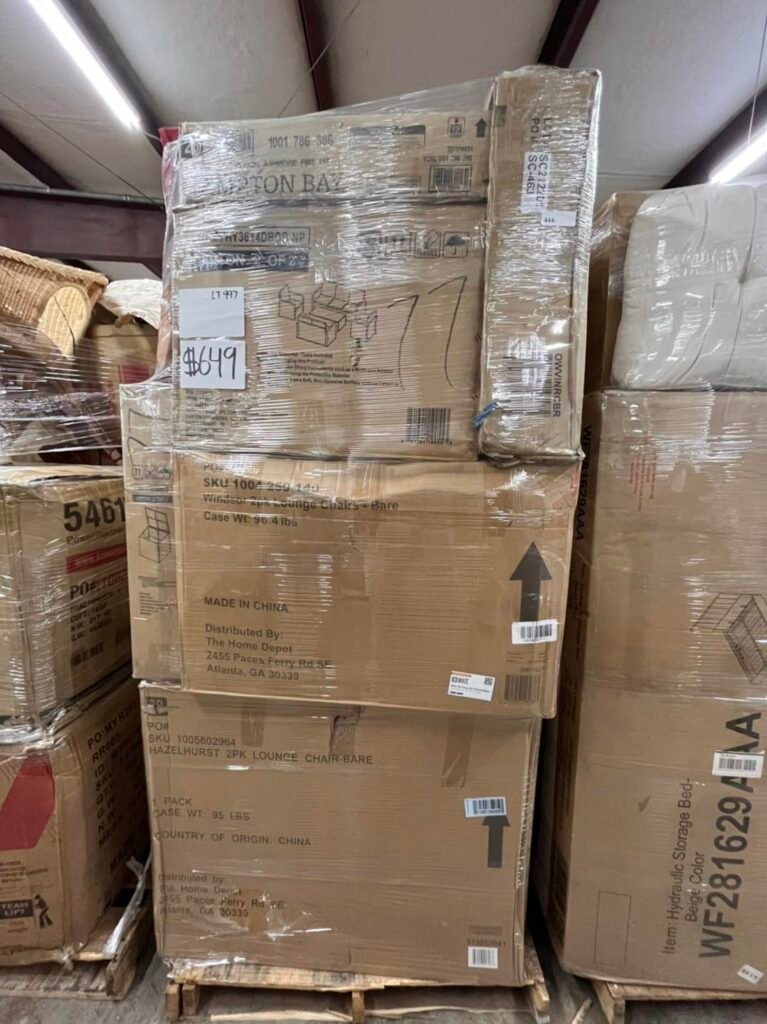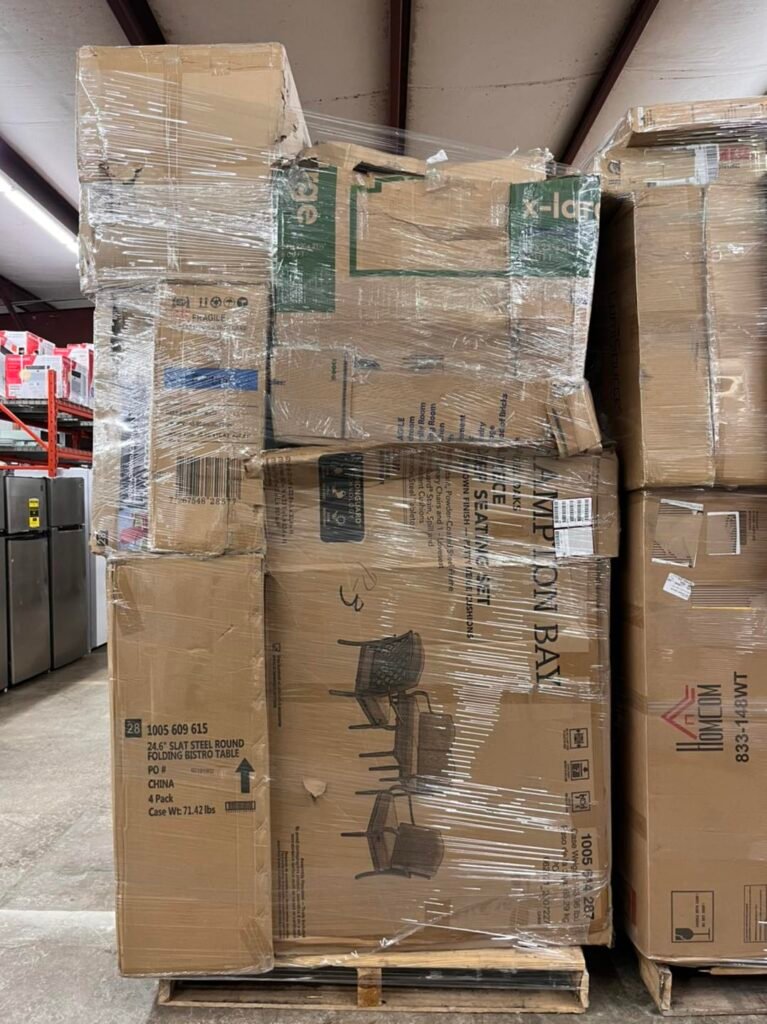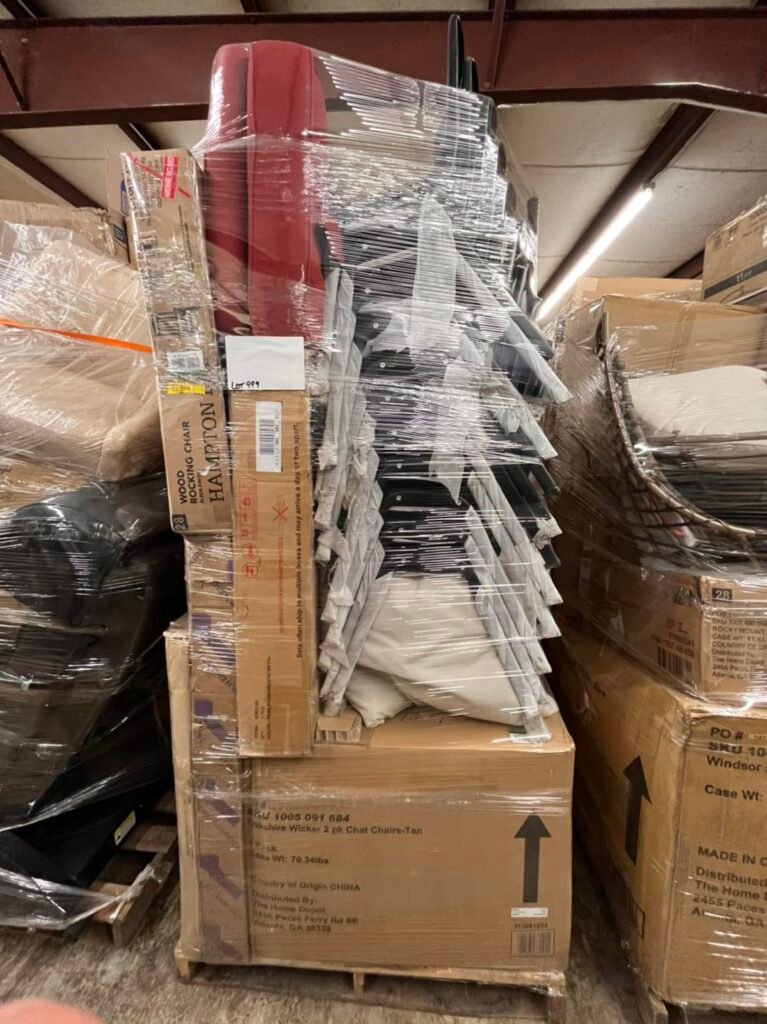
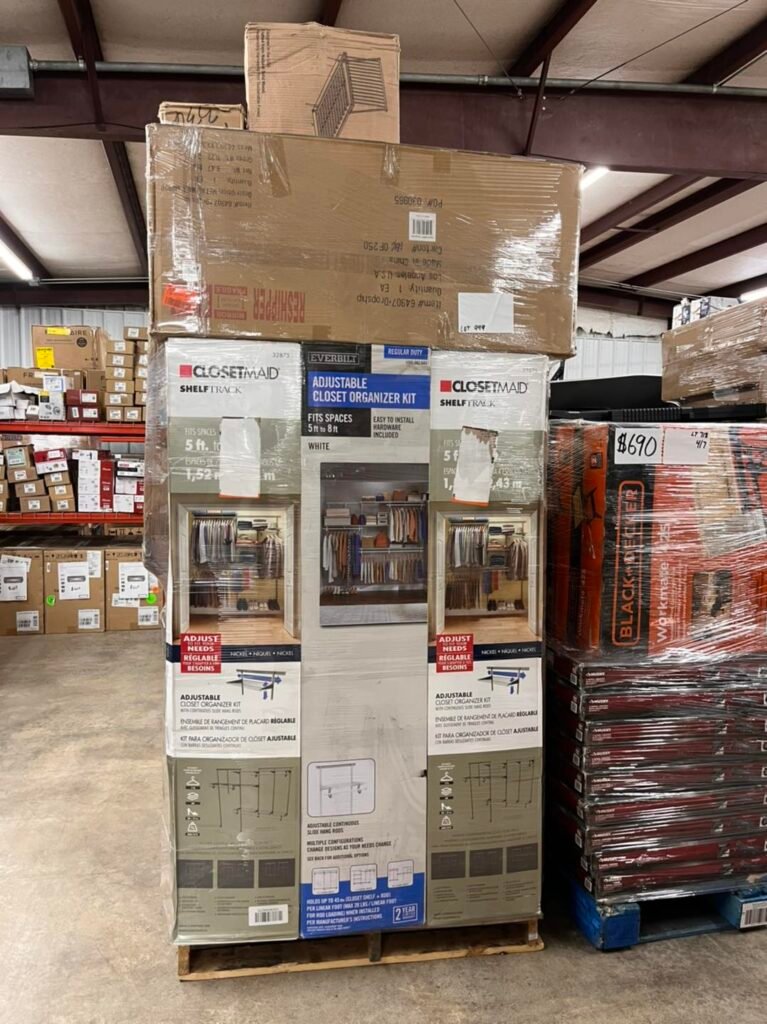
What Comes Inside Amazon Return Pallets?
Amazon return pallets have become one of the fastest-growing inventory sources for resellers, liquidation buyers, and small businesses. But one question comes up more than any other: what comes inside Amazon return pallets?
The short answer is simple: almost anything sold on Amazon can appear inside return pallets.
From electronics and home goods to clothing, toys, beauty products, and household essentials, pallet contents vary based on category, source warehouse, and load type.
Understanding what comes inside Amazon return pallets helps buyers reduce risk, estimate profits, and purchase smarter inventory.
This guide explains exactly what you can expect, what affects pallet quality, and how experienced buyers evaluate loads before purchasing.
Understanding Amazon Return Pallets
Amazon return pallets are bulk loads containing returned merchandise collected from customer returns, overstock inventory, shelf pulls, damaged packaging, and excess stock.
Instead of processing every item individually, large quantities are grouped together and sold through liquidation channels.
Typical pallets may contain:
- Customer returns
- Overstock inventory
- Box-damaged products
- Open-box items
- Shelf pulls
- Seasonal inventory
- Unsold merchandise
Not every pallet contains the same inventory.
A pallet focused on electronics looks very different from a mixed general merchandise pallet.
What Products Typically Come Inside Amazon Return Pallets?
The biggest reason buyers purchase pallets is variety.
Electronics
Electronics are among the most common items found.
Examples include:
- Headphones
- Chargers
- Bluetooth speakers
- Gaming accessories
- Smart home devices
- Small kitchen appliances
- Tablets
- Computer accessories
Electronics usually offer strong resale value but may also carry higher testing requirements.
Home and Kitchen Products
Many pallets contain home essentials because these products sell in large volumes.
Common items include:
- Cookware
- Storage containers
- Coffee makers
- Bedding
- Home decor
- Lighting accessories
- Small furniture pieces
Home goods are often easier for beginner resellers because demand remains consistent.
Clothing and Fashion Items
Fashion inventory frequently appears because clothing generates large return volumes.
Expect products such as:
- Shoes
- Jackets
- Activewear
- Children’s clothing
- Accessories
- Seasonal apparel
Some buyers specifically target apparel loads because profit margins can be attractive when sourced cheaply.
Toys and Baby Products
These categories become especially common during post-holiday liquidation periods.
Examples include:
- Educational toys
- Action figures
- Baby accessories
- Strollers
- Learning products
- Outdoor toys
Seasonality often affects pricing and availability.
Beauty and Personal Care Products
Beauty loads may include:
- Hair products
- Makeup accessories
- Skin care products
- Personal hygiene items
- Grooming devices
Careful inspection is important because some products may have expiration dates.
Household Consumables
Many buyers are surprised how many everyday products appear.
Examples:
- Paper towels
- Cleaning supplies
- Pet supplies
- Snacks
- Health products
- Storage products
These products often move quickly in local resale markets.
Amazon Pallet Contents Depend on Pallet Type
One reason buyers become disappointed is assuming all pallets contain high-value products.
In reality, amazon pallet contents vary dramatically depending on load category.
Mixed Merchandise Pallets
These contain random products across multiple categories.
Advantages:
- Greater variety
- Lower risk concentration
- Better for general resellers
Disadvantages:
- Harder sorting process
- Less predictable margins
Category-Specific Pallets
These focus on one niche.
Examples:
- Electronics pallets
- Clothing pallets
- Toy pallets
- Home goods pallets
These work best for experienced buyers who understand product values.
Manifested Pallets
Manifested pallets include inventory lists.
Benefits:
- More predictable purchasing
- Easier profit calculations
- Reduced surprises
However, manifests are not always perfectly accurate.
Mystery Pallets
These provide little or no inventory information.
Benefits:
- Lower prices
Risks:
- Higher uncertainty
- Greater quality variation
What Determines Amazon Returns Pallet Items?
Several factors influence the quality and product mix.
Return Reason
Customer returns happen for many reasons:
- Wrong size
- Changed mind
- Damaged packaging
- Defective products
- Shipping issues
A returned item does not automatically mean broken.
Warehouse Source
Different fulfillment centers process inventory differently.
Loads from one warehouse may consistently produce better results than others.
Experienced buyers often track which warehouses generate stronger margins.
Seasonality
Season impacts inventory heavily.
Examples:
- January brings holiday returns
- Summer increases outdoor inventory
- Back-to-school periods create school supply loads
Timing purchases correctly matters.
Grade Classification
Pallets may be labeled:
- New
- Like New
- Used
- Untested
- Salvage
Understanding grades reduces expensive mistakes.
Common Condition of Amazon Returns Pallet Items
Many new buyers assume pallets are full of destroyed products.
This is rarely true.
Typical condition breakdown:
- Brand new items
- Open-box merchandise
- Lightly used products
- Damaged packaging
- Missing accessories
- Non-working products
Most loads contain a mixture.
Testing, sorting, and organizing create profit opportunities.
How Experienced Buyers Evaluate Pallets
Professional pallet buyers rarely purchase based on excitement.
Instead, they follow systems.
Step 1: Review Manifest Data
Look for:
- Quantity counts
- Retail values
- Product categories
- Brand names
Step 2: Calculate Recovery Rates
Do not assume retail value equals profit.
Most experienced buyers estimate:
- 20–40% recovery for difficult loads
- 40–60% for average loads
- 60%+ for strong inventory
Step 3: Factor Processing Costs
Include:
- Labor
- Testing
- Storage
- Shipping
- Disposal costs
Ignoring these destroys margins.
Step 4: Diversify Purchases
Many successful buyers avoid relying on one category.
Mixed inventory spreads risk.
Real Example of What Buyers Often Find
A typical mixed pallet might contain:
- 15 small kitchen appliances
- 40 clothing items
- 20 toy products
- 35 household items
- 10 electronics accessories
- 25 miscellaneous products
Some products may sell immediately.
Others may require bundling or discounting.
This variation is normal.
Tips for Buying Better Amazon Return Pallets
Buy Smaller Before Scaling
Start with:
- Single pallets
- Small lots
- Local pickups
Avoid containers immediately.
Focus on Categories You Understand
Knowledge improves profit.
If you understand electronics pricing, buy electronics.
If you know clothing resale, buy apparel.
Inspect Whenever Possible
Visual inspection reduces surprises.
Look for:
- Water damage
- Broken pallets
- Excessive wear
- Missing boxes
Track Results
Keep records of:
- Purchase price
- Revenue
- Sell-through speed
- Defect rates
Data improves future decisions.
Are Amazon Return Pallets Worth Buying?
For many resellers, yes.
But profitability depends on:
- Buying price
- Product knowledge
- Processing ability
- Sales channels
- Inventory management
People who expect instant profits usually struggle.
Buyers who build systems often succeed.
Understanding what comes inside Amazon return pallets helps create realistic expectations and better purchasing decisions.
Conclusion
Knowing what comes inside Amazon return pallets gives buyers a major advantage before investing money.
Pallet contents can include electronics, clothing, household goods, toys, beauty products, consumables, and much more.
The key is understanding inventory types, evaluating risk correctly, and buying based on data rather than excitement.
Buyers who learn how pallet inventory works consistently make smarter purchasing decisions and improve long-term profitability. Amazon auction returns
What comes inside Amazon return pallets?
Amazon return pallets can include electronics, clothing, toys, household products, beauty items, kitchen products, and customer returns from many categories.
Are Amazon return pallets mostly damaged items?
No. Many products are new, open-box, or lightly used. However, some damaged products are common.
Can you make money buying Amazon return pallets?
Yes, many resellers profit from liquidation inventory, but success depends on buying correctly and managing costs.
How many items are usually inside an Amazon pallet?
This varies widely. Some pallets contain fewer than 100 large products while others contain over 1,000 small items.
Are manifested pallets better than mystery pallets?
Manifested pallets generally offer lower risk because buyers can estimate value before purchasing.
What are the most common amazon returns pallet items?
Common products include electronics accessories, clothing, toys, home goods, personal care products, and household essentials.