
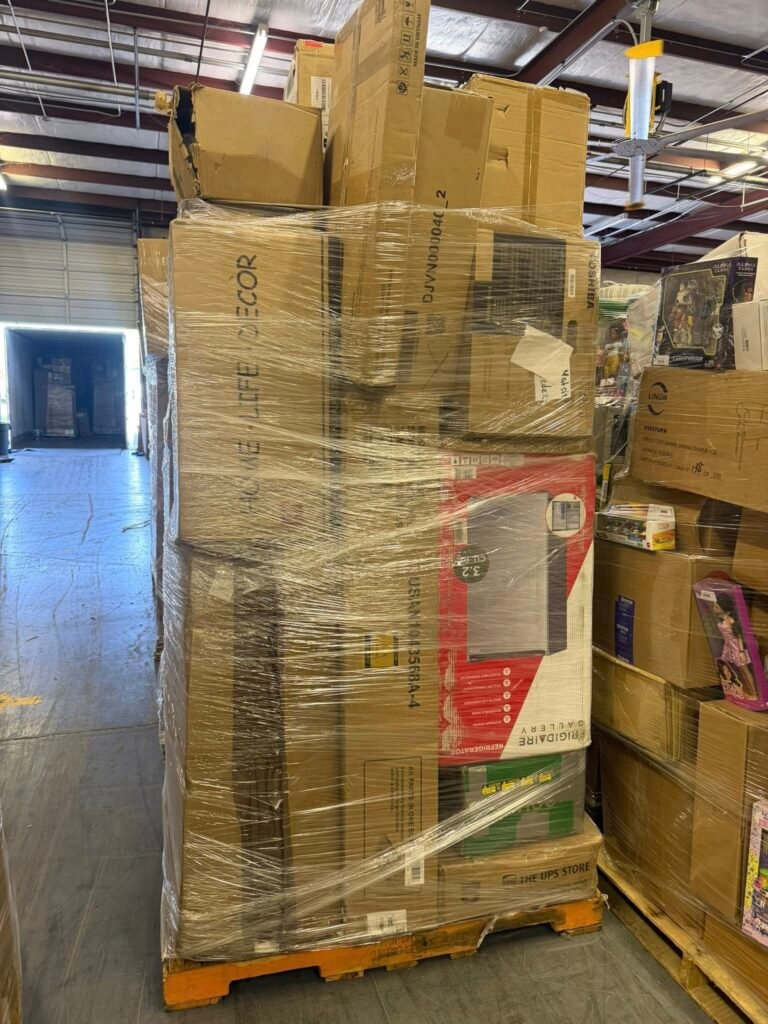
Are Amazon return pallets worth it in 2026? The short answer is: yes—but only if you understand the risks, costs, and resale strategy. Many beginners jump into pallet flipping expecting easy profits, but the reality is more nuanced.
With the growth of eCommerce, Amazon processes millions of returns every year. These returned items are bundled into liquidation pallets and sold at discounted prices. For resellers, this creates an opportunity to buy low and sell high—but success depends on smart buying and execution.
In this guide, you’ll get a real profit breakdown, risks to avoid, and expert tips to decide if this business is right for you.
What Are Amazon Return Pallets?
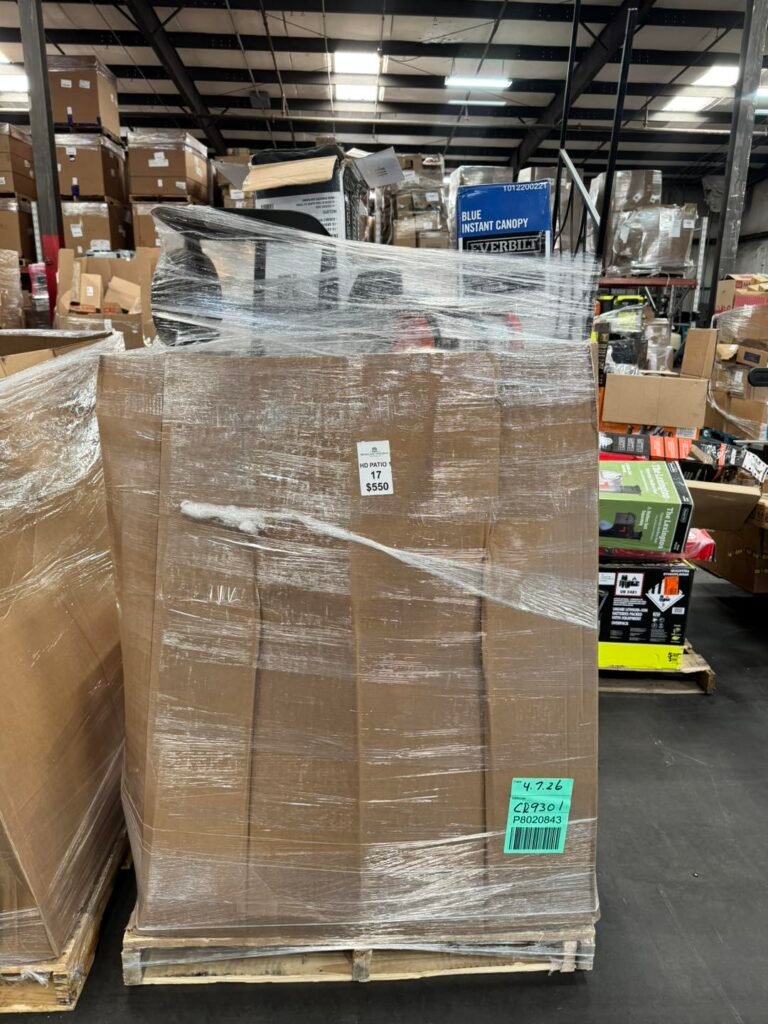
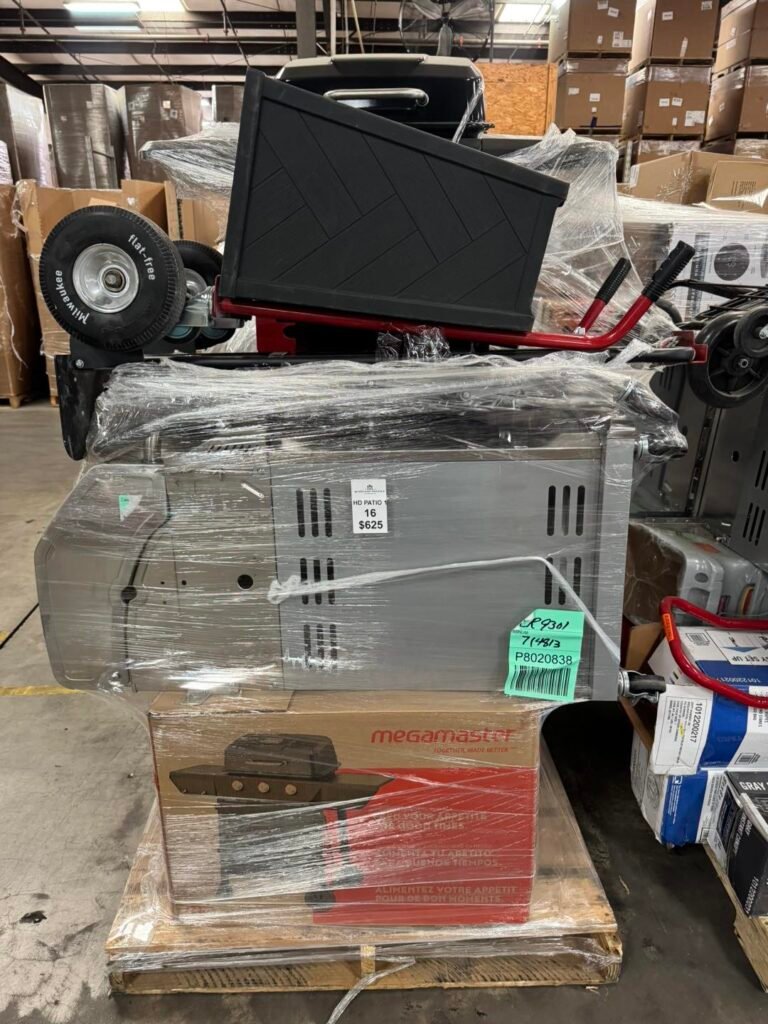
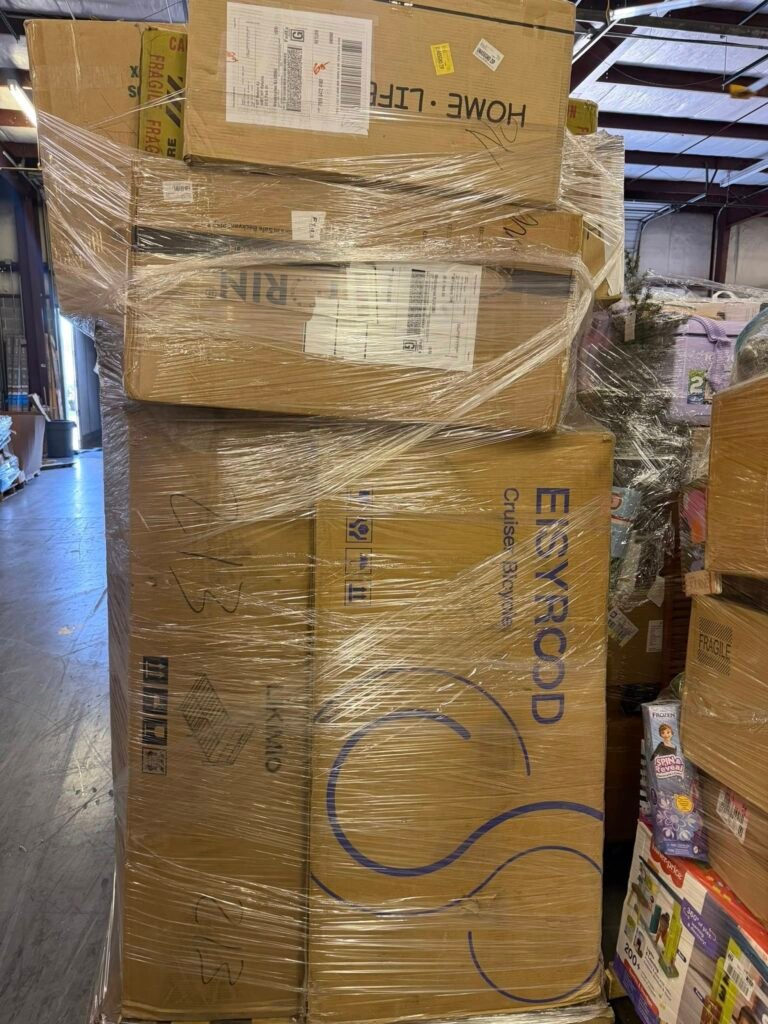
Amazon return pallets are bulk lots of returned, overstock, or unsold items sold through liquidation channels.
These pallets typically include:
- Electronics
- Home goods
- Clothing
- Tools
- Small appliances
Items range from:
- Brand new
- Slightly used
- Damaged or incomplete
This variation is what creates both profit potential and risk.
How Amazon Liquidation Pallets Work
Amazon sells returned inventory through liquidation platforms. Buyers can purchase:
- Individual pallets
- Bulk lots
- Full truckloads
Typical Pricing:
- Small pallets: $300 – $800
- Medium pallets: $800 – $2,500
- Truckloads: $10,000+
The goal is simple:
Buy below retail value → resell items individually for profit
Real Amazon Liquidation Pallets Profit Breakdown
Understanding Amazon liquidation pallets profit is key before investing.
Example Scenario:
Purchase price: $800 pallet
Estimated retail value: $3,000
Resale breakdown:
- 30% items sold at full value = $900
- 40% sold at discount = $800
- 20% low value = $200
- 10% unsellable = $0
Total revenue: $1,900
Profit: $1,100
Realistic Profit Margins:
- Beginners: 10% – 30%
- Intermediate sellers: 30% – 60%
- Experienced resellers: 60%+
The difference comes down to experience and sourcing quality pallets.
Is Pallet Flipping Profitable in 2026?
So, is pallet flipping profitable today?
Yes—but not guaranteed.
Why it still works:
- High demand for discounted products
- Growth of resale platforms (eBay, Facebook Marketplace)
- Increasing return rates in eCommerce
What determines profitability:
- Product category (electronics perform best)
- Condition of items
- Your resale strategy
Sellers who treat this like a real business see consistent profits.
Buying Amazon Return Pallets Risk (What You Must Know)
Before jumping in, understand the buying Amazon return pallets risk.
Major risks include:
1. Unknown inventory
Not all pallets come with accurate manifests.
2. Damaged goods
Some items may be unsellable.
3. Overpaying
Beginners often bid too high.
4. Hidden costs
- Shipping fees
- Storage
- Repairs
How to reduce risk:
- Start with small pallets
- Buy from trusted suppliers
- Avoid “too good to be true” deals
- Focus on categories you understand
Risk management is what separates profitable sellers from beginners.
Best Products to Resell for Maximum Profit
Certain categories consistently deliver better returns.
Top-performing items:
- Electronics (phones, accessories)
- Power tools
- Small appliances
- Branded clothing
- Home improvement items
Avoid:
- Fragile items
- Low-value bulk goods
- Unknown brands
Focus on items with high resale demand and easy shipping.
Step-by-Step Strategy to Make Money
Here’s a proven approach to succeed:
1. Start Small
Buy 1 pallet and test the market.
2. Inspect and Sort
Separate:
- High-value items
- Repairable items
- Unsellable items
3. Choose the Right Platforms
Sell on:
- eBay
- Facebook Marketplace
- Local resale apps
4. Price Strategically
- Undercut competitors slightly
- Bundle low-value items
5. Reinvest Profits
Scale gradually into larger pallets or truckloads.
Expert Insight (Real-World Perspective)
Experienced resellers don’t rely on luck—they rely on systems.
A common strategy used by professionals:
- Specialize in one niche (e.g., electronics)
- Build supplier relationships
- Track profit margins per pallet
Over time, this turns pallet flipping into a consistent income stream, not a gamble.
Are Amazon Return Pallets Worth It for Beginners?
Are Amazon return pallets worth it if you’re just starting?
Yes—if you:
- Start with a small budget
- Learn from each purchase
- Focus on high-demand items
No—if you:
- Expect instant profits
- Don’t research suppliers
- Ignore risks
This business rewards patience and strategy.
Pros and Cons
Pros:
- Low startup cost
- High profit potential
- Flexible business model
- Scalable
Cons:
- Risk of losses
- Inconsistent inventory
- Requires time and effort
Conclusion
So, are Amazon return pallets worth it in 2026?
Yes—when approached correctly. The opportunity is real, but success depends on understanding the market, managing risk, and applying a solid resale strategy.
For beginners, start small, learn fast, and focus on high-demand products. With consistency, pallet flipping can become a profitable and scalable business.
FAQ
1. Are Amazon return pallets worth it for beginners?
Yes, beginners can profit if they start small, research suppliers, and focus on high-demand items.
2. How much profit can you make from liquidation pallets?
Profits typically range from 10% to 60%, depending on experience and product quality.
3. What are the risks of buying Amazon return pallets?
Risks include damaged items, inaccurate manifests, and hidden costs like shipping and storage.
4. Is pallet flipping profitable in 2026?
Yes, pallet flipping remains profitable due to high demand for discounted goods and resale platforms.
5. Where can I buy Amazon return pallets?
You can buy them from liquidation marketplaces, wholesalers, and direct suppliers.
[NEXForms id=”1″]