
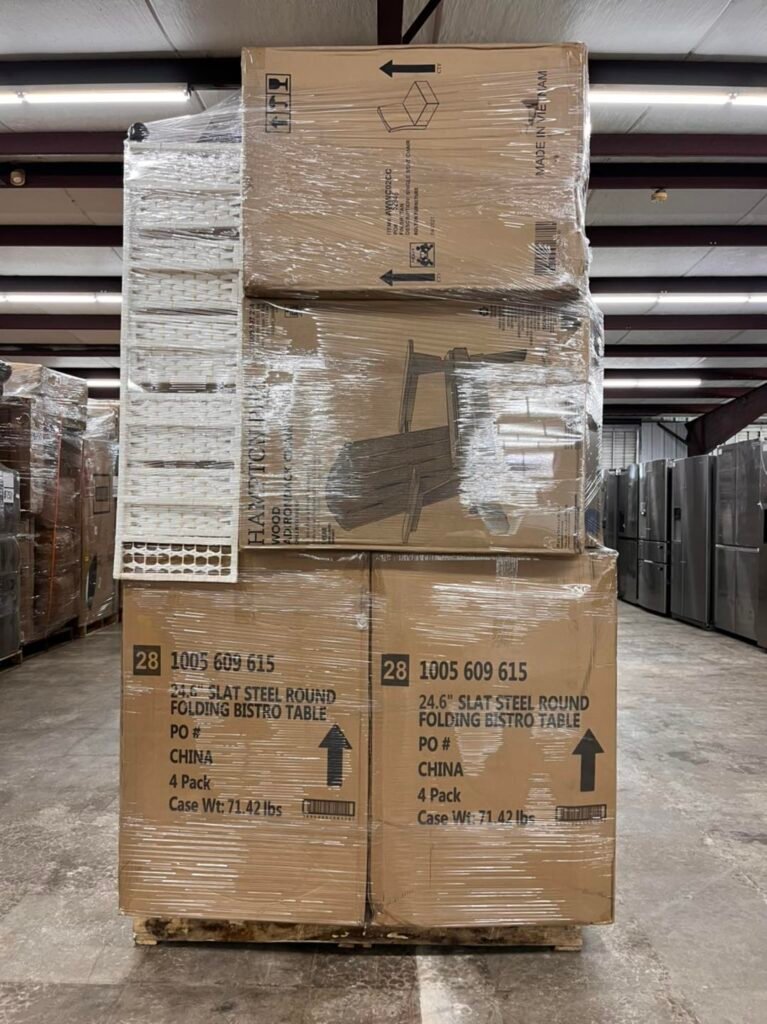
Amazon Auction Returns: Everything You Need to Know Before Buying
Amazon auction returns have become one of the fastest-growing opportunities for resellers, pallet buyers, ecommerce sellers, flea market vendors, and liquidation businesses looking to buy inventory at below-retail prices.
As online shopping continues to grow, millions of products are returned every year. Instead of placing all returned items back into Amazon’s inventory, large quantities are sold through Amazon return auctions and Amazon liquidation auctions to businesses and individual buyers.
For resellers, this creates an opportunity to purchase bulk inventory, pallets, and truckloads containing electronics, tools, home goods, clothing, toys, beauty products, and many other categories at heavily discounted prices.
However, many beginners enter the liquidation industry without understanding how Amazon auction returns actually work, where the inventory comes from, what risks are involved, and how to avoid losing money.
In this complete guide, we’ll explain everything you need to know about Amazon auction returns, including how Amazon return auctions work, what a B Stock Amazon pallet is, how liquidation auctions operate, and how buyers can maximize profits while reducing risk.
What Are Amazon Auction Returns?
Amazon auction returns are products that customers return after purchasing through Amazon. Instead of individually processing every returned item, many products are grouped together and sold in bulk through liquidation channels and auction marketplaces.
These products can include:
- Customer returns
- Overstock inventory
- Open-box products
- Shelf pulls
- Excess inventory
- Unsold merchandise
- Damaged packaging items
Inventory is usually sold by:
- Pallet
- Box lot
- Gaylord
- Truckload
Amazon return inventory can contain products from nearly every category including:
- Electronics
- Home & kitchen
- Tools & hardware
- Toys
- Clothing
- Shoes
- Health & beauty
- Baby products
- Amazon Food Truckload
This is why Amazon auction returns are popular among resellers and liquidation businesses looking for lower-cost inventory.
How Amazon Return Auctions Work
Amazon return auctions usually operate through liquidation marketplaces where pallets or truckloads are listed for bidding.
The process generally works like this:
1. Browse Available Inventory
Buyers browse liquidation marketplaces looking for available pallets or truckloads.
Listings may include:
- Product categories
- Estimated retail value
- Product condition
- Manifest details
- Shipping location
2. Review the Manifest
A manifest is a product list showing the items expected inside the pallet.
Manifested pallets usually include:
- Product names
- Quantities
- UPC numbers
- MSRP values
- Item conditions
Some Amazon liquidation auctions are unmanifested, meaning buyers purchase mixed inventory without knowing every product included.
3. Place Bids
Most Amazon return auctions use a bidding system.
Buyers compete against other bidders until the auction closes.
The highest bidder wins the inventory.
4. Arrange Shipping or Pickup
After winning the auction, buyers either:
- Arrange freight shipping
- Pick up locally
- Use marketplace shipping services
Shipping costs can significantly affect profits, especially for larger truckloads.
Amazon Return Auctions vs Amazon Liquidation Auctions
Many people think these terms mean the same thing, but there are important differences.
Amazon Return Auctions
These primarily contain:
- Customer-returned products
- Open-box merchandise
- Used inventory
The condition can vary widely.
Some products may look brand new, while others may require repairs or cleaning.
Amazon Liquidation Auctions
These may contain:
- Customer returns
- Overstock inventory
- Shelf pulls
- Excess inventory
- Seasonal clearance products
Amazon liquidation auctions usually provide a broader inventory mix compared to simple customer return auctions.
What Is a B Stock Amazon Pallet?
A B Stock Amazon pallet refers to liquidation inventory sold through B2B liquidation marketplaces that handle bulk inventory from major retailers.
These pallets may contain:
- Electronics
- Home goods
- Tools
- Apparel
- General merchandise
- Mixed inventory
A B Stock Amazon pallet is popular among:
- Amazon sellers
- eBay sellers
- Bin stores
- Flea market vendors
- Local resellers
- Liquidation warehouses
Because pallets are sold in bulk, buyers often receive inventory at a fraction of normal retail pricing.
Types of Amazon Auction Return Inventory
Amazon auction returns can vary greatly depending on the source and condition.
Electronics Pallets
These often include:
- Headphones
- Tablets
- Small electronics
- Smart home devices
- Gaming accessories
Electronics pallets can be profitable but also carry higher risk due to testing requirements.
Tool Pallets
Tool pallets remain one of the most popular categories in Amazon liquidation auctions.
These may include:
- Power tools
- Hand tools
- Tool accessories
- Hardware products
Many resellers focus heavily on tool pallets because tools often retain resale value.
Clothing & Apparel Pallets
These may contain:
- Brand-name clothing
- Shoes
- Accessories
- Seasonal apparel
Clothing pallets can perform well for online marketplaces and discount stores.
Mixed Merchandise Pallets
Mixed pallets combine products from many categories.
These are common in Amazon auction returns and may contain:
- Kitchen items
- Home décor
- Toys
- Beauty products
- Electronics
- Household products
Are Amazon Auction Returns Worth Buying?
For many resellers, yes.
However, profitability depends on:
- Buying price
- Shipping costs
- Product condition
- Manifest accuracy
- Product category
- Resale channels
Many successful liquidation businesses build strong profits using Amazon liquidation auctions, but beginners should understand the risks before investing heavily.
Biggest Advantages of Amazon Return Auctions
Lower Inventory Costs
Products are usually sold far below retail pricing.
This gives resellers room for profit margins.
Large Inventory Availability
Amazon processes enormous product volume daily, creating consistent liquidation inventory opportunities.
Multiple Product Categories
Buyers can choose from many categories depending on their niche and business model.
Opportunity to Scale
Many businesses start with one pallet and eventually grow into truckload purchases.
Risks of Buying Amazon Auction Returns
While there is profit potential, buyers should understand the possible risks.
Damaged Products
Some products may:
- Not function properly
- Have missing parts
- Show signs of heavy use
Missing Accessories
Returned products may arrive incomplete.
Examples include:
- Missing chargers
- Missing manuals
- Missing packaging
Shipping Costs
Freight shipping can become expensive, especially for large pallets or truckloads.
Always calculate shipping before bidding.
Manifest Errors
Manifested pallets may occasionally contain:
- Missing items
- Incorrect quantities
- Product substitutions
Tips for Beginners Buying Amazon Return Auctions
Start Small
Avoid buying large truckloads immediately.
Start with one pallet to learn the process.
Focus on Easier Categories
Many beginners succeed faster with:
- Home goods
- Tools
- General merchandise
Electronics can require more testing and repairs.
Research Retail Values
Always compare resale values before bidding.
Use marketplaces like:
- eBay
- Facebook Marketplace
- Amazon
- Mercari
Understand Product Conditions
Read auction descriptions carefully.
Condition categories may include:
- New
- Like New
- Used
- Salvage
Estimate Shipping Early
Shipping costs can dramatically affect profitability.
Never ignore freight costs when calculating bids.
Best Buyers for Amazon Liquidation Auctions
Amazon auction returns are commonly purchased by:
- Resellers
- Ecommerce sellers
- Bin stores
- Discount stores
- Flea market vendors
- Export businesses
- Liquidation warehouses
Many buyers build entire businesses around liquidation inventory.
How to Make Money With Amazon Auction Returns
Successful buyers usually:
- Buy low
- Sort inventory carefully
- Test products
- Sell across multiple platforms
- Focus on profitable categories
Common resale platforms include:
- eBay
- Facebook Marketplace
- Amazon
- Whatnot
- Flea markets
- Local stores
Final Thoughts on Amazon Auction Returns
Amazon auction returns continue to create major opportunities for resellers and liquidation businesses looking to purchase inventory at discounted prices.
Whether you are interested in Amazon return auctions, Amazon liquidation auctions, or purchasing a B Stock Amazon pallet, success comes from careful research, smart bidding, and understanding product conditions before buying.
For beginners, starting small and learning the liquidation process gradually is usually the best strategy.
As you gain experience, Amazon auction returns can become a strong long-term inventory source for resale businesses, online stores, discount shops, and pallet operations.
If you are looking to grow a resale business, Amazon liquidation inventory remains one of the most popular and scalable opportunities in the liquidation industry today.
Are Amazon auction returns profitable?
They can be profitable when buyers carefully calculate costs, understand product conditions, and resell inventory strategically.
What is the difference between Amazon return auctions and Amazon liquidation auctions?
Amazon return auctions mainly focus on customer returns, while Amazon liquidation auctions may also include overstock inventory, shelf pulls, and excess merchandise.
What is a B Stock Amazon pallet?
A B Stock Amazon pallet usually refers to bulk liquidation inventory sold through B2B liquidation marketplaces.
Can beginners buy Amazon liquidation auctions?
Yes. Many beginners start with single pallets before moving into larger truckload purchases.
Are all Amazon return products damaged?
No. Some products may be brand new, while others may be used, open-box, or damaged.