
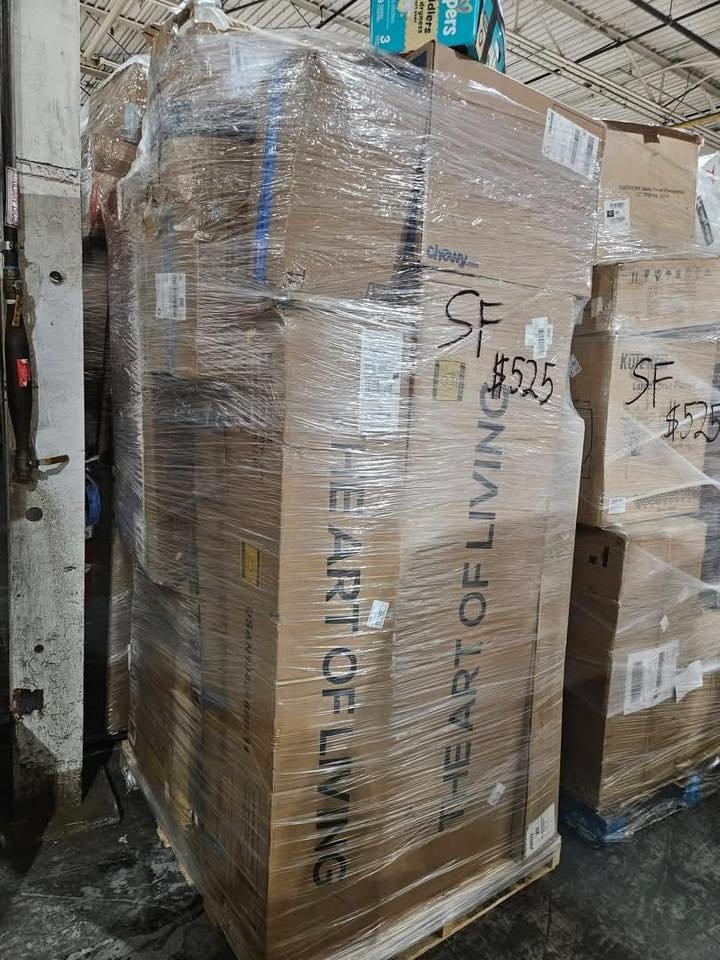
If you’re getting into reselling, understanding liquidation pallet mistakes early can save you from losing a lot of money. Many beginners rush into buying pallets because they see “cheap stock” or “high profit potential,” but they often ignore the risks behind poor sourcing, fake deals, and unrealistic expectations.
The liquidation industry can be highly profitable, but only when you know how to evaluate suppliers, inspect manifests, and calculate resale value properly. Most beginners fail not because pallets are bad, but because they don’t understand how the system works.
In this guide, you’ll learn the most common liquidation pallet mistakes, how to avoid scams, and the exact strategies experienced resellers use to stay profitable.
Understanding Liquidation Pallet Mistakes Beginners Make
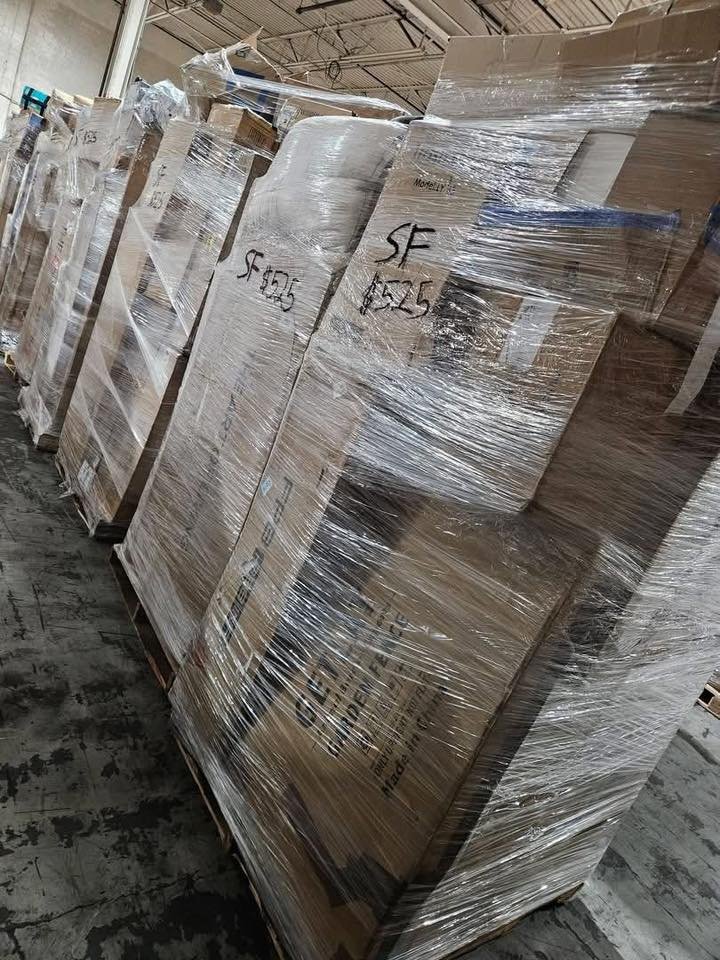
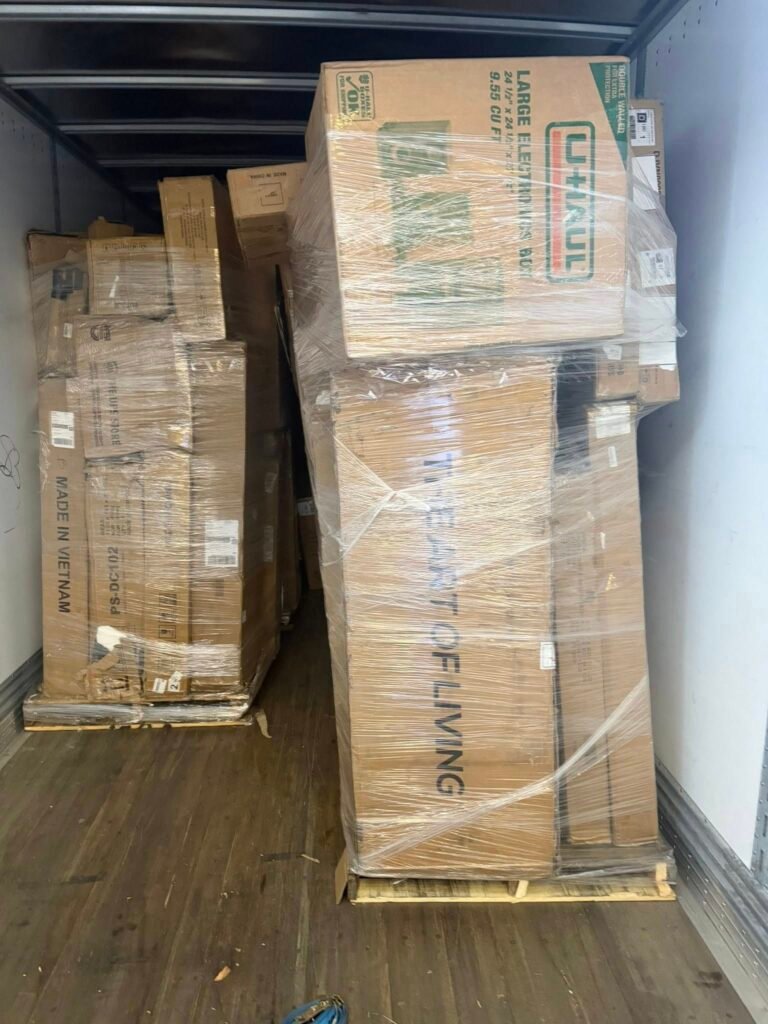
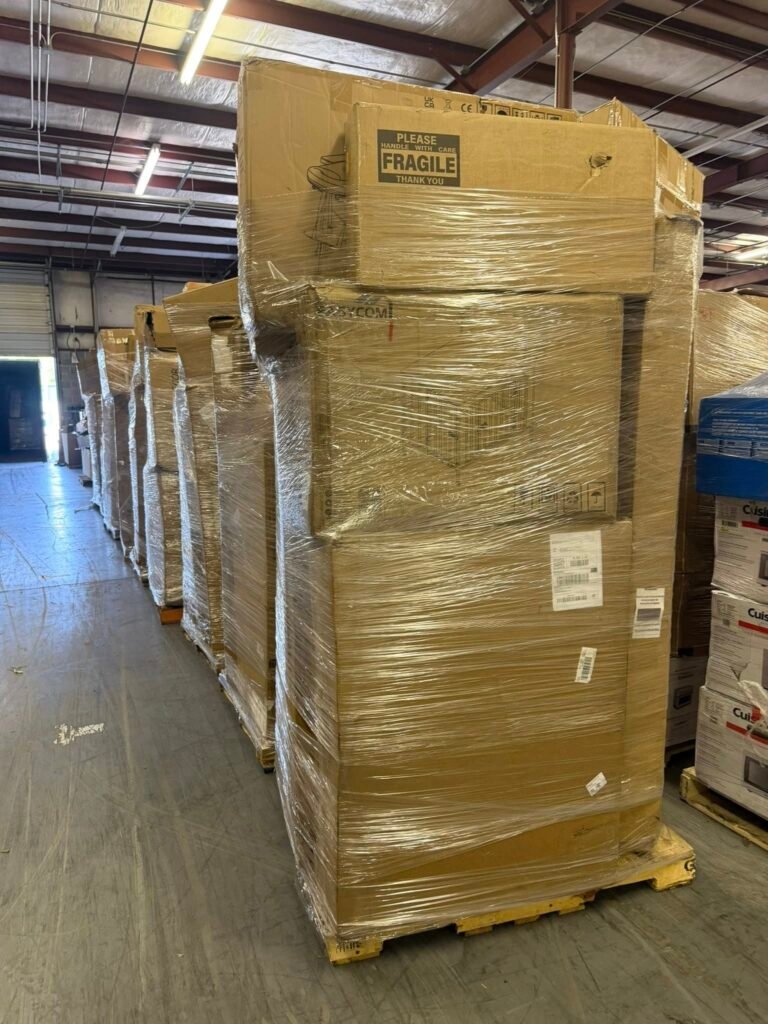
One of the biggest liquidation pallet mistakes is assuming all pallets are profitable. In reality, pallets are a mix of:
- customer returns
- overstock items
- shelf pulls
- damaged goods
Many beginners don’t realize that not every item inside a pallet is resellable. This misunderstanding leads to overpaying and disappointment.
Ignoring product condition and manifest details
A major issue in pallet buying mistakes beginners make is skipping the manifest (item list). Without it, you’re basically gambling.
Experienced buyers always check:
- Item descriptions
- Retail value estimates
- Condition grades (A, B, C)
If a seller refuses to provide a manifest, that is a red flag.
How to Avoid Scams in Liquidation Pallets
One of the most important lessons in this industry is learning how to avoid pallet scams. Scammers often target beginners with unrealistic offers like “brand new electronics pallets for $200.”
Red flags of pallet scams
Watch out for:
- Prices that are too low to be realistic
- No business address or company details
- No return policy or buyer protection
- Fake product images pulled from Google
Real liquidation suppliers are transparent. They show warehouse locations, shipping policies, and inventory sources.
Use trusted suppliers only
A safe approach is to buy from:
- established liquidation companies
- verified wholesale distributors
- marketplaces with buyer protection
This reduces risk and protects your investment.
Liquidation Pallets Tips for Smart Buying
Following practical liquidation pallets tips can significantly improve your profit margins.
Always calculate resale value first
Before buying any pallet:
- Estimate resale price per item
- Subtract fees (shipping, platform fees, repairs)
- Compare against pallet cost
If profit margin is unclear, don’t buy.
Start with small test orders
A major liquidation pallet mistake beginners make is buying full truckloads immediately. Instead:
- Start with 1–2 pallets
- Test product quality
- Understand customer demand
Focus on high-demand categories
Best beginner categories include:
- electronics (phones, accessories)
- home goods
- tools
- branded clothing
These items resell faster and reduce storage risk.
Expert Insight on Liquidation Reselling
In real-world resale experience, success in pallets is not about luck—it’s about consistency and analysis.
A common pattern seen among successful resellers is:
- They avoid emotional buying
- They track profit per pallet
- They build relationships with suppliers
Most failures come from ignoring basic data and rushing into bulk purchases without understanding margins.
Another overlooked factor is seasonality. For example:
- Electronics sell faster during holidays
- Tools sell year-round
- Clothing depends on trends and seasons
Ignoring these factors leads to unnecessary losses.
Common Liquidation Pallet Mistakes to Avoid
Let’s break down the most critical liquidation pallet mistakes that cause beginners to fail:
Mistake 1 – Buying without research
Never buy just because a deal looks “cheap.”
Mistake 2 – Ignoring shipping costs
Heavy pallets can destroy your profit margins if shipping is not calculated.
Mistake 3 – Overestimating resale value
Retail value is not equal to resale value. Always discount realistically.
Mistake 4 – Not understanding return policies
Some pallets are non-returnable, meaning all risk is on you.
Mistake 5 – Lack of niche focus
Trying to sell everything leads to slow turnover and low profits.
Smart Strategy to Reduce Risk and Increase Profit
To avoid liquidation pallet mistakes, follow this proven structure:
Step 1: Research supplier reputation
Check reviews, ratings, and business history.
Step 2: Start small and scale
Test before investing heavily.
Step 3: Track everything
Record:
- cost per pallet
- resale revenue
- profit margin
Step 4: Reinvest profits wisely
Don’t expand too fast. Stability beats speed.
Conclusion
Avoiding liquidation pallet mistakes is the difference between losing money and building a profitable resale business. Beginners often fail because they rush, skip research, or trust unrealistic deals.
By applying proper evaluation methods, checking manifests, and learning how to avoid pallet scams, you significantly reduce risk and increase your chances of success.
Liquidation pallets can be extremely profitable—but only when approached with strategy, patience, and data-driven decisions.
FAQ – Liquidation Pallet Mistakes
1. What are the most common liquidation pallet mistakes beginners make?
Most beginners buy without checking manifests, ignore shipping costs, and overestimate resale value.
2. How can I avoid pallet scams when buying liquidation stock?
Avoid deals that seem too cheap, verify supplier details, and only buy from trusted platforms with clear policies.
3. Are liquidation pallets profitable for beginners?
Yes, but only if you research products, start small, and calculate resale margins correctly.
4. What should I check before buying a liquidation pallet?
Always check the manifest, condition grades, supplier reputation, and estimated resale value.
5. What is the safest way to start buying liquidation pallets?
Start with one or two pallets from verified suppliers and focus on high-demand product categories.
[NEXForms id=”1″]