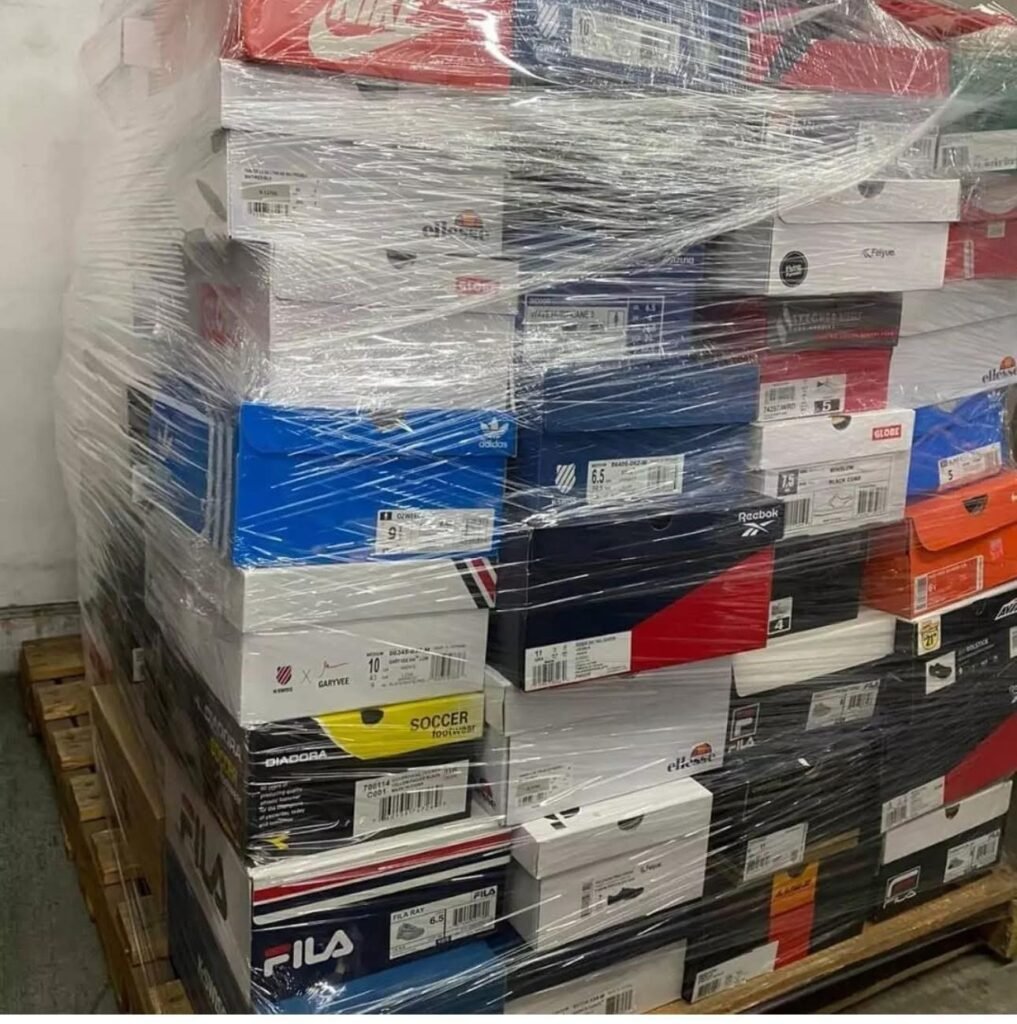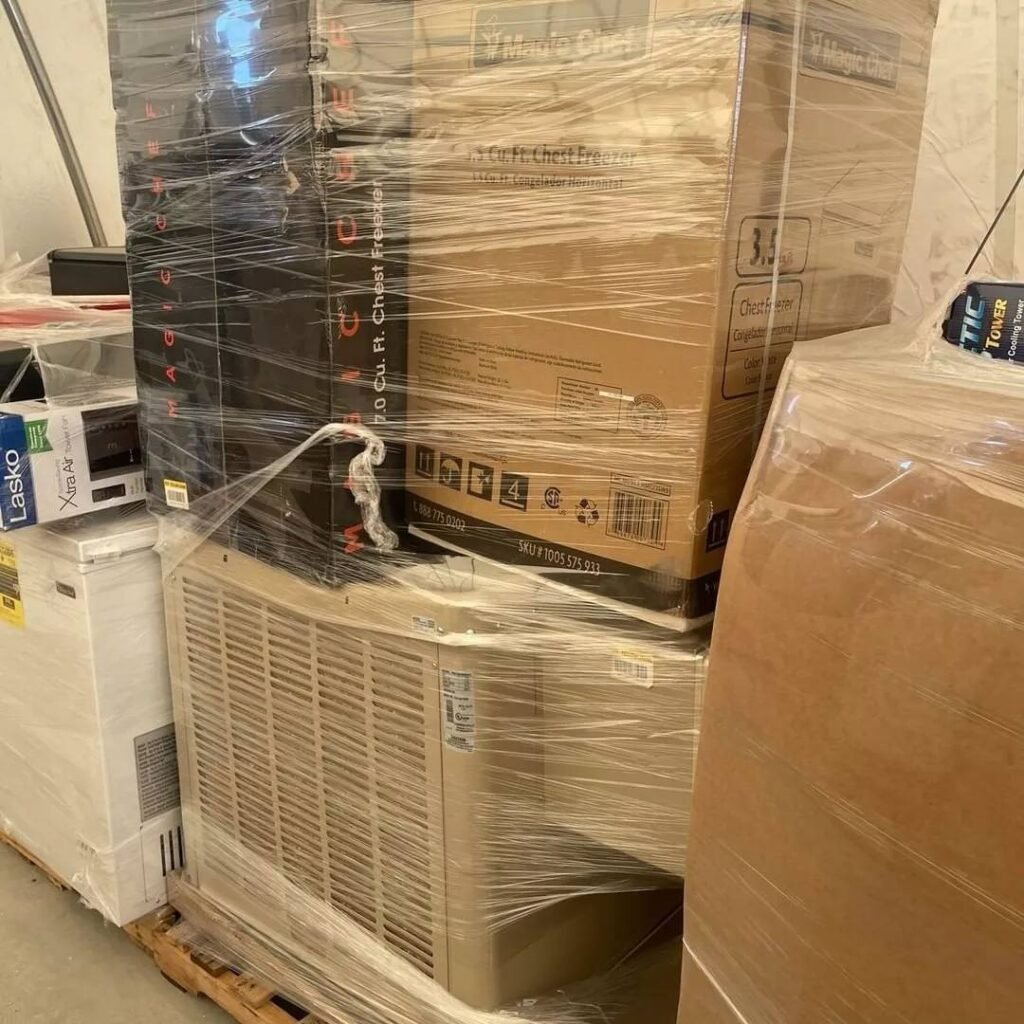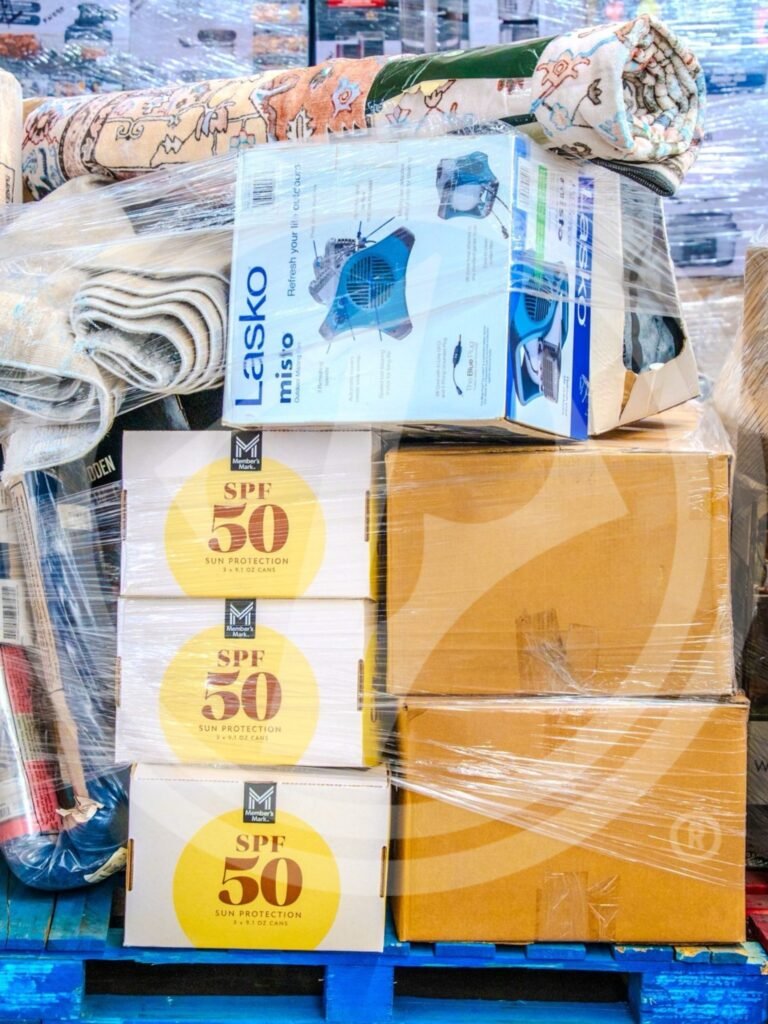
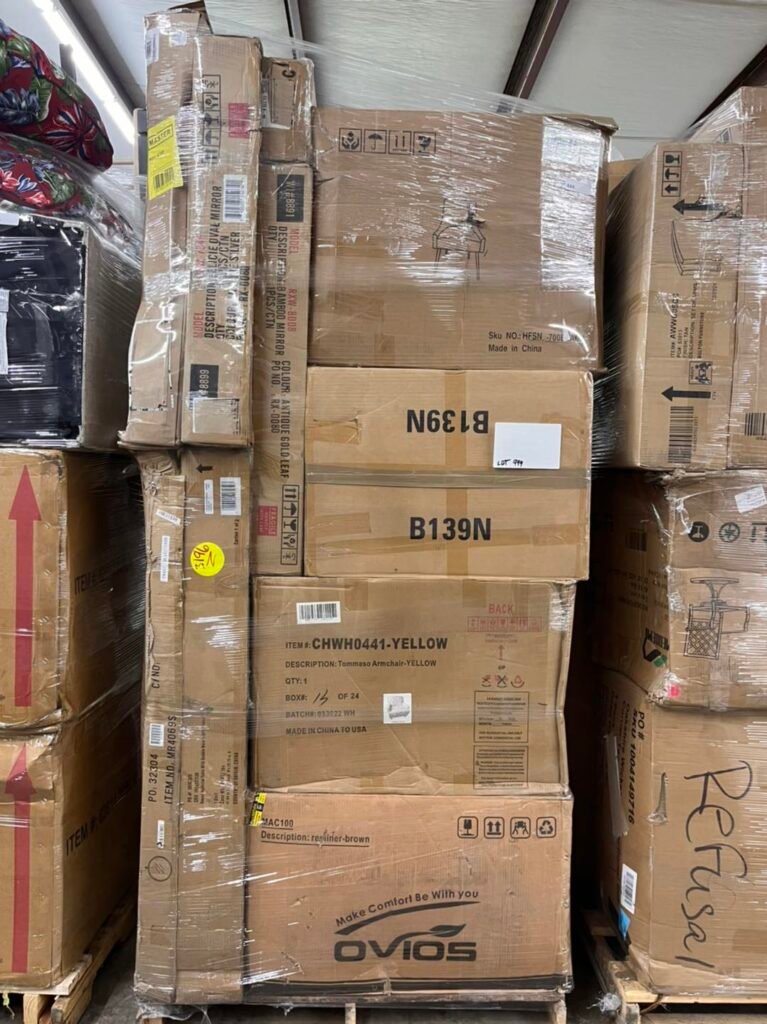
Amazon bulk pallets have become one of the most popular ways for resellers, retailers, exporters, and liquidation buyers to source large quantities of merchandise at discounted prices. Whether you want inventory for an online store, flea market, warehouse business, or export operation, understanding how bulk pallet buying works can help you avoid expensive mistakes and maximize profits.
Many buyers enter the liquidation market expecting easy money. The reality is different. Success depends on knowing pallet types, understanding grading systems, calculating costs correctly, and sourcing from reliable suppliers.
This guide explains everything you need to know.
What Are Amazon Bulk Pallets?
Amazon bulk pallets are large collections of returned, overstocked, shelf-pulled, or excess inventory sold together in pallet quantities.
These pallets typically contain products from multiple categories including:
- Electronics
- Home goods
- Clothing
- Toys
- Tools
- Kitchen products
- Beauty products
- Pet supplies
- Small appliances
Instead of selling individual returned products, large retailers liquidate them in bulk to move inventory quickly.
A typical pallet may contain:
- 100–1000+ items
- Mixed product categories
- Customer returns
- Overstock inventory
- Damaged packaging items
- New merchandise
The exact contents depend on the supplier and pallet type.
Why Businesses Buy Amazon Bulk Pallets
Businesses purchase pallets because buying in volume reduces inventory costs.
Benefits include:
Lower Cost Per Item
Purchasing inventory in bulk reduces acquisition costs dramatically.
Example:
A pallet costing $700 with 500 items means an average inventory cost of only $1.40 per item.
Higher Profit Potential
Resellers can separate valuable products from lower-value merchandise and sell individually.
Inventory Scalability
Buying pallets allows businesses to scale inventory faster than sourcing individual products.
Better Product Variety
Mixed pallets offer broader inventory options without needing multiple suppliers.
Types of Amazon Bulk Pallets
Not all pallets are the same.
Understanding categories is essential.
Customer Return Pallets
These contain products returned by customers.
Pros:
- Lower pricing
- Possibility of high-value finds
Cons:
- Higher defect rates
- More testing required
Overstock Pallets
These consist of excess inventory that retailers could not sell.
Pros:
- Often new condition
- Lower risk
Cons:
- Higher purchase price
Shelf Pull Pallets
Products removed from store shelves.
Common reasons:
- Packaging updates
- Seasonal inventory rotation
- Store closures
Mixed Merchandise Pallets
These pallets contain products from multiple categories.
Many new buyers start here because inventory diversity lowers category-specific risk.
Understanding Product Conditions
One of the biggest mistakes buyers make is misunderstanding pallet grading.
Common condition categories include:
New
Products remain unopened and unused.
Like New
Opened but typically functional.
Used Good
Minor signs of use.
Salvage
Damaged, incomplete, or non-functional.
Always review manifests and condition notes carefully.
Where To Buy Wholesale Amazon Pallets
There are multiple sourcing options. Amazon Return Pallets
Direct Liquidation Platforms
These marketplaces connect buyers with liquidation inventory. Amazon Warehouse Pallets
Advantages:
- Larger selection
- Manifest access
- Verified inventory sources
Liquidation Warehouses
Many warehouses purchase truckloads and resell individual pallets.
Advantages:
- Physical inspection
- Local pickup options
Wholesale Distributors
Some companies specialize in wholesale amazon pallets for retailers and exporters.
Advantages:
- Consistent inventory
- Business support
How Much Do Amazon Bulk Pallets Cost?
Pricing depends on: What Comes Inside Amazon Return Pallets?
- Product category
- Inventory condition
- Manifest quality
- Demand
- Shipping distance
General pricing ranges:
| Category | Average Price Range |
|---|---|
| Clothing | $200–$800 |
| General Merchandise | $300–$1200 |
| Electronics | $500–$5000+ |
| Tools | $400–$2000 |
| Mixed Merchandise | $350–$1500 |
Shipping can significantly increase total costs.
Always calculate:
Total Cost = Pallet Price + Shipping + Labor + Storage
How To Evaluate Bulk Liquidation Pallets Before Buying
Many beginners focus only on pallet price.
Experienced buyers analyze recovery value.
Follow this process.
Step 1: Review the Manifest
Look for:
- Product names
- Quantities
- Retail value
- Category distribution
Step 2: Calculate Recovery Rate
Recovery rate estimates expected resale revenue.
Example:
Retail value:
$10,000
Expected recovery:
25%
Estimated revenue:
$2,500
If total cost equals $1,200:
Potential gross margin:
$1,300
Step 3: Consider Processing Costs
Include:
- Sorting labor
- Testing products
- Packaging
- Disposal costs
Step 4: Evaluate Market Demand
Check:
- Online marketplaces
- Local demand
- Seasonal trends
Common Mistakes Buyers Make
Buying Based Only On Retail Value
Retail value does not equal resale value.
Ignoring Shipping Costs
Freight expenses can destroy margins.
Purchasing Unknown Categories
Buyers should understand product categories before investing heavily.
Not Inspecting Supplier Reputation
Unverified suppliers create unnecessary risk.
Practical Strategy For First-Time Buyers
If you are starting, follow this process.
Start Small
Purchase:
- One pallet
- Lower risk categories
- Manageable inventory size
Track Every Expense
Record:
- Purchase cost
- Freight cost
- Labor cost
- Packaging cost
- Selling fees
Build Category Expertise
Successful liquidation buyers specialize.
Examples:
- Electronics only
- Clothing only
- Home goods only
Reinvest Gradually
Scale only after proving profitability.
Expert Opinion: Why Most New Buyers Fail
Many new pallet buyers expect every pallet to produce massive profits.
This expectation creates problems.
Experienced buyers understand:
- Some inventory becomes unsellable
- Margins vary significantly
- Processing inventory takes time
- Consistency matters more than single wins
Professionals focus on repeatable systems.
They calculate margins carefully.
They diversify inventory sources.
They maintain realistic expectations.
This is usually what separates profitable businesses from short-term buyers.
Real-World Example
A small reseller purchases:
General merchandise pallet:
Cost:
$650
Shipping:
$180
Total:
$830
Inventory:
420 items
After processing:
- Sold inventory revenue: $2,050
- Unsold inventory: 80 items
- Packaging and labor: $240
Final profit:
Approximately $980
The important lesson:
Profit came from careful calculations before purchasing. Are Amazon Return Pallets Worth It in 2026?
How to Start a Liquidation Pallet Business Step-by-Step Guide
How To Increase Profits From Amazon Bulk Pallets
Sort Inventory Quickly
Faster processing improves cash flow.
Separate High Value Products
Do not sell premium products in mixed lots.
Bundle Lower Value Items
Grouping products increases sell-through rates.
Build Multiple Sales Channels
Examples:
- Online marketplaces
- Social media sales
- Local stores
- Export buyers
Maintain Supplier Relationships
Reliable suppliers create long-term stability.
Are Amazon Bulk Pallets Worth Buying?
The answer depends on:
- Your experience level
- Available storage
- Labor capacity
- Sales channels
- Financial planning
For businesses willing to learn inventory management and liquidation buying, pallets can create strong profit opportunities.
For buyers expecting guaranteed profits without research, results are often disappointing.
The key is treating liquidation as a business rather than gambling.
Conclusion
Amazon bulk pallets provide businesses with access to discounted inventory at scale, but success requires more than simply purchasing cheap merchandise.
Understanding pallet categories, evaluating manifests, calculating recovery rates, controlling costs, and building reliable sourcing relationships are what create long-term profitability.
Businesses that approach liquidation strategically often outperform buyers who rely on luck.
What are amazon bulk pallets?
Amazon bulk pallets are large collections of returned, overstocked, shelf pull, or excess inventory sold together in pallet quantities.
Are amazon bulk pallets profitable?
They can be profitable when buyers understand costs, recovery rates, shipping expenses, and resale demand.
Where can I buy wholesale amazon pallets?
You can buy from liquidation marketplaces, warehouse distributors, pallet suppliers, and wholesale liquidation companies.
How many items are usually in a pallet?
This varies greatly, but pallets commonly contain anywhere from 100 to over 1000 items.
Are bulk liquidation pallets risky?
Yes. Product condition, shipping costs, and resale value can create risk if buyers fail to perform proper analysis.
What is the best pallet category for beginners?
General merchandise, clothing, and home goods are often easier starting categories compared to electronics.