Amazon Warehouse Pallets: Complete Guide to Buying Liquidation Inventory
Amazon warehouse pallets have become one of the fastest-growing sourcing methods for resellers, retail businesses, and liquidation buyers. Whether you run an online store, operate a physical shop, or flip products for profit, understanding how these pallets work can help you source inventory at significantly reduced costs.
Unlike traditional wholesale purchasing, pallet liquidation gives buyers access to bulk inventory from returns, overstock, shelf pulls, and excess stock. However, success depends on understanding what you are buying, where inventory comes from, and how to evaluate pallet quality before purchasing.
This guide explains everything buyers need to know before investing in pallet inventory.
What Are Amazon Warehouse Pallets?
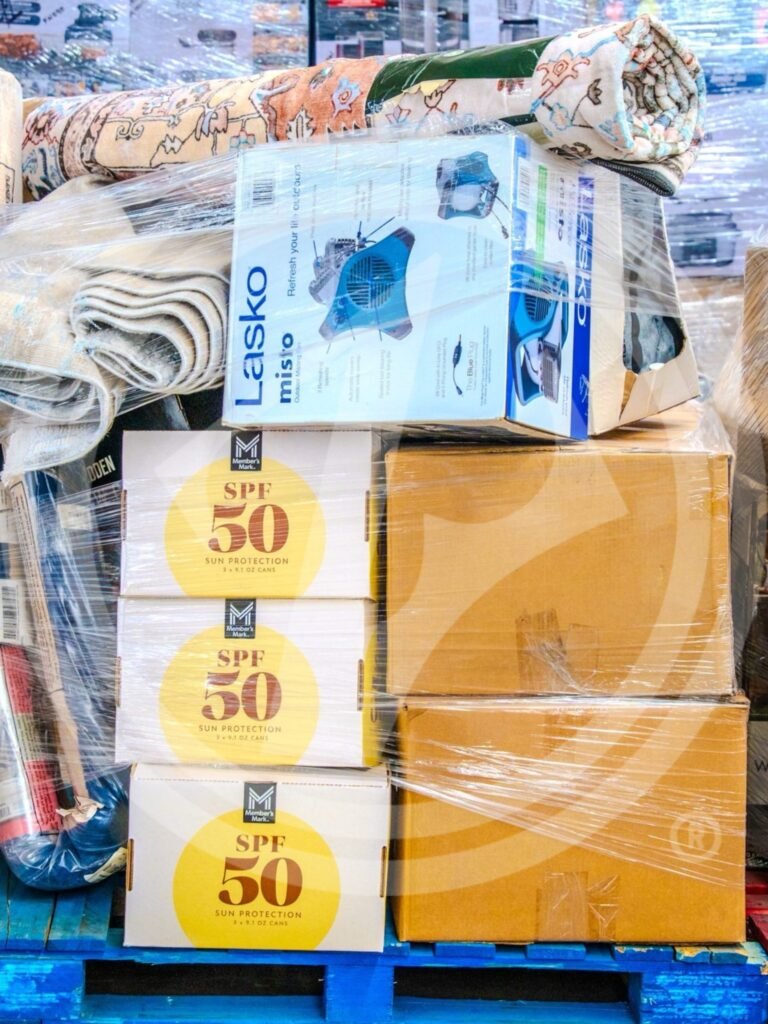
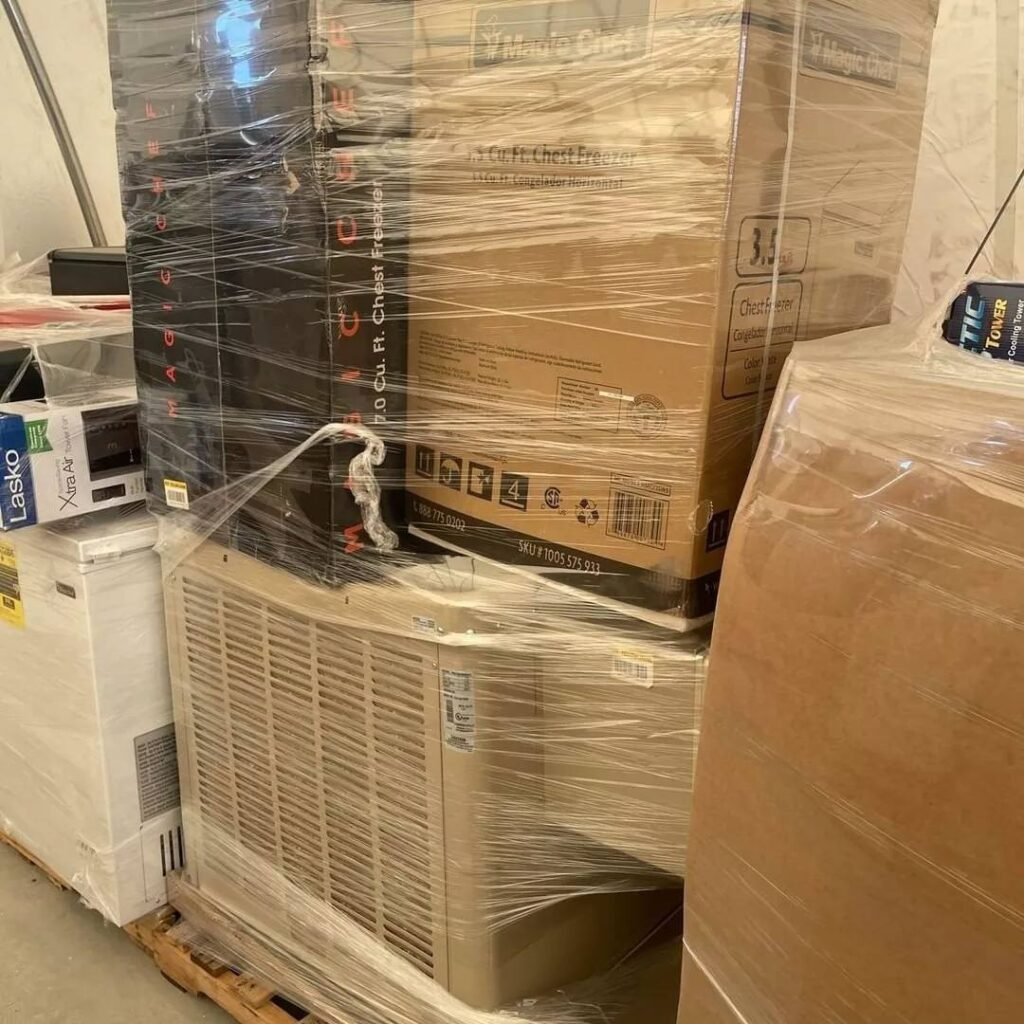
Amazon warehouse pallets are large bulk lots of products sold after they leave fulfillment centers, return processing facilities, or warehouse operations.
These pallets typically contain:
- Customer returns
- Overstock inventory
- Shelf pulls
- Damaged packaging products
- Excess seasonal inventory
- Unsold merchandise
Inventory is usually sold in bulk through liquidation companies rather than directly through standard retail channels.
Because these pallets contain mixed products, buyers often purchase them below traditional wholesale prices.
Why Businesses Buy Amazon Warehouse Pallets
There are several reasons businesses purchase liquidation pallets instead of traditional wholesale inventory.
Lower Cost Per Item
Buying inventory in pallet quantities often reduces unit costs dramatically.
For example:
- A pallet purchased for $600 may contain products with retail values exceeding several thousand dollars
- Bulk shipping lowers transportation costs per item
- Mixed inventory creates opportunities for higher margins
Access to Large Quantities
Bulk buyers need consistent inventory sources.
Pallet purchasing provides:
- Large volume purchasing
- Repeat inventory opportunities
- Faster scaling for resellers
Diverse Product Categories
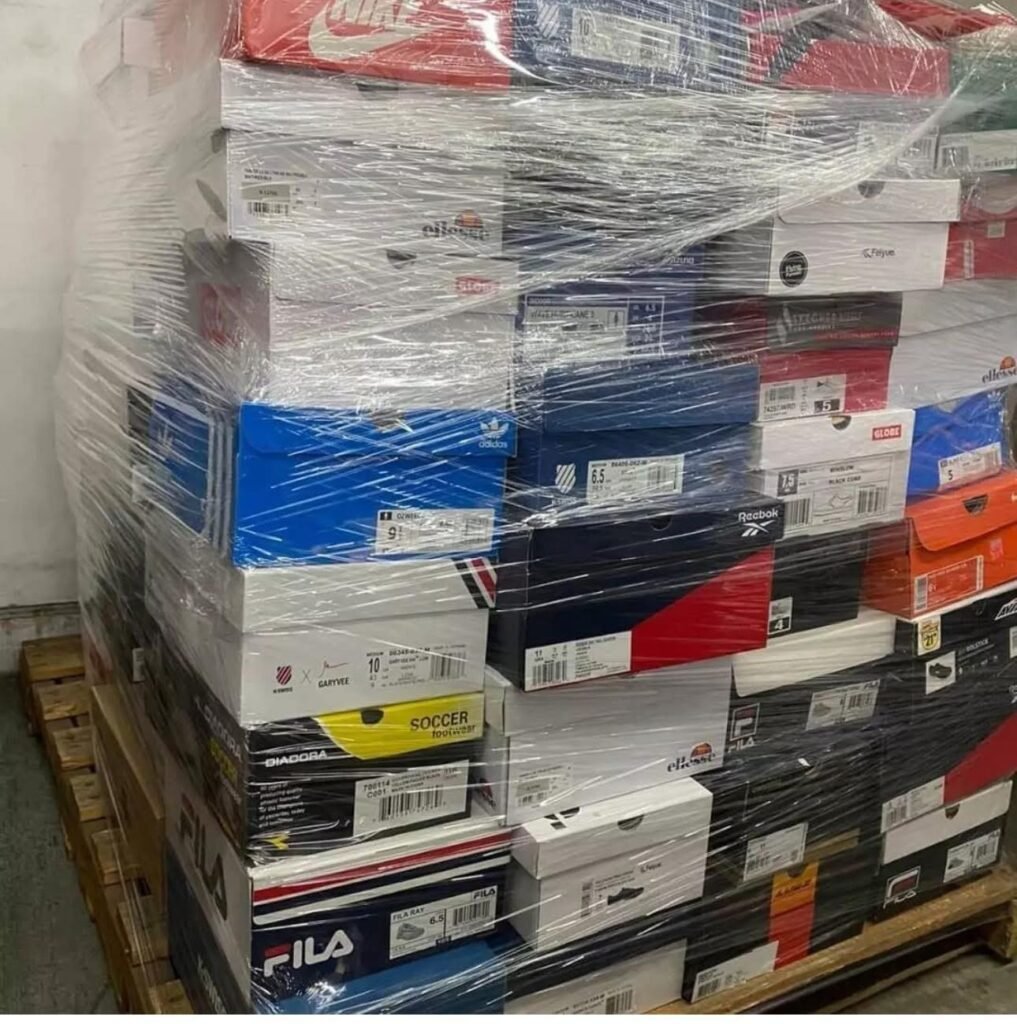
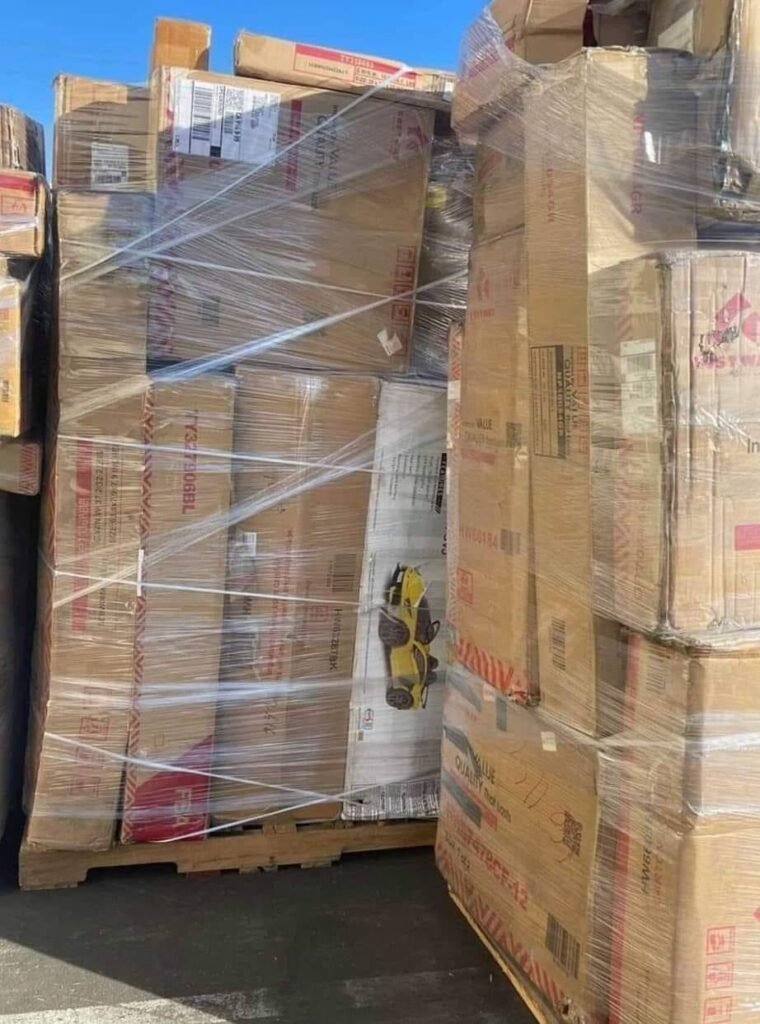
Many pallets contain mixed merchandise such as:
- Electronics
- Home goods
- Toys
- Clothing
- Beauty products
- Kitchen products
- Pet supplies
Mixed inventory allows sellers to test multiple product categories without large commitments.
Types of Amazon Warehouse Pallets
Not all pallets are identical.
Understanding categories reduces risk.
Return Pallets
Return pallets contain products customers returned.
Common conditions include:
- New
- Open box
- Used
- Damaged
- Missing accessories
Return pallets generally offer higher profit potential but carry greater risk.
Overstock Pallets
These contain excess inventory warehouses need to clear.
Advantages include:
- Better overall condition
- Lower defect rates
- Easier resale
Shelf Pull Pallets
Shelf pulls are products removed from retail shelves.
Reasons include:
- Packaging updates
- Seasonal rotation
- Overstock reduction
Shelf pull merchandise often arrives in better condition than returns.
Mixed Merchandise Pallets
Mixed pallets combine multiple categories together.
These appeal to:
- Flea market sellers
- Online resellers
- Export businesses
- Discount retailers
Where Do Amazon Warehouse Pallets Come From?
Many buyers mistakenly believe inventory comes from one source.
In reality, pallets may originate from:
- Fulfillment centers
- Return processing centers
- Third-party sellers
- Retail partners
- Distribution warehouses
After processing, inventory enters liquidation channels where buyers can purchase truckloads, pallets, or individual lots.
How Much Do Amazon Warehouse Pallets Cost?
Pricing varies depending on several factors.
Major pricing variables include:
Product Category
Electronics generally cost more than clothing or household goods.
Manifest Quality
Manifested pallets provide inventory lists.
Unmanifested pallets usually cost less because risk is higher.
Condition
New inventory commands premium pricing.
Damaged inventory sells cheaper.
Shipping Distance
Freight significantly affects total cost.
Typical ranges include:
- Small pallets: $300–$800
- Mid-tier pallets: $800–$2,000
- Premium categories: $2,000+
Always calculate landed costs before purchasing.
How To Evaluate Pallets Before Buying
Successful buyers analyze inventory carefully.
Follow this process.
Step 1: Review the Manifest
Check:
- Product names
- Quantities
- MSRP values
- Product categories
Avoid relying solely on retail value.
Step 2: Calculate Recovery Rates
Ask:
- What percentage can realistically sell?
- What percentage may be damaged?
- What margin remains after shipping?
Step 3: Research Product Demand
Inventory means little without buyers.
Research:
- Marketplace demand
- Competition
- Selling fees
Step 4: Estimate Hidden Costs
Include:
- Shipping
- Storage
- Labor
- Repairs
- Packaging
Ignoring these costs creates inaccurate profit estimates.
Amazon Warehouse Pallets for Sale: What Buyers Should Look For
When searching for amazon warehouse pallets for sale, focus on more than price.
Evaluate:
Seller Reputation
Look for:
- Consistent reviews
- Clear inventory descriptions
- Transparent policies
Manifest Accuracy
Some sellers provide detailed manifests.
Others offer only estimated contents.
Detailed manifests reduce uncertainty.
Return Policies
Many liquidation sales are final.
Understand terms before paying.
Shipping Methods
Check:
- Freight charges
- Delivery timelines
- Loading requirements
Warehouse Liquidation Pallets vs Traditional Wholesale
Many buyers compare warehouse liquidation pallets with wholesale purchasing.
Here are the differences.
Wholesale Inventory
Advantages:
- Predictable inventory
- Consistent quality
- Easier forecasting
Disadvantages:
- Higher prices
- Lower margins
Warehouse Liquidation Pallets
Advantages:
- Lower costs
- Larger profit opportunities
- Diverse inventory
Disadvantages:
- Greater risk
- More sorting labor
- Inconsistent inventory
Many experienced resellers use both models together.
Common Mistakes New Buyers Make
Avoid these costly errors.
Buying Based Only on Retail Value
Retail value does not equal resale value.
Ignoring Shipping Costs
Freight can eliminate profit margins.
Purchasing Too Large Initially
Start small before scaling.
Buying Unknown Categories
Purchase inventory you understand.
Expecting Perfect Products
Liquidation inventory always includes risk.
Expert Recommendation for First-Time Buyers
After years of observing liquidation markets, one pattern remains consistent.
Buyers who start small generally outperform buyers who purchase large quantities immediately.
Recommended approach:
- Buy one pallet
- Track actual recovery rate
- Identify best categories
- Scale gradually
This reduces costly mistakes.
Real-World Example
A reseller purchases a mixed pallet for $700.
Expenses:
- Pallet cost: $700
- Freight: $180
- Labor: $70
Total investment:
$950
Results:
- Sold inventory: $1,950
- Unsold inventory: 20%
Final profit:
Approximately $1,000 before marketplace fees.
Results vary, but proper analysis significantly improves outcomes.
Tips for Maximizing Profit
Use these strategies.
Sort Inventory Immediately
Organized inventory sells faster.
Test Products Quickly
Identify defects early.
Sell Across Multiple Platforms
Use:
- Marketplaces
- Social media
- Local sales
- Wholesale channels
Track Recovery Rates
Data improves future purchases.
Build Supplier Relationships
Repeat buyers often access better inventory.
Is Buying Amazon Warehouse Pallets Worth It?
The answer depends on expectations.
These pallets work well for:
- Resellers
- Discount stores
- Export buyers
- Ecommerce sellers
They may not work for buyers expecting perfect inventory.
Understanding risk is essential. Are Amazon Return Pallets Worth It in 2026?
Conclusion
Amazon warehouse pallets provide businesses with opportunities to source bulk inventory at reduced prices while creating strong resale potential. Success depends on evaluating inventory correctly, controlling costs, understanding risks, and scaling carefully.
For businesses willing to learn the process, amazon warehouse pallets can become a reliable inventory source and a profitable long-term strategy. What Comes Inside Amazon Return Pallets?
What are amazon warehouse pallets?
Amazon warehouse pallets are bulk inventory lots containing returns, overstock, shelf pulls, or excess inventory sold through liquidation channels.
Are amazon warehouse pallets profitable?
They can be profitable when buyers carefully evaluate inventory, calculate costs, and manage resale strategies properly.
How much do amazon warehouse pallets cost?
Prices typically range from several hundred dollars to several thousand depending on category, condition, and pallet size.
Are products inside pallets new?
Some inventory may be new while other products may be used, returned, damaged, or open-box.
Where can I find amazon warehouse pallets for sale?
Buyers typically purchase through liquidation companies, pallet suppliers, auctions, and bulk inventory marketplaces.
Are warehouse liquidation pallets risky?
Yes. Inventory quality varies, so buyers should research suppliers and start with smaller purchases.