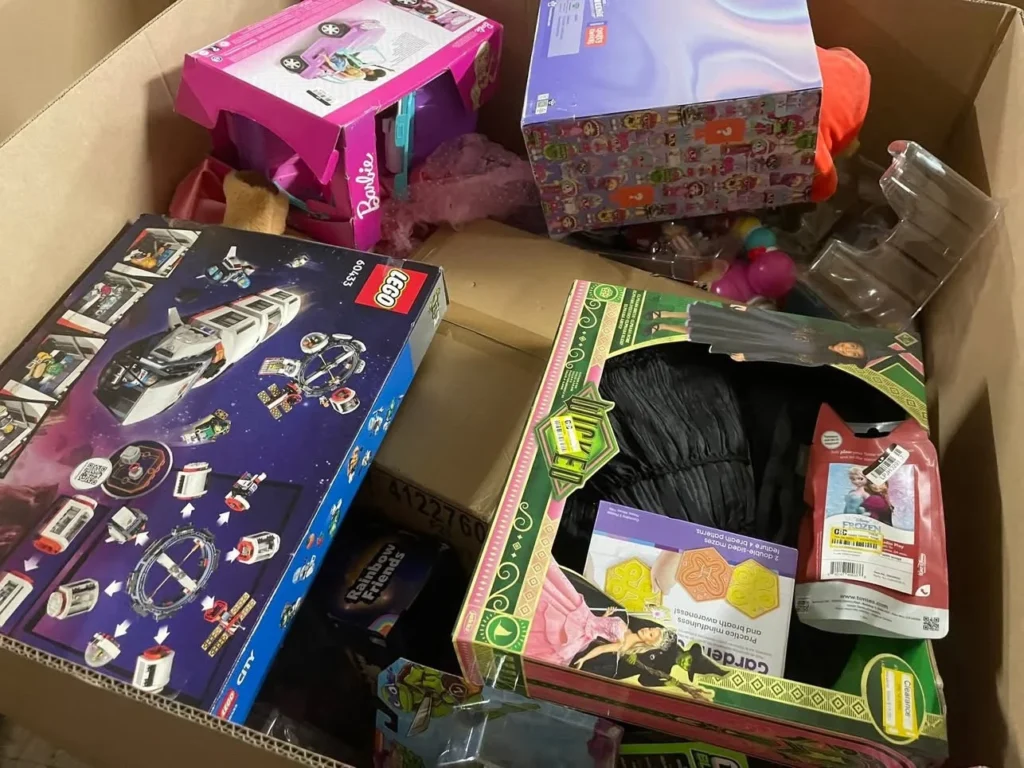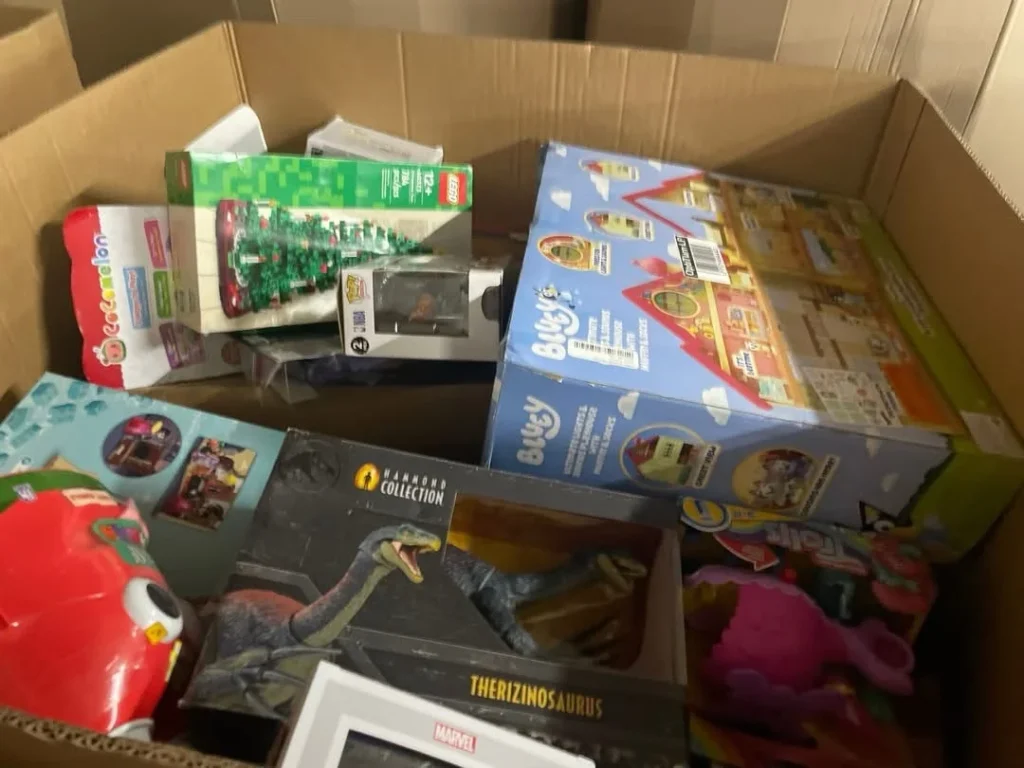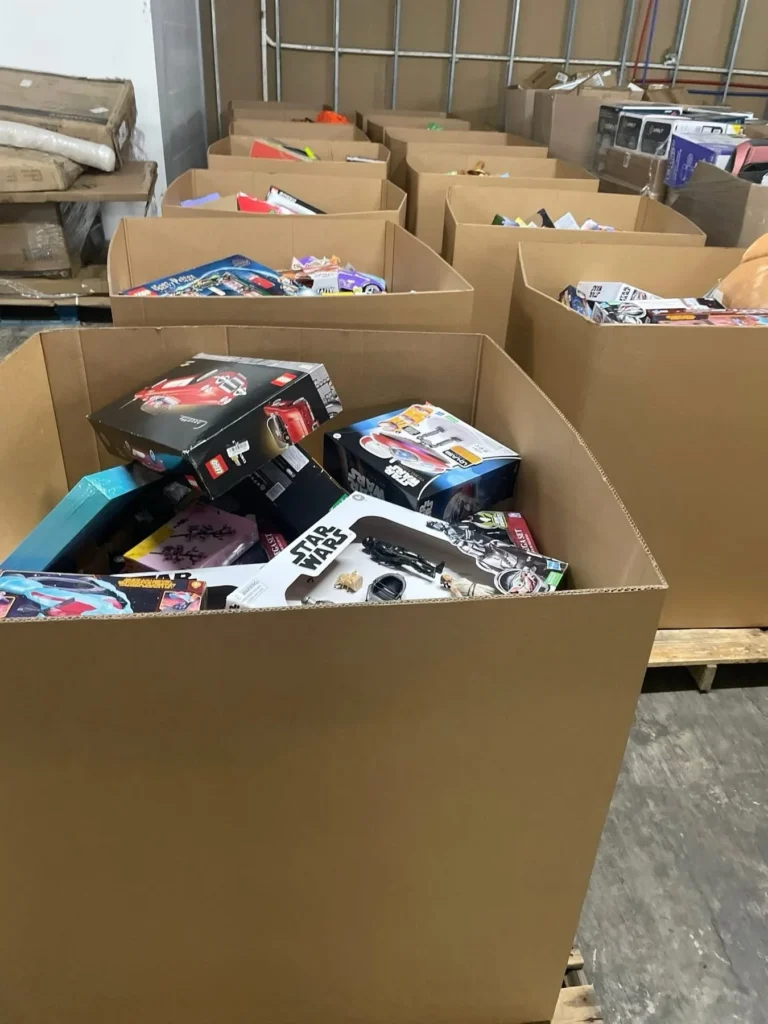
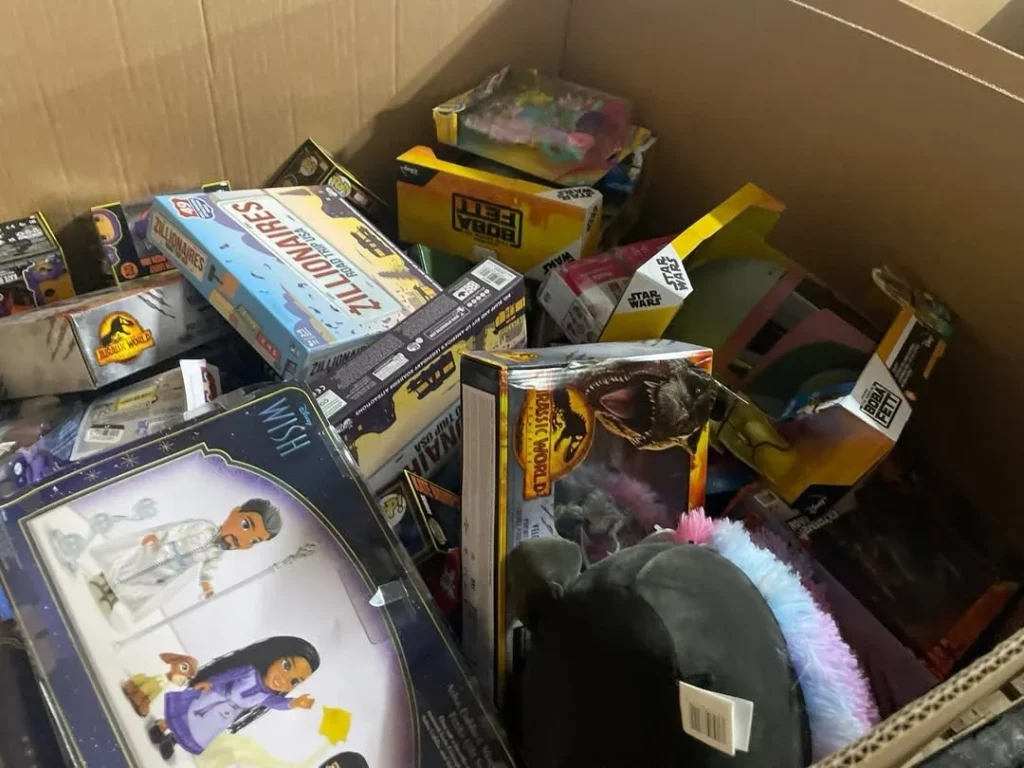
Deciding between Toy Pallets vs Lego Pallets is one of the most critical sourcing dilemmas faced by e-commerce store owners, brick-and-mortar discount shops, and flea market vendors today. The liquidation toy category is incredibly lucrative, driven by year-round demand from parents, collectors, and gift shoppers. However, the operational strategies required to turn a profit on a generic pallet of mixed toys are vastly different from those needed to successfully flip a dedicated pallet of bulk or boxed building bricks.
Sourcing bulk inventory blindly without analyzing metrics like processing time, average order value (AOV), and platform selling fees can quickly drain your working capital. This in-depth industry guide delivers a side-by-side comparison of general toy liquidation loads versus focused Lego inventory. We break down the real-world numbers, processing requirements, and hidden logistical challenges of both niches so you can confidently invest in the right pallet program for your specific business model.
The Reseller Economics of General Toy Liquidation
To accurately compare Toy Pallets vs Lego Pallets, you must first understand the economic structure of a general toy liquidation load. Mixed toy pallets typically contain a broad variety of inventory sourced from major big-box retailers. Inside these loads, you will find everything from board games and action figures to plush toys, RC cars, and seasonal outdoor playsets.
+-----------------------------------------------------------------+
|               GENERAL TOY PALLETS: QUICK METRICS                |
+--------------------------------+--------------------------------+
|      Operational Benefits      |       Sourcing Channels        |
+--------------------------------+--------------------------------+
|  • Low cost per piece ($1-$5)  |  • High product variety        |
|  • Fast local cash sales       |  • Massive multi-pack potential|
|  • Excellent for bin stores    |  • Accessible starting capital |
+--------------------------------+--------------------------------+
When you purchase a high-piece-count generic load, your initial cost per unit is exceptionally low. This allows you to set competitive price points on local marketplaces and retail floors while keeping a healthy margin. Resellers looking to build a reliable inventory of mixed retail-ready brands can find an optimal entry point through our standard wholesale toy pallets program.
Generic toy lots provide a highly diverse product mix, reducing the risk of getting stuck with a single slow-moving item. If your main sales strategy revolves around high-volume local turnouts, choosing a well-rounded bulk program like our unmanifested wholesale toy pallets ensures your shelves are constantly stocked with multiple price points that appeal to a massive audience of casual everyday shoppers.
Sourcing Strategies for Big-Box Toy Inventory
Sourcing from specific big-box retail supply chains gives you a clear indication of the types of products you will receive. For instance, loads derived from the world’s largest brick-and-mortar retailer feature household names like Hasbro, Mattel, Fisher-Price, and Nerf.
Flipping authentic name brands is much easier because the consumer market already recognizes and trusts the products. To establish a predictable local or online customer base, buying our high-yield Walmart toy pallets allows you to acquire pristine shelf-pulls and customer returns that command immediate attention on digital platforms.
For resellers who prefer to avoid lower-tier dollar-store items or heavy, broken seasonal plastics, moving upstream to higher-grade manifests is necessary. If you want to focus your business on premium gift items, interactive electronics, and top-tier collectibles, investing in our specialized premium toys liquidation pallets will help you secure pristine, high-margin store overstocks that can easily be listed as brand new on major e-commerce platforms like eBay and Amazon.
The Reseller Economics of Lego Liquidation Pallets
On the other side of the Toy Pallets vs Lego Pallets debate sits the undisputed king of building toys: Lego. This is not just a children’s toy; it is an alternative asset class. The secondary market for Lego contains a passionate global network of adult collectors (AFOLs), specialized builders, and parents who are explicitly willing to pay premium prices for retired, rare, or even loose bulk brick configurations.
       +-------------------------------------------------+
       |   THE LEGO MARGIN ENGINE: WHY IT WORKS          |
       +-----------------------+-------------------------+
                               |
                               v
       +-------------------------------------------------+
       | High Unit Value: Sets retail from $20 to $800+  |
       +-----------------------+-------------------------+
                               |
                               v
       +-------------------------------------------------+
       | Collector Appeal: Retired sets appreciate fast  |
       +-----------------------+-------------------------+
                               |
                               v
       +-------------------------------------------------+
       | Universal Demand: Pieces sell by weight easily  |
       +-------------------------------------------------+
Because of this intense brand loyalty, Lego inventory behaves differently than any other toy brand. The price retention is unparalleled. While a generic action figure might lose 60% of its value the moment the retail box is dented, an open-box Lego set often retains 80% to 100% of its value if the internal component bags remain factory-sealed.
To enter this lucrative niche, you need to establish a direct relationship with a provider that can guarantee clean, un-picked building stock. Securing your supply line through our direct factory overstock lego pallets will grant you immediate access to sealed sets, retail-ready displays, and high-poundage bulk brick assortments that can be parsed down for enormous online resale yields.
If you are a high-volume internet seller operating on platforms like BrickLink, eBay, or Mercari, sourcing your inventory through our dedicated lego liquidation pallets ensures you can reliably acquire mixed theme inventory—including Star Wars, Technic, Ninjago, and City sets—at deep commercial volume discounts.
Direct Comparison: Toy Pallets vs Lego Pallets
To determine which inventory type aligns best with your business infrastructure, warehouse size, and available labor hours, we must evaluate them across four primary operational vectors: acquisition cost, processing time, shipping constraints, and target buyer demographics.
1. Initial Capital and Sourcing Costs
General toy pallets are far more accessible for beginners. You can easily purchase multiple mixed pallets for the price of a single premium Lego load. If you are operating on a modest startup budget and need to maximize your total physical item count to fill a retail space or bin store floor, general toy liquidation is the clear winner. Lego pallets require a higher financial investment up front, but they make up for it by packing a massive amount of dollar value into a much smaller physical footprint.
2. Labor, Sorting, and Processing Time
Processing time is where these two business models diverge drastically.
- General Toys: Processing is straightforward. You cut the pallet wrap, clean off any dust, verify that the toy works or that the board game box is taped shut, and take a photo. It takes minimal technical skill, allowing you to list dozens of items per hour.
- Lego Inventory: Sourcing Lego customer returns requires meticulous verification. You must check if the retail box has been opened, verify that the internal instructional manuals are present, and check if the numbered plastic bags are sealed. If a set is completely loose, you must sort and sell the pieces by weight, or spend hours rebuilding the set to confirm completeness. Lego demands significantly more expertise and time, but it rewards you with a much higher average order value.
+-----------------------------------+-----------------------------------+
|        GENERAL TOY PALLETS        |           LEGO PALLETS            |
+-----------------------------------+-----------------------------------+
| • Fast inspection time per item   | • In-depth piece/bag verification |
| • Low barrier to entry for staff  | • Requires niche collector knowledge |
| • Instant local listing speed     | • Higher photography & detail work|
+-----------------------------------+-----------------------------------+
3. Shipping Dynamics and Platform Fees
If you prefer selling online, Lego items are far easier to store, box, and ship. A single high-end Lego set can sell for $300 and fit into a standard shipping box, keeping your fulfillment costs incredibly low.
Conversely, many general toy items—such as large plastic toddler kitchens, outdoor slides, and oversized dollhouses—are heavy, awkward, and expensive to ship. Resellers specializing in general toys usually find the most success via local zero-fee pickup apps, while Lego sellers can run a highly profitable nationwide or international shipping business out of a small garage or spare room.
Real-World Case Study: Sourcing the Split Manifest
Let us look at a real-world case study involving an independent e-commerce vendor operating a warehouse in Atlanta, Georgia. This seller split their yearly sourcing capital down the middle to test both models simultaneously, spending equal amounts on generic retail toy shipments and dedicated building brick loads.
The General Toy Sourcing Experiment
The seller purchased a multi-pallet lot of big-box toy overstocks and customer returns.
- Operational Method: The items were quickly processed by a part-time warehouse worker, sorted by age category, and listed on Facebook Marketplace for local porch pickups, alongside a dedicated eBay store for smaller board games.
- The Result: 75% of the inventory sold out within 30 days. The cash turnover was fast and predictable, generating a clean 45% return on investment. The remaining 25% consisted of bulky, unbranded, or lower-value items that were eventually cleared out at a local flea market stall to recoup the remaining capital.
The Lego Sourcing Experiment
Simultaneously, the seller acquired a single high-grade pallet of wholesale building blocks.
- Operational Method: The seller personally managed this inventory due to the expertise required. They discovered several high-value, retired Star Wars and Harry Potter sets with minor box dings but perfectly factory-sealed internal bags. The loose bricks on the bottom of the pallet were washed, sorted by color, and sold in 5-pound bulk lots on eBay.
- The Result: The pristine, sealed sets were listed on specialized collector forums and eBay, commanding close to full retail pricing despite the exterior box wear. The entire pallet took 60 days to completely liquidate, but it yielded an incredible 110% net profit margin due to the collector premiums on the retired sets.
Actionable Strategy: Which Pallet Strategy is Best For You?
To make the right choice between Toy Pallets vs Lego Pallets, evaluate your business against the following expert parameters:
Choose General Toy Pallets If:
- You operate a local storefront or bin store: You need a high volume of diverse items to keep your tables looking full and exciting.
- You want fast cash conversion cycles: You prefer to turn your inventory over within a few weeks via cash-and-carry local markets.
- You have limited processing expertise: You want a business model that can be easily systematized and run by employees without specialized product knowledge.
Choose Lego Pallets If:
- You run a purely digital, shipping-based e-commerce storefront: You want to minimize your physical storage footprint while maximizing your package shipping values.
- You are part of the collector community: You understand how to spot rare minifigures, identify classic themes, and market items to serious adult collectors.
- You prioritize high profit margins over high processing volume: You enjoy the detailed process of sorting, grading, and bundling high-value collectibles.
Conclusion
Ultimately, the choice between Toy Pallets vs Lego Pallets depends entirely on your available storage space, initial funding, and preferred sales channels. If you have the space and want rapid local turnover with low labor requirements, general toy liquidation loads provide an incredibly steady, high-volume income source. However, if you are an online seller focusing on maximizing your average item value while tapping into a fanatical collector market, investing in premium building brick pallets is a masterclass in e-commerce profitability. Choose the model that matches your infrastructure, secure a trusted wholesale supply line, and start scaling your resale business today.
1. Which option has a higher return on investment (ROI)?
Lego pallets typically yield a significantly higher net profit margin per item, often exceeding 100% when dealing with retired or rare collectible sets. However, general toy pallets offer a lower financial barrier to entry and a faster cash conversion cycle for high-volume, local cash sales.
2. Can I resell open-box Lego sets as complete?
You should only list an open-box Lego set as “complete” if you have personally verified that every single building element and minifigure is present, or if the internal factory plastic bags remain completely heat-sealed. If the pieces are loose, it is safer to sell the inventory as a bulk block lot by weight to protect your store’s rating.
3. Are electronic toys inside generic liquidation pallets tested?
Most general liquidation pallets are sold “as-is,” meaning they contain a raw mix of store overstocks, shelf-pulls, and customer returns. While overstock items are pristine, customer return electronics should always be tested with fresh batteries and wiped down before being listed on any platform.
4. How do I ship large toys without destroying my profit margins?
The most cost-effective method for handling oversized toys is to list them exclusively on local classified platforms like Facebook Marketplace, OfferUp, or Craigslist for warehouse or residential pickup. This strategy eliminates heavy shipping boxes and carrier freight surcharges entirely.
5. Do Lego pieces depreciate in value over time?
Unlike most commercial toys that lose value as they age, Lego pieces and sets possess incredible price retention. In fact, themed Lego sets that are officially “retired” by the manufacturer often appreciate in value on the secondary collector market, making them highly sought after by savvy online resellers.
6. What tools do I need to process a liquidation toy pallet?
To process your loads efficiently, your warehouse team should be equipped with heavy-duty box cutters, clear stretch shrink wrap, a digital scale for bulk item weighing, basic cleaning supplies (baby-safe sanitizing wipes), fresh testing batteries (AA, AAA, and button cells), and a well-lit photography station.