
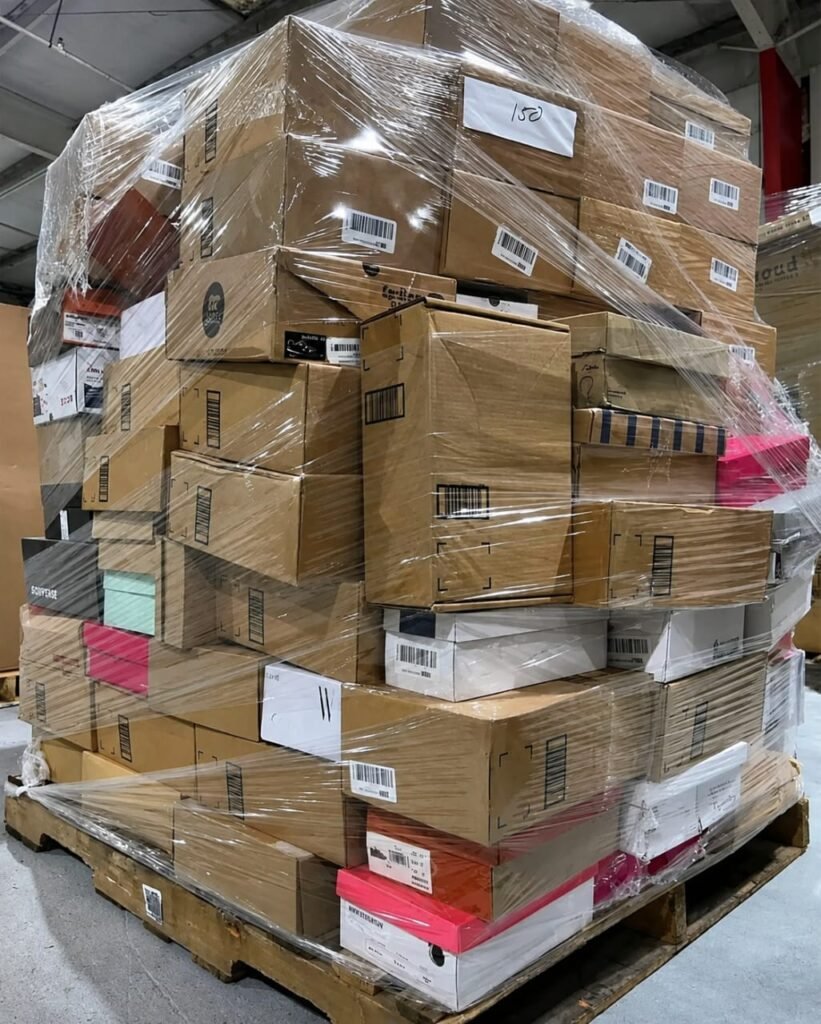
Are Walmart Return Pallets Worth it in 2026? For many entrepreneurs and side-hustlers, the answer is a resounding yes, provided you treat the venture as a professional operation rather than a lottery ticket. As the eCommerce resale market continues to expand, sourcing inventory from retail giants has become a proven strategy for building a scalable income stream. However, the industry has evolved, and success in 2026 requires more than just buying the cheapest lot you can find.
Understanding the Liquidation Landscape
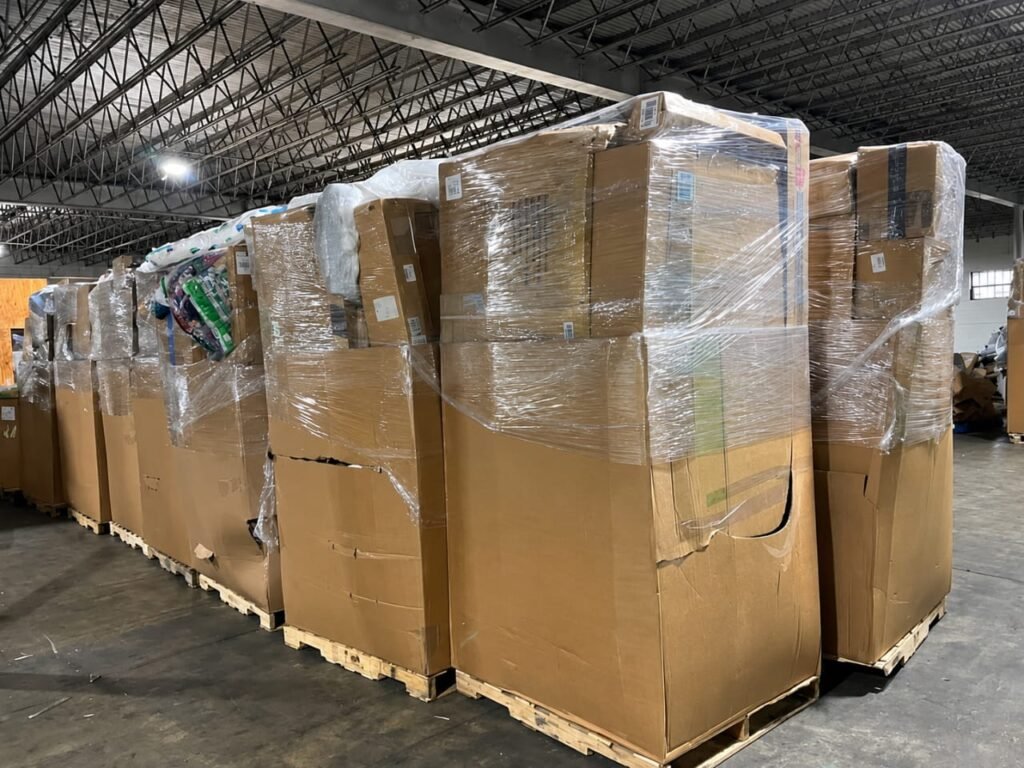
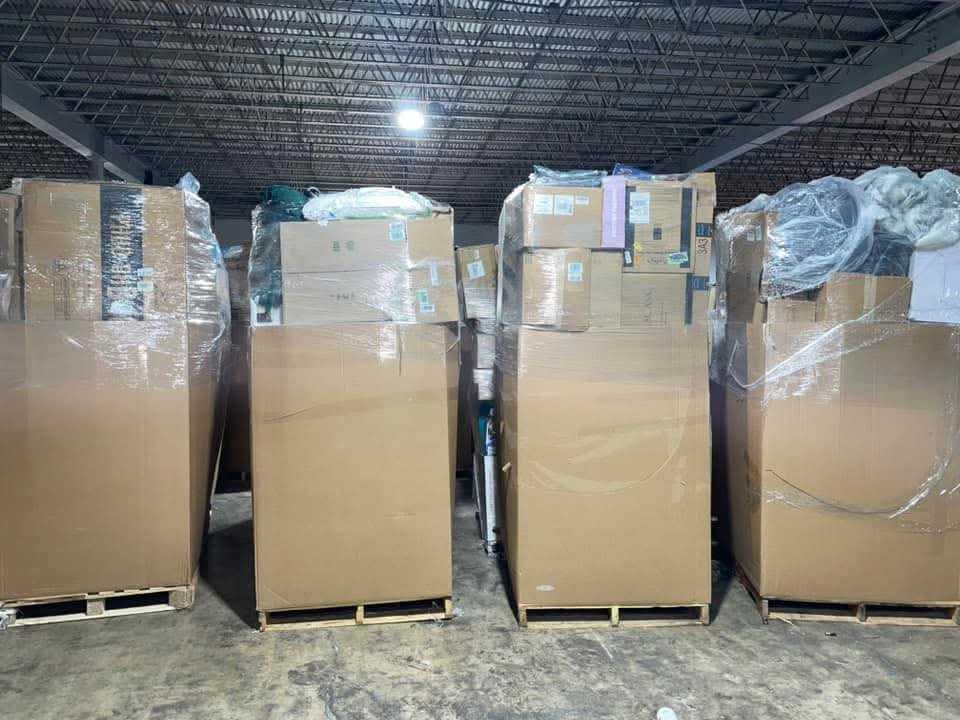
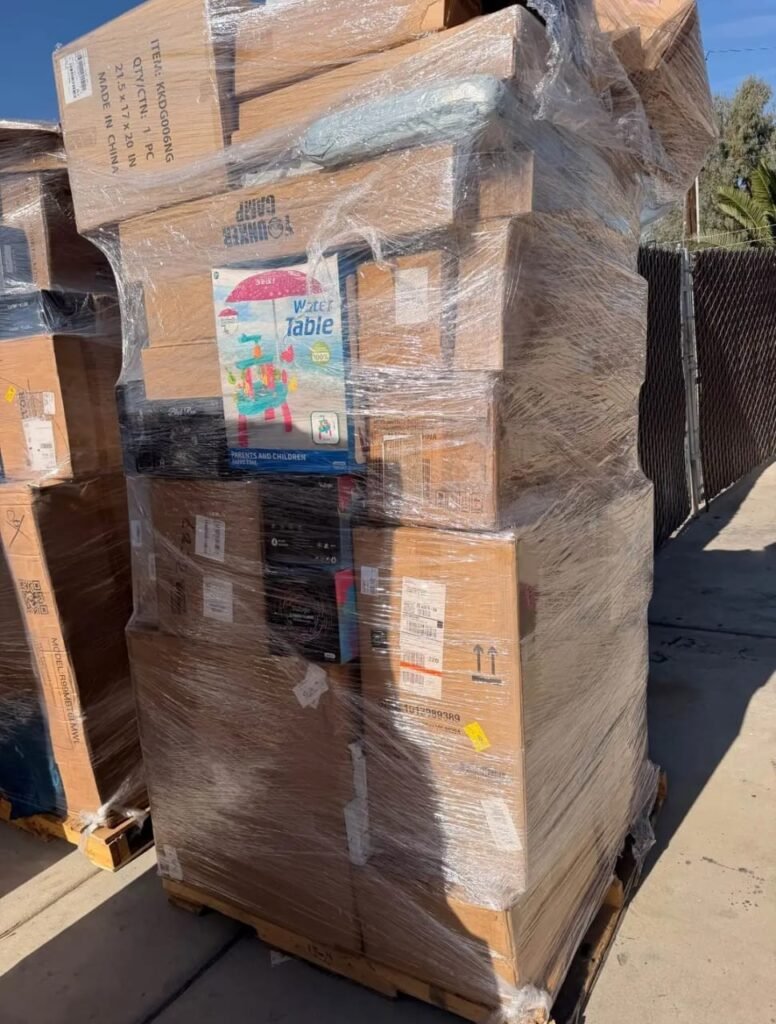
Walmart liquidation pallets are bulk lots of returned, overstocked, or shelf-pulled merchandise sold at significant discounts—often 70% to 90% below retail prices. These items exist because major retailers need to recoup value and clear warehouse space to make room for new inventory.
Key Inventory Sources
- Customer Returns: Items returned by shoppers, sometimes due to minor cosmetic issues or simple preference changes.
- Overstock/Excess Inventory: Goods that did not sell as expected or seasonal products that must be cleared after a holiday.
- Shelf Pulls: Products removed from store shelves to accommodate new model launches or inventory refreshes.
Are Walmart Return Pallets Worth It? The Reality Check
While the profit potential is high, it is not a “get-rich-quick” scheme. Industry data suggests that approximately 35% of items in return pallets may be damaged, broken, or missing parts. The most successful resellers don’t look for perfection; they look for margin.
When evaluating Are Walmart Return Pallets Worth it for your specific business, consider the following:
- Startup Capital: You should be prepared to invest $1,000 to $5,000 for initial inventory and shipping.
- Operational Requirements: You need at least 400 square feet of storage space and the capacity to dedicate 10–20 hours weekly for sorting, testing, and listing.
- The “35% Rule”: Always assume that roughly one-third of your load will need to be discarded, sold for parts, or donated. If your profit calculations still hold up after accounting for this “waste,” then the pallet is likely a winner.
Practical Strategies for Profitable Flipping
To move beyond the hobbyist stage, you must implement systems. Treat your pallet purchases as a procurement system with “ugly edges.”
1. The Manifest Verification Method
Never buy a “mystery pallet.” Always prioritize lots that come with a detailed manifest. This document lists the items inside, their condition, and the reason for return (e.g., “customer remorse” vs. “defective”). Use this to estimate your conservative revenue before placing a bid.
2. Category Specialization
Resellers who dominate the market usually focus on specific niches rather than “general merchandise.”
- Tools: Generally have a lower return rate and are easier to test.
- Small Appliances: High brand recognition (Ninja, Instant Pot) helps these hold their value well.
- Electronics: While popular, these carry a higher failure rate (30-50%) and require more technical knowledge.
3. Calculating Total Landed Cost
A common pitfall is ignoring shipping. When calculating your bid, use this formula:
Total Landed Cost = Pallet Price + Buyer’s Premium + Freight Shipping.
For professional scaling, consider moving to full truckloads (24–26 pallets), as freight costs per pallet drop significantly compared to single-pallet purchases.
Expert Insight: Building Sustainable Operations
Top-tier resellers view liquidation as a differentiated sourcing channel. By buying from verified official sources rather than third-party resellers who have already “cherry-picked” the best items, you ensure you are getting quality inventory.
For those looking for specific inventory types, you can explore specialized loads:
- Walmart General Merchandise Pallets for a variety of goods.
- Walmart Overstock Pallets for cleaner, un-returned inventory.
- Walmart Toy Pallets for seasonal spikes.
Conclusion: Are Walmart Return Pallets Worth It?
If you have the space, the capital, and the patience to process inventory, these pallets are absolutely worth it in 2026. Success comes to those who calculate their numbers before bidding, specialize in high-demand categories like Walmart Return Pallets for Sale, and maintain a consistent sales channel. By managing your expectations regarding the 35% damage rate and focusing on volume, you can turn these liquidation opportunities into a sustainable business.
1. Is buying Walmart return pallets considered passive income?
No. It requires active work, including sorting, testing, photographing, and listing items across platforms like eBay or Facebook Marketplace.
2. What should I do with damaged items?
Many resellers sell damaged items as “for parts/repair” on eBay or bundle them with other clearance items to recoup some costs.
3. How can I avoid “picked-over” pallets?
Always purchase from official liquidation platforms and verified wholesalers rather than secondary resellers on social media.
4. What is a “manifest,” and why is it important?
A manifest is a list of items on the pallet. It helps you calculate potential profit before you spend money on a bid.
5. Which categories have the best ROI for beginners?
Tools and name-brand small appliances are widely considered the best categories for beginners due to their relative ease of testing.
6. Are truckloads better than single pallets?
Truckloads are more cost-effective regarding shipping, but they require a much larger investment and significant warehouse space.
Margin Hunters 2026 Guide to Liquidation Success
[NEXForms id=”1″]