
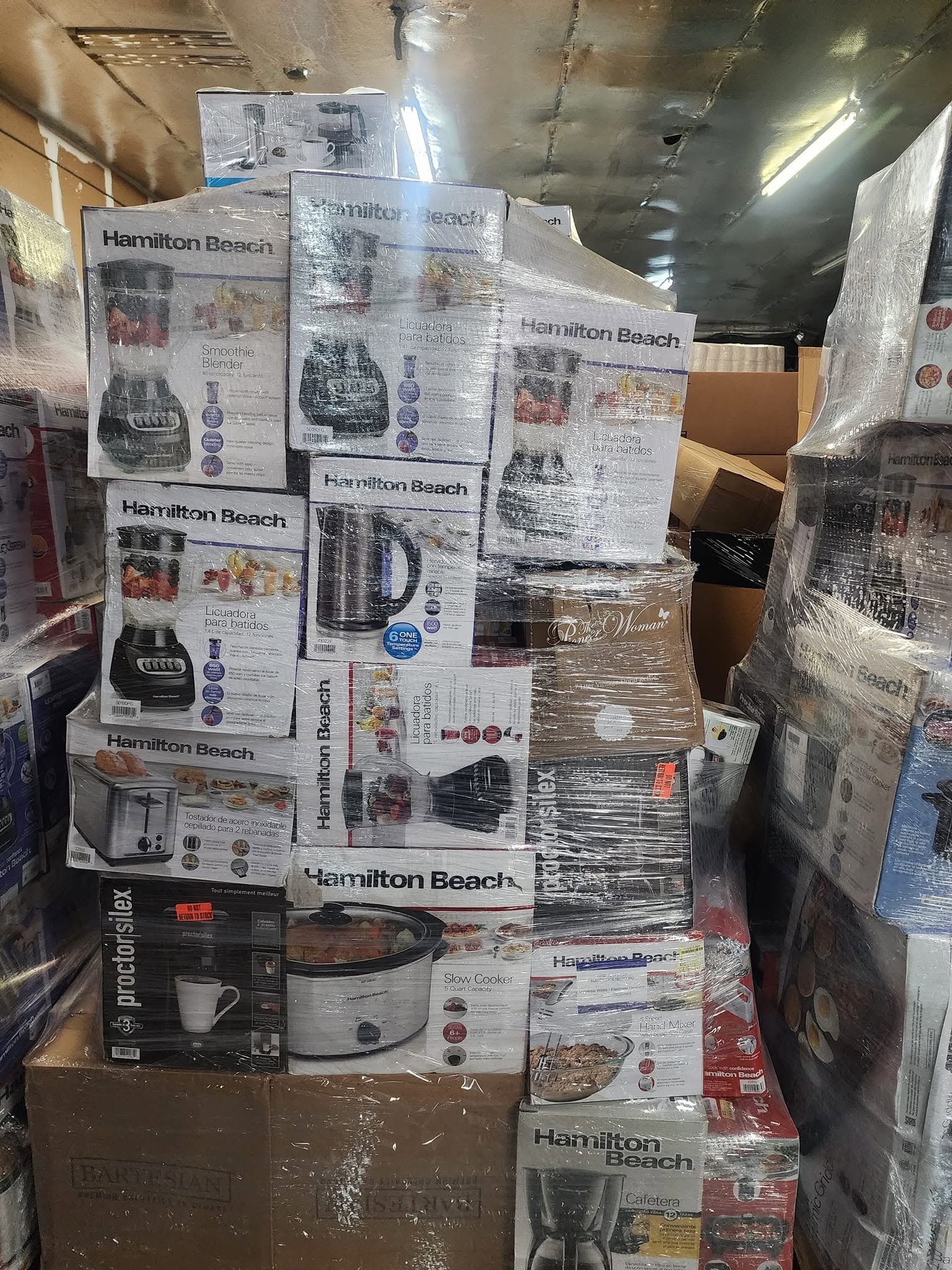
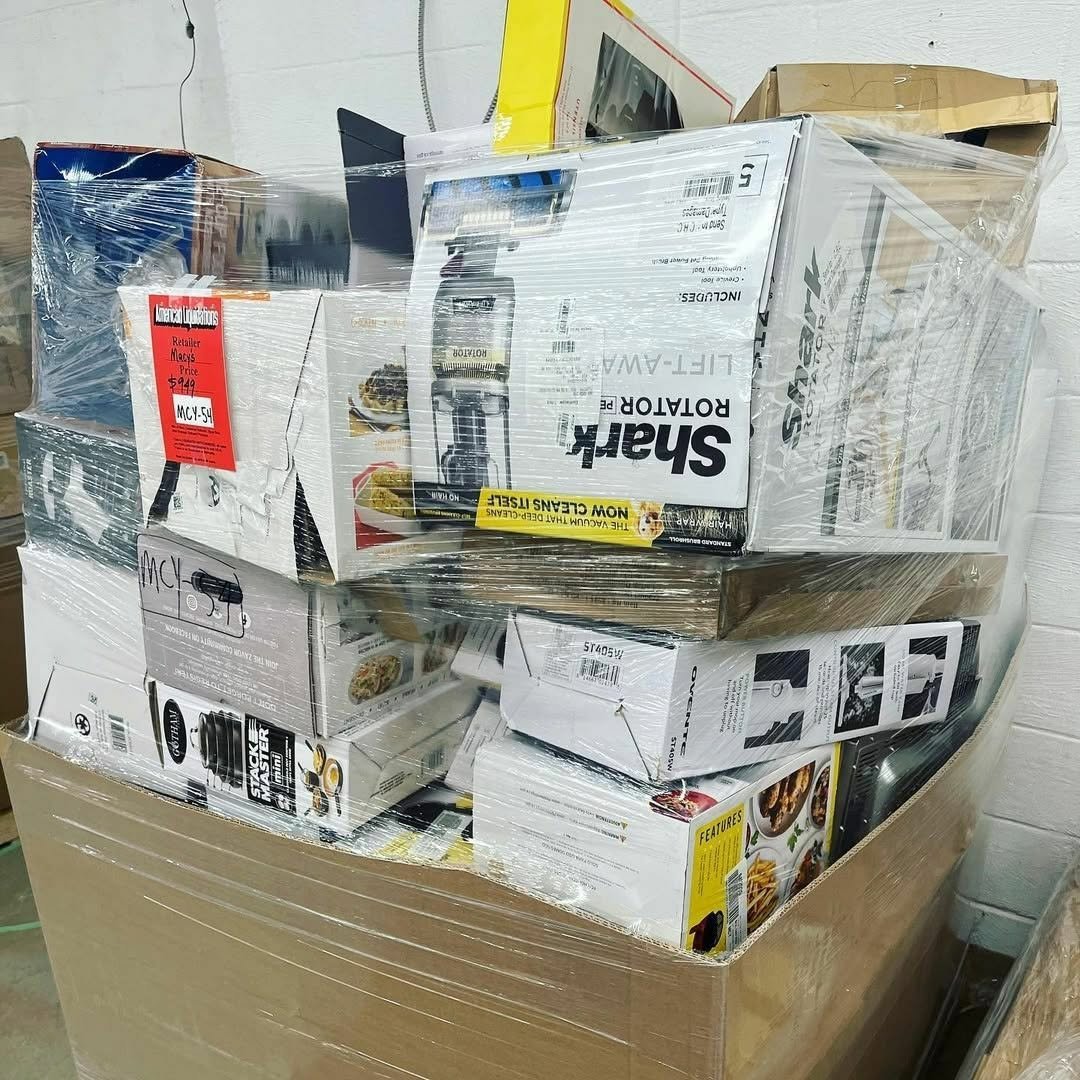
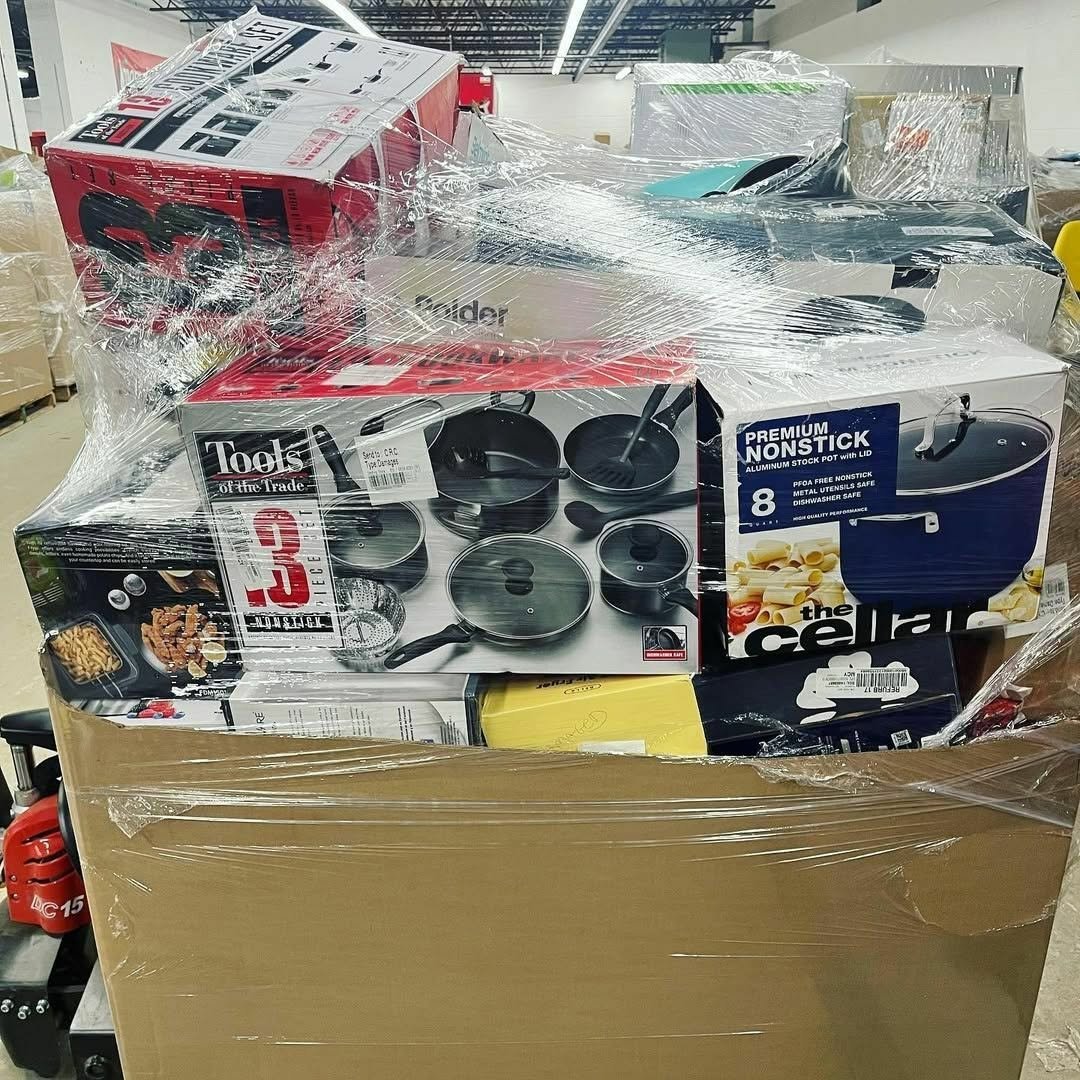
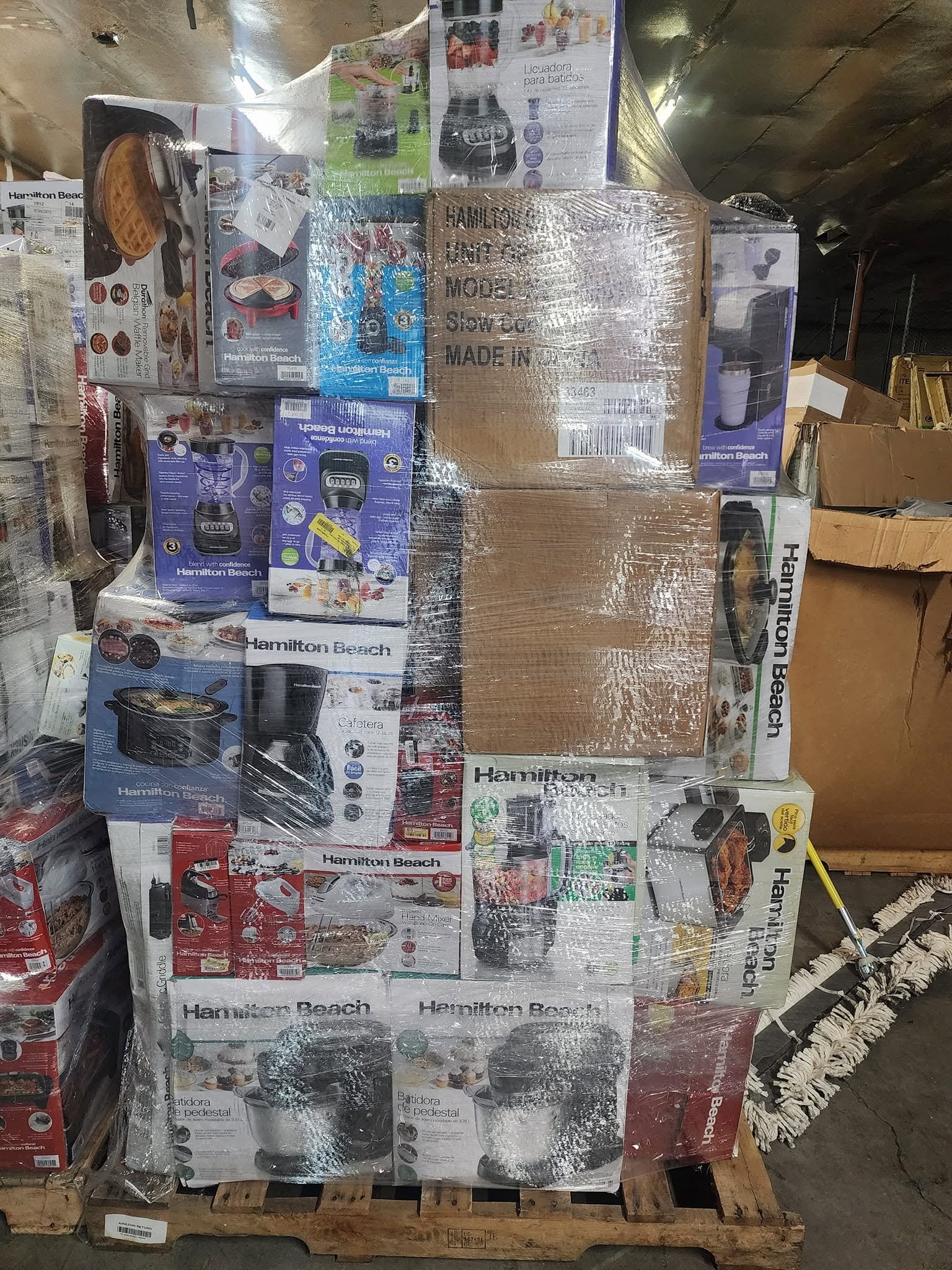
Small Appliance Pallets
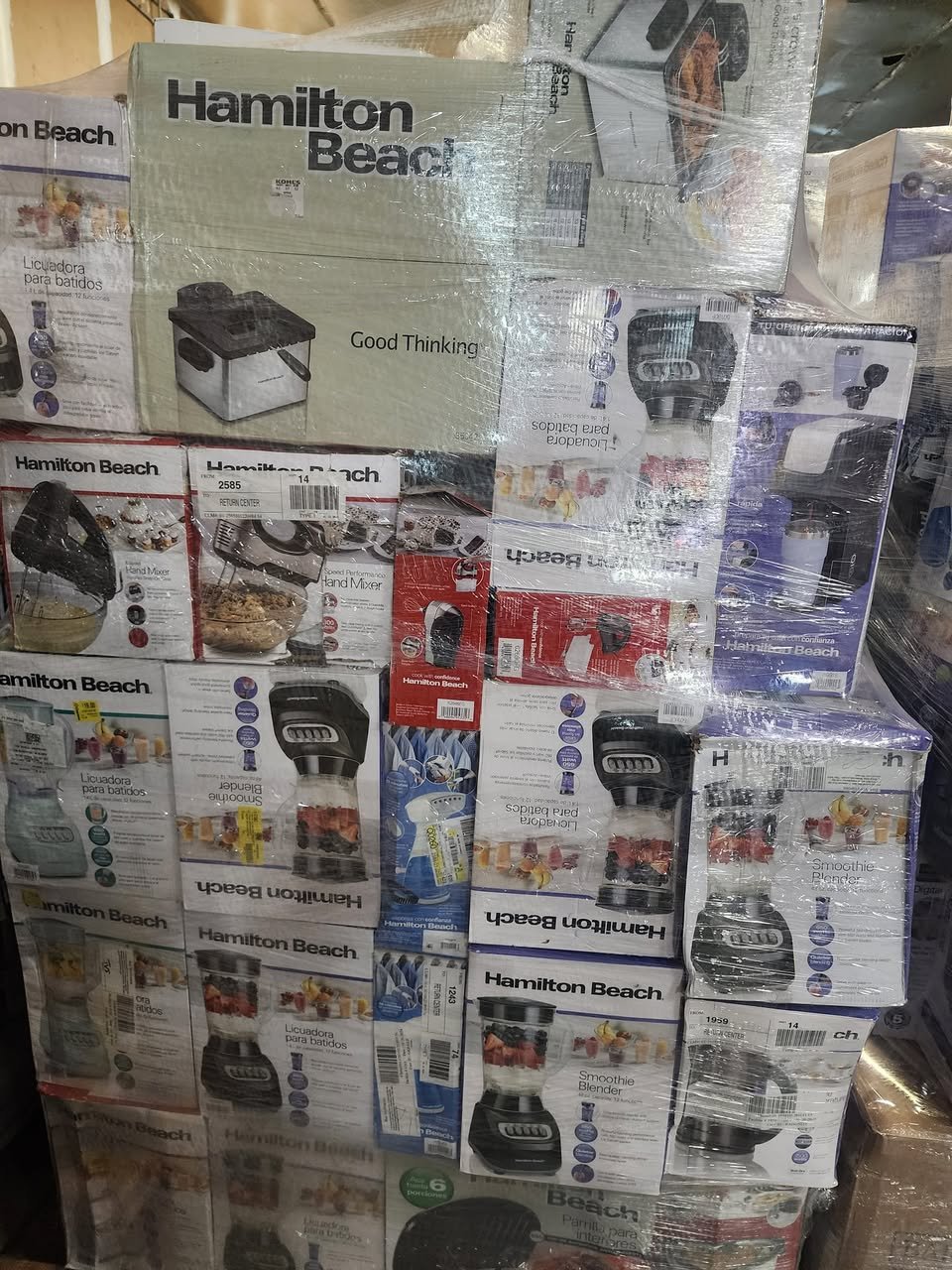
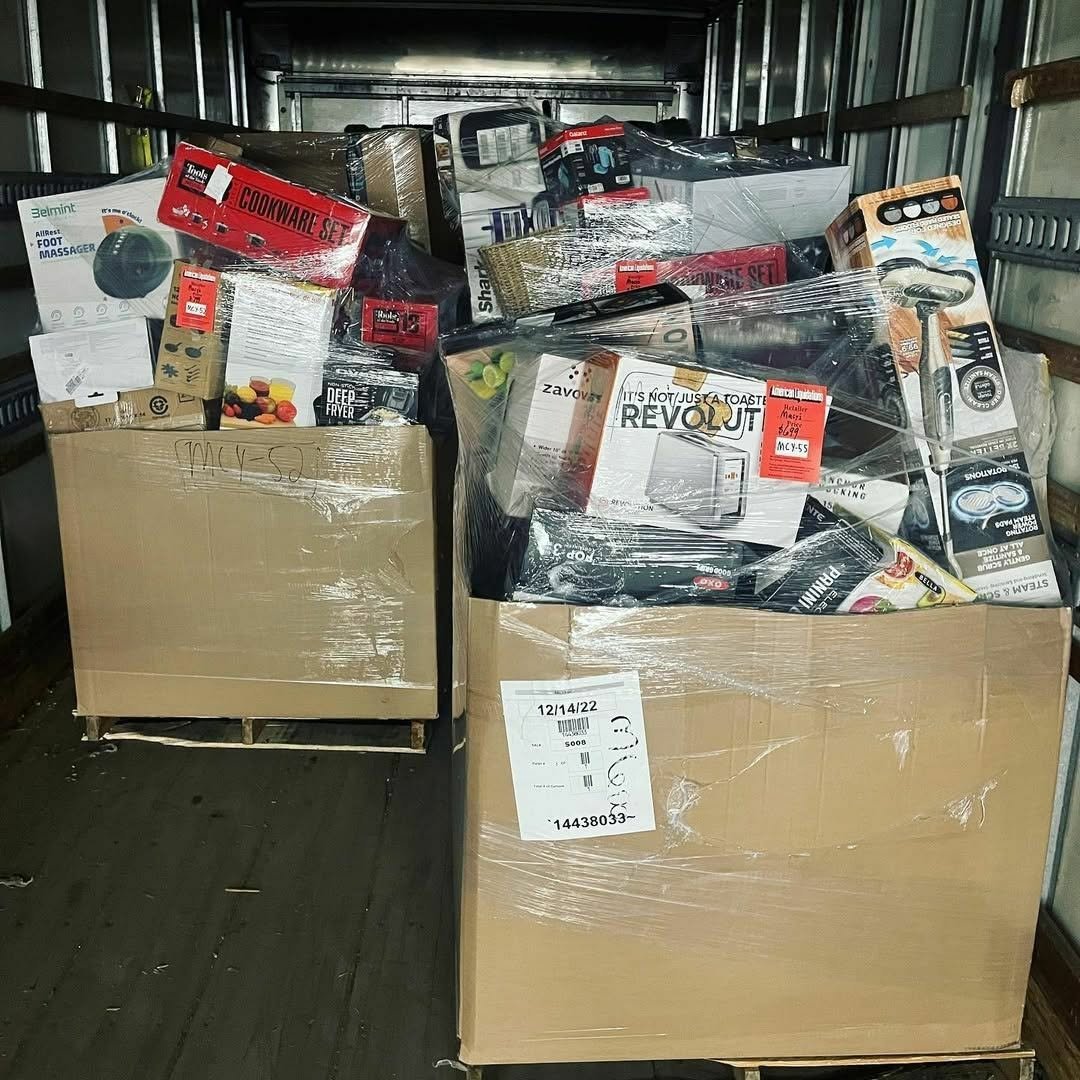
Small appliance pallets are the engine room of the modern resale business. If you are looking to enter the liquidation market, small appliance pallets offer an unparalleled combination of high demand, ease of storage, and rapid inventory turnover. Unlike bulky furniture or complex large-scale appliances, small kitchen and household gadgets are the “bread and butter” of e-commerce flippers, flea market vendors, and discount bin store owners.
In this deep-dive guide, we will explore why these pallets are a must-have for your business, how to maximize your margins, and where to find the best wholesale deals to scale your revenue.
The Reseller Economics of Small Appliance Pallets
When you invest in small appliance pallets, you are essentially buying a cross-section of the modern consumer kitchen. These pallets typically contain items like air fryers, blenders, toaster ovens, coffee makers, food processors, and hand mixers. The beauty of this category lies in the “giftability” factor—small appliances are year-round sellers for birthdays, weddings, holidays, and housewarmings.
Wholesale Kitchen Gadgets
Resellers who dominate the niche of wholesale kitchen gadgets understand that consumers are constantly looking for the “next big thing” to make cooking easier. Whether it’s the latest pressure cooker or a high-end espresso machine, these items carry significant retail value. By sourcing them in bulk, you can offer these products at a price point that appeals to bargain hunters while still maintaining a robust profit margin for your business.
Liquidation Kitchen Inventory
Managing your liquidation kitchen inventory effectively is the key to longevity. Because these items are smaller, they require less warehouse footprint, which lowers your overhead costs compared to other home improvement categories. The goal is to move units quickly, keeping your capital circulating and your business growing.
Why Small Appliances Outperform Other Categories
There are three primary reasons why experienced resellers often choose small appliances over other liquidation sectors.
1. The Power of “High Velocity” Sales
Small appliances have a high “sell-through” rate. A household might own one refrigerator, but they often own a toaster, a blender, a coffee maker, and an air fryer all at once. Because the purchase price for the consumer is lower, the barrier to the “buy now” decision is reduced. This means you spend less time waiting for a sale and more time reinvesting your profits into new stock.
2. Streamlined Shipping and Logistics
One of the biggest expenses in the liquidation game is freight. Shipping a heavy refrigerator is a logistical challenge; shipping a box containing a stand mixer is not. Because these items are compact, they are ideal for eBay, Amazon, or Shopify sellers who need to keep shipping costs under control. Even if you sell locally on Facebook Marketplace, the ability to fit multiple items in a standard car trunk makes your fulfillment process significantly more efficient.
3. Ease of Inspection and Refurbishment
If you receive a pallet with items that are “open box,” you can easily verify their condition. A quick test for power, a thorough cleaning, and a new box can often turn an “as-is” return into a “like-new” sale. If you need a refresher on how to scale these operations, our guide on how to learn how to start a liquidation pallet business provides the foundational knowledge you need to build a professional testing workflow.
Operational Strategies for Maximizing ROI
To succeed in this niche, you need to go beyond simply buying and listing. Here are three expert strategies for handling your small appliance pallets.
Step 1: The “Bundle” Strategy
Not every item you receive will be a high-ticket air fryer. You will often get smaller, lower-value gadgets like vegetable choppers or electric kettles. Instead of listing these individually, bundle them into “kitchen starter kits.” A bundle of three or four useful kitchen gadgets can sell faster and for more money than the individual items listed separately.
Step 2: Leverage Manufacturer Data
When processing items from Amazon warehouse pallets, you have a distinct advantage: the original Amazon listing. Use the UPC or product name to find the original customer reviews. If an item has a 4.5-star rating, mention those reviews in your own listing. This “social proof” dramatically increases your conversion rate.
Step 3: Diversify with Complementary Goods
Do not stop at small appliances. To be a “one-stop shop” for your customers, consider expanding your inventory to include related hardware. You can check out our microwave pallets for larger countertop items, or browse our range hood pallets if you want to move into more permanent kitchen installations.
Inventory Management and Avoiding Pitfalls
The liquidation business is rewarding, but it is also unforgiving to those who do not track their costs. Before diving into a massive bulk purchase, study our expert analysis on liquidation pallet mistakes. Understanding how to account for “duds” and return rates is the difference between a side hustle and a sustainable company.
Furthermore, if you are looking to grow your warehouse, ensure your logistics are sound. Our broader home improvement products category contains everything from lighting to plumbing, which pairs perfectly with the small appliances you are already selling. If you ever feel ready to move into major appliances, we also maintain a consistent supply of washer dryer pallets and refrigerator pallets for when you are ready to scale to heavy-duty inventory.
1. Are small appliance pallets profitable for beginners?
Yes. They are often considered the best starting point because the items are easy to test, easy to ship, and easy to sell.
2. What condition is the inventory usually in?
It varies by load, ranging from factory-sealed overstock to customer returns. We recommend testing all electrical units to ensure they are fully functional before listing them for sale.
3. How do I handle items that don’t work?
For items that are non-functional, you can sell them as “for parts/repair” on eBay, or bundle them with other damaged goods. Many repair enthusiasts actively look for these lots to salvage motors or heating elements.
4. Which brands will I find on these pallets?
You will typically find major national brands that consumers trust. Brand recognition is a major driver of resale speed in this category.
5. Can I sell these on Amazon?
Yes, many resellers sell new-in-box (NIB) liquidation items on Amazon. However, ensure you have the proper invoices and authorization to sell specific brands.
6. Why should I buy by the pallet instead of individual pieces?
Buying by the pallet is the only way to get true wholesale pricing. It gives you the “margin buffer” you need to cover shipping, platform fees, and any inventory that ends up being non-salable.
Conclusion
Investing in small appliance pallets is a low-risk, high-reward strategy for any reseller. With a massive market demand and a product category that is easy to manage, you are setting your business up for consistent growth. Start by mastering your testing process, utilize the power of bundling, and leverage our broader network of home improvement products to build a comprehensive inventory that keeps your customers coming back.
[NEXForms id=”1″]

Reviews
There are no reviews yet.