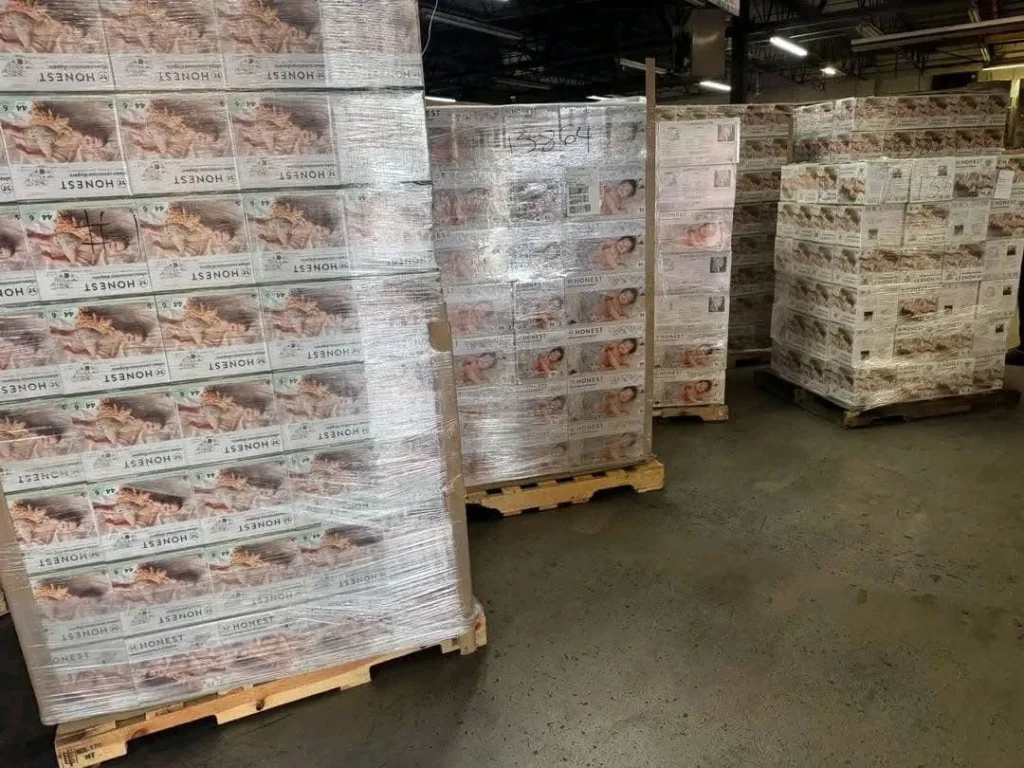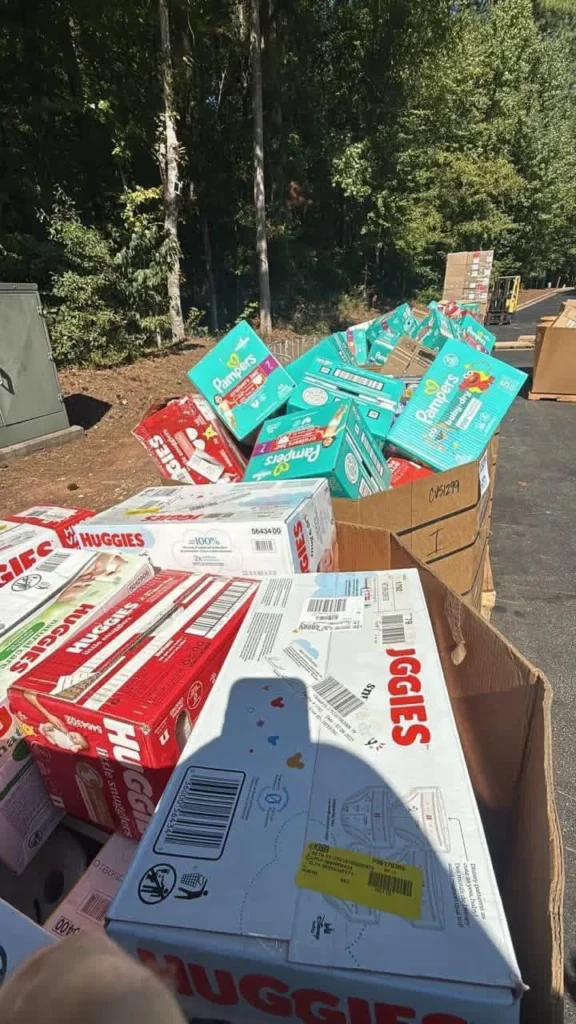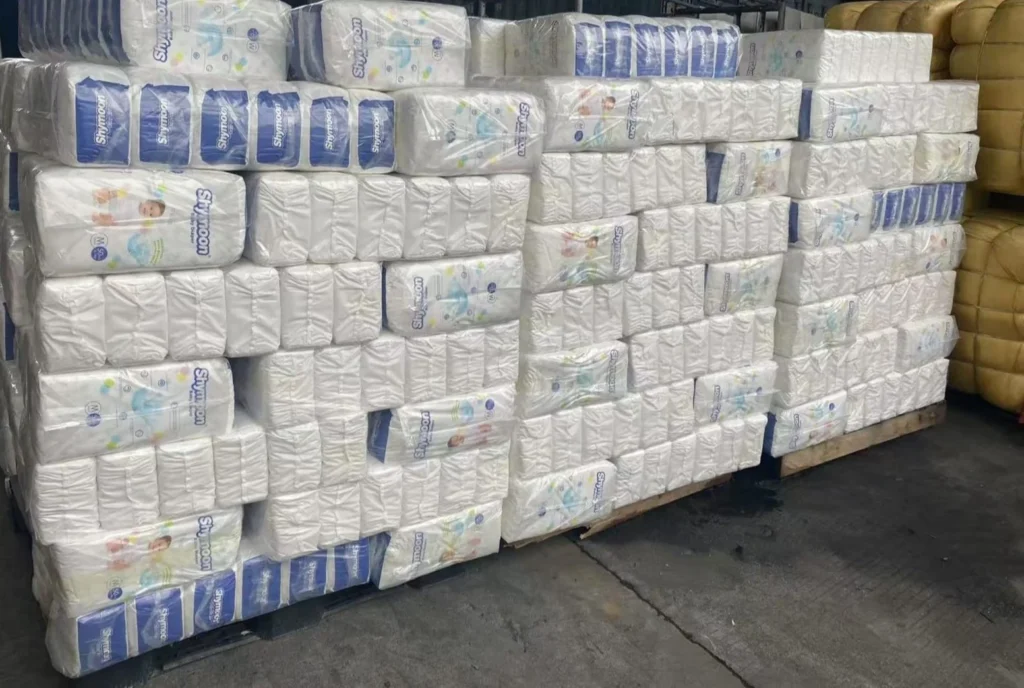
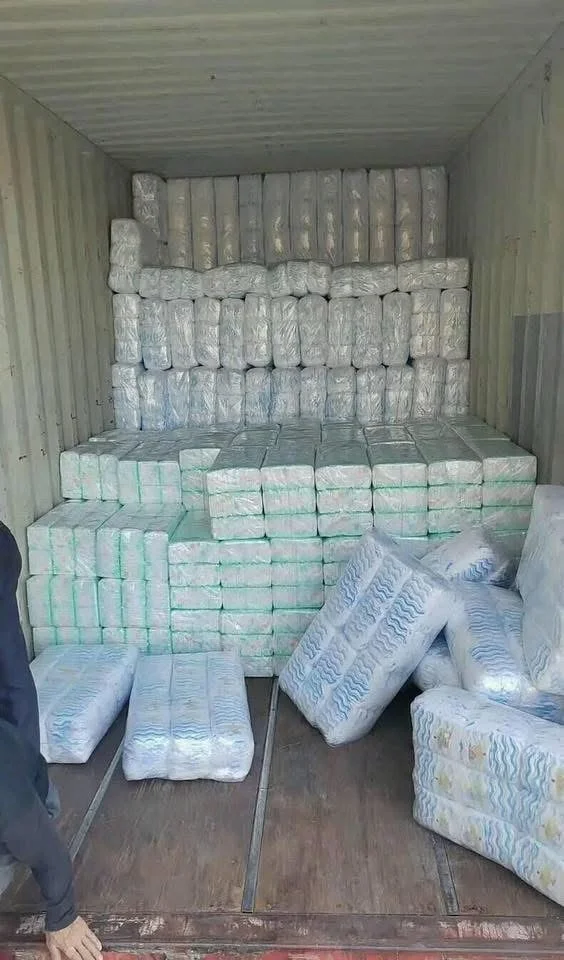
Buying baby diaper pallets is one of the most reliable, high-margin strategies for modern liquidation and resale businesses. Unlike trendy consumer electronics or seasonal fashion lines, infant care supplies fall under a unique category of retail: non-perishable, high-utility everyday essentials. Parents always need diapers, regardless of economic shifts, making this inventory highly resilient to market fluctuations.
For wholesale buyers, bin store operators, and e-commerce merchants, the baby care sector offers a predictable path to steady cash flow. However, navigating the liquidation market requires an understanding of how these bulk lots are graded, shipped, and processed. This comprehensive guide breaks down the operational realities of sourcing, sorting, and flipping infant care liquidations to maximize your return on investment (ROI).
Why Sourcing Baby Diaper Pallets is Highly Profitable
The global baby care market is massive, and diapers represent the highest recurring expense for parents during the first three years of a child’s life. When top-tier national retailers experience overstock situations, store resets, or packaging changes, they liquidate this inventory in bulk. Baby diaper pallets
[Retailer Overstock / Returns]
       │
       ▼
[Liquidation Pallets] ---> [Deep Wholesale Discounts]
       │
       ▼
[Reseller Sort & Grade] ---> [High-Margin Retail / Local Sales]
For a reseller, entering this niche provides several distinct operational advantages:
- Inelastic Demand: Families view diapers as an absolute necessity, ensuring rapid inventory turnover in local marketplaces.
- Brand Loyalty: Shoppers actively seek out premium national brands like Pampers, Huggies, and Luvs, reducing your marketing effort.
- Predictable Sizing: Standardized manufacturing sizing systems (Size NB through Size 7) make inventory categorization straightforward.
- Long Shelf Life: Unlike food or cosmetics, diapers do not expire quickly, reducing the risk of inventory depreciation during storage.
Understanding Manifested vs. Unmanifested Baby Lots
When sourcing wholesale diaper pallets, your risk profile and labor commitment will depend entirely on whether the load is manifested or unmanifested.
Manifested Pallets: Predictable and Lower Risk
A manifested inventory load includes an itemized spreadsheet detailing the exact contents of the pallet. The manifest typically outlines: Baby diaper pallets
- Brand names and specific sub-brands (e.g., Huggies Little Movers vs. Snug & Dry)
- Diaper sizes and exact piece counts per pack
- Retail packaging conditions
- Original Manufacturer Suggested Retail Price (MSRP)
Manifested inventory allows you to calculate your exact cost-per-pack and projected profit margins before spending a single dollar. This predictability is highly beneficial for e-commerce sellers who rely on accurate listings for platforms like eBay, Amazon, or dedicated storefronts.
Unmanifested Pallets: Higher Risk, Maximum Margin Potential
Unmanifested loads arrive as a surprise. These are often raw store clearance lots, bulk distribution center cleanouts, or direct retail returns. While you cannot verify the exact size breakdown or brand distribution beforehand, unmanifested merchandise sells at a steep discount compared to manifested items.
If you have the warehouse space and labor available to sort, inspect, and catalog the products manually, unmanifested inventory frequently yields the highest net profits.
Grading Systems in Diaper Liquidation Pallets
Not all wholesale inventory is retail-ready out of the box. To protect your margins, you must understand the industry-standard grading conditions applied to diaper liquidation pallets.
Shelf Pulls and Overstock (Grade A)
These items represent the gold standard of liquidation. Shelf pulls are pristine products removed from store shelves to make room for newer packaging styles or inventory transitions.
- Condition: Excellent. Outer boxes are completely intact, factory-sealed, and free of retail damage.
- Resale Strategy: These can be sold instantly at a premium price point (typically 75–85% of standard retail value) on local digital marketplaces, inside brick-and-mortar discount outlets, or through online channels.
Open-Box or Damaged Packaging (Grade B)
Grade B lots often come from shipping accidents, distribution center mishaps, or customer handling inside stores.
- Condition: The outer cardboard boxes or plastic bulk bags may be ripped, crushed, or taped up. However, the diapers themselves inside the packaging remain clean, sanitary, and completely unused.
- Resale Strategy: Resellers typically discount these items slightly below Grade A prices or bundle them together to attract budget-conscious parents. Baby diaper pallets
Loose, Bulk, or Raw Return Diapers (Grade C)
Grade C lots consist of open-box customer returns where the original packaging was completely destroyed, or bulk manufacturing overruns shipped in plain gaylord boxes.
- Condition: Diapers are loose and uncounted. They require manual sorting, sanitization inspections, and clean repackaging.
- Resale Strategy: Because the initial acquisition cost for Grade C inventory is extremely low, sellers can bag these loose diapers into clear plastic packs of 50 or 100, selling them locally for pure volume profit.
Step-by-Step Processing Strategy for Resellers
Succeeding with wholesale diaper pallets requires an efficient operational pipeline. Treating this business like a high-volume logistics operation ensures that your inventory moves quickly and your overhead costs stay low. Wholesale diaper pallets
[Pallet Arrival] ──► [Inspect & Clean] ──► [Sort by Size/Brand] ──► [Bundle/Price] ──► [List for Sale]
Step 1: Receiving and Unboxing Logistics
When a freight truck drops off your shipment, immediately inspect the outer pallet wrap for any signs of transit damage or moisture. Diapers must be kept completely dry. Move the pallets into a clean, climate-controlled workspace to prevent exposure to dust or humidity.
Step 2: Inspection and Quality Control
Cut open the pallet wrap and evaluate each unit. Separate pristine, factory-sealed boxes from those with compromised outer packaging. For any opened boxes, check a sample size of the diapers to ensure they are clean, free of dust, and completely dry.
Step 3: Categorizing by Brand and Size
Create dedicated sorting zones in your warehouse or garage for primary sizes (Newborn through Size 7, plus training pants). Group matching brands together. Parents shop strictly by size and brand preference, so keeping your inventory organized this way allows you to fill customer orders rapidly.
Step 4: Repackaging and Bundling
For loose or damaged-box inventory, use clear, heavy-duty poly bags to create custom retail bundles. Label each bag clearly with the brand name, diaper size, and exact count. Bundling three to four smaller packs into a “one-month supply” is a highly effective way to increase your average order value.
Maximizing Profit Margins Through Strategic Sourcing
To scale your business efficiently, look beyond single categories and expand your product catalog into complementary baby care supplies. Diversifying your product offerings makes your store a one-stop-shop for parents, boosting your average ticket size.
Diversifying Your Product Mix
While diaper pallets provide the volume and consistency your business needs, adding high-margin items like children’s apparel can supercharge your growth. Incorporating a curated baby clothing pallet into your inventory mix allows you to build attractive bundles, such as pairing a box of diapers with matching infant outfits.
┌─────────────────────────────────────────────────────────┐
│                 High-Margin Bundle Idea                 │
├────────────────────────────┬────────────────────────────┤
│       Core Inventory       │    Complementary Add-on    │
├────────────────────────────┼────────────────────────────┤
│  Premium Diapers (Size 3)  │  Infant Rompers & Onesies  │
│  From Wholesale Pallets    │  From Baby Clothes Pallets │
└────────────────────────────┴────────────────────────────┘
Expanding into general apparel loads through wholesale baby clothes pallets gives you access to seasonal stock, matching sets, and sleepwear that parents naturally buy alongside their routine diaper runs. Diaper liquidation pallets
Calculating Your True Sourcing Costs
When purchasing liquidation lots, never judge your profitability solely on the initial cost of the pallet. You must look at the fully landed cost per unit to protect your bottom line. Always use the following formula before finalized purchases:
If you buy a pallet for $400 containing 100 retail-ready packs, and shipping costs $150, your true cost per pack is $5.50. If those same packs retail in stores for $12 to $15, you have a solid, highly profitable margin to work with.
Best Sales Channels for Moving Baby Inventory Fast
Once your inventory is processed, graded, and priced, you need to deploy it across the right sales channels to ensure rapid turnover.
1. Local Marketplaces (Facebook Marketplace, OfferUp)
- Why it works: Zero selling fees and no shipping costs.
- Best for: Moving heavy boxes, Grade B items, or loose bundled diapers quickly.
- Tip: Offer bulk discounts (e.g., “Buy 3 boxes, get $5 off”) to clear space for new shipments.
2. Brick-and-Mortar Discount Stores & Bin Stores
- Why it works: High-volume foot traffic driven by deal-hunting shoppers.
- Best for: Loose diapers, mixed brand lots, and shelf pulls.
- Tip: Dedicate a specific section of your store to baby care items so parents know exactly where to find consistent stock.
3. E-commerce Platforms (eBay & Mercari)
- Why it works: Access to a national audience searching for discontinued packaging or specific premium brands.
- Best for: Factory-sealed, light-weight specialty packs, training pants, and swim diapers.
- Tip: Factor calculated shipping fees into your pricing model to protect your net profit margins.
Industry Case Study: Flipping Direct Programs
A liquidation specialist operating a 1,500-square-foot warehouse space in Ohio expanded their business by moving away from sporadic general merchandise loads and focusing heavily on predictable household goods. They integrated the direct mixed baby pallets program into their monthly sourcing rotation.
[Monthly Inventory Mix]
├── Mixed Baby Program Pallets (Diapers, Wipes, Lotions)
└── Targeted Product Lots (Premium Baby Diapers Pallets)
By stocking a reliable mix of diapers, wipes, and baby accessories alongside dedicated baby diapers pallets, they transformed their local warehouse into a destination for local community resellers and families alike.
Within four months of focusing on this niche, their average inventory turnaround time dropped from 22 days down to just 9 days. The team discovered that by offering consistent sizing options week after week, they built a highly valuable base of repeat local buyers, which drastically cut down their digital advertising costs.
Common Sourcing Mistakes to Avoid
While the diaper resale market is highly lucrative, beginners often make a few common operational errors that can eat into their profits. Beginner Liquidation Pallet Mistakes to Avoid When Buying Pallets
- Ignoring Freight Costs: Diaper boxes are bulky and take up a lot of physical space. A pallet might be priced incredibly low, but if you do not optimize your freight shipping or buy multiple pallets at a time to consolidate shipping costs, the delivery fees can erase your margins.
- Failing to Verify Moisture Damage: Never purchase liquidation lots from unverified suppliers who store their inventory in damp, non-climate-controlled environments. Diapers are highly absorbent materials; exposure to moisture during storage completely ruins the inventory.
- Overpricing Grade B Stock: Be completely honest with your buyers. If an outer box is ripped or heavily taped, price it slightly below pristine retail options. Parents are happy to buy damaged-box items to save money, provided you are clear about the condition upfront.
The Long-Term Scaling Blueprint
Once you master processing your first few pallets, the blueprint for scaling your business involves increasing your sourcing volume to secure deeper wholesale discounts.
[Single Pallets] ──► [Multi-Pallet LTL Contracts] ──► [Full Truckload Direct Sourcing]
Moving up from single pallet purchases to full truckloads lowers your average cost per item significantly, allowing you to underprice local competitors while keeping your profit margins healthy. As your volume grows, build direct relationships with liquidation platforms to secure a steady, predictable stream of inventory month after month.
Q1: What brands are typically included in wholesale diaper pallets?
A: Most liquidation pallets feature a mix of dominant national brands such as Pampers, Huggies, Luvs, and Honest Company, alongside popular private-label store brands like Up & Up (Target) or Parent’s Choice (Walmart). The exact breakdown depends on the specific retailer source and whether the pallet is fully manifested.
Q2: How many diaper packs are usually on a single liquidation pallet?
A: The total piece count varies based on box sizes and packaging types. A standard 48×40-inch pallet stacked four to five feet high typically holds anywhere from 60 to 120 retail boxes or bulk bags, depending on whether they are jumbo packs, economy boxes, or loose gaylord configurations.
Q3: Are the diapers inside liquidation lots safe and clean for parents to use?
A: Yes. Even in Grade B or open-box liquidation scenarios where the outer cardboard retail packaging is torn or dented, the inner diapers remain clean, sanitary, and perfectly usable. Top-tier liquidation suppliers inspect these loads to guarantee that the actual products are free of dirt or moisture before distribution.
Q4: Which diaper sizes sell the fastest for resellers?
A: Sizes 3, 4, and 5 are historically the fastest-moving sizes in the resale market because babies stay in these sizes the longest. While Newborn and Size 1 packs still sell well, infants grow out of them quickly, meaning parents purchase them in smaller, less frequent quantities.
Q5: Can I ship diaper boxes economically if I sell them online?
A: Because diaper boxes are lightweight but relatively bulky, they are subject to dimensional weight pricing by major shipping carriers. To maximize your online margins, it is best to sell them via regional platforms, use flat-rate shipping options, or focus on local pickup channels to bypass shipping fees entirely.
Q6: How do I check if a liquidation supplier is legitimate?
A: Look for established suppliers who offer transparent manifests, maintain physical warehouse locations you can verify, provide clear freight shipping quotes, and display verifiable reviews from other professional resellers within the liquidation industry. Avoid any sellers who demand payment via untraceable methods.