Buying baby clothing pallets is one of the most profitable strategies for retail store owners, e-commerce sellers, and flea market vendors looking to secure high-margin inventory. The children’s apparel market is exceptionally resilient; parents constantly need to replace items as infants outgrow their wardrobes every few months. However, entering the wholesale liquidation market requires a clear understanding of what you are actually purchasing.
When you purchase a bulk load, you are not just buying fabric; you are investing in a diverse mix of retail conditions, size runs, and product categories. This comprehensive guide breaks down the exact anatomy of these wholesale loads, providing the data-driven insights and actionable strategies needed to maximize your return on investment (ROI).
The Anatomy of a Wholesale Baby Clothing Pallet
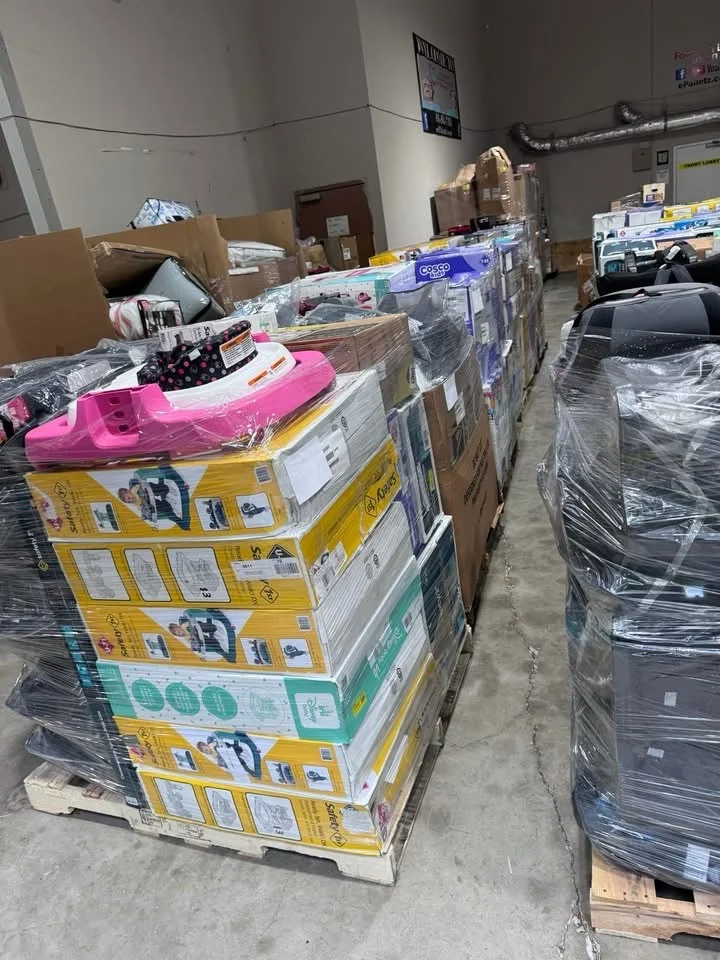
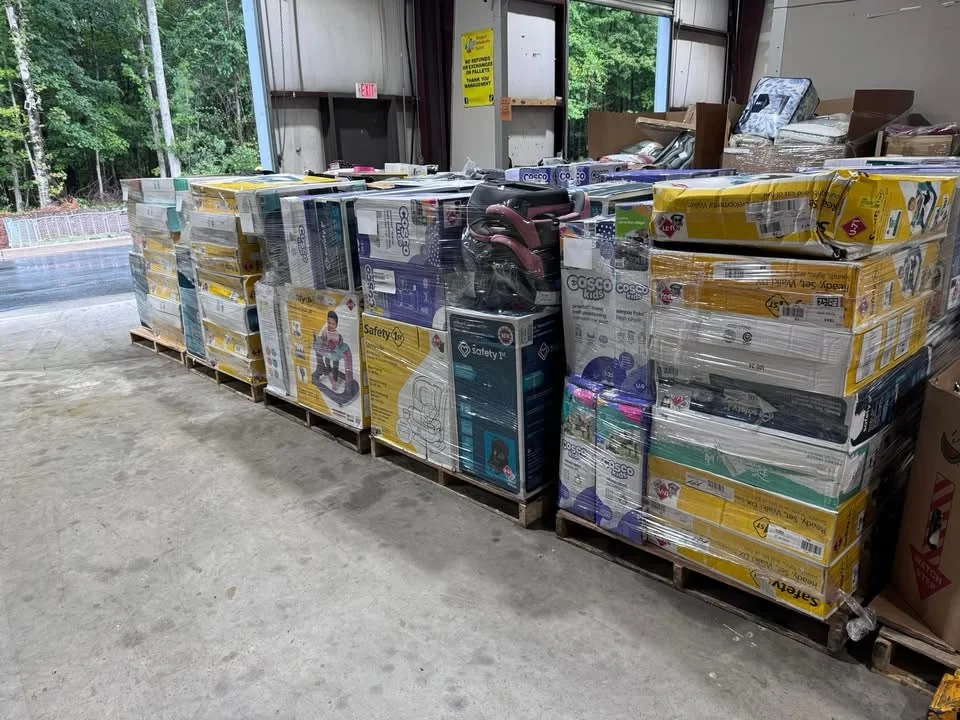
A standard liquidation or overstock pallet is a tightly wrapped wooden platform measuring 48″ x 40″, typically stacked between 4 to 6 feet high. When dealing specifically with children’s apparel, a single pallet can contain anywhere from 300 to over 1,000 individual items, depending on whether the load consists of bulky winter outerwear or lightweight summer onesies.
Retailers consolidate these goods when clear-outs happen at the end of a seasonal cycle or when distribution centers face overstock pressures.
Understanding Item Densities and Manifests
Sellers must distinguish between manifested and unmanifested loads:
- Manifested Pallets: These come with a line-by-line digital spreadsheet detailing the brand, item type, estimated original retail value, and quantity.
- Unmanifested Pallets: These are sold as blind mystery lots at a steeper discount. While riskier, they frequently contain hidden gems that yield significantly higher profit margins for experienced sorters.
Category Breakdown: What is Inside the Load?
When your shipment arrives at your warehouse, unboxing it reveals a wide spectrum of functional children’s wear. A high-yield mixed baby pallets program generally breaks down into four primary textile pillars.
1. Essential Layette and Sleepwear
The foundation of any infant apparel load consists of everyday essentials. These items experience the highest turnover rate in retail stores because infants wear them around the clock.
- Bodysuits and Onesies: Expect both short-sleeve and long-sleeve variations, typically bundled in multi-packs or sorted as single pieces.
- Sleep and Plays: Zippered or snapped footed pajamas manufactured from breathable cotton or flame-resistant fleece.
- Swaddles and Sleep Sacks: Wearable blankets designed for newborn sleep safety.
2. Playwear and Daywear Sets
This category contains highly marketable items that command excellent individual resale prices on platforms like eBay, Poshmark, and Facebook Marketplace.
- Two-Piece Coordinated Sets: Matching top-and-bottom combinations for infants and toddlers.
- Denim and Leggings: Miniature jeans, overalls, and stretch trousers built with elastic waistbands for comfort.
- Graphic Tees and Hoodies: Seasonal tops featuring popular prints, characters, or slogans.
3. Outerwear and Seasonal Apparel
While lower in total piece count due to their physical volume, heavy winter items carry the highest individual Manufacturer’s Suggested Retail Prices (MSRP).
- Puffer Jackets and Snowsuits: Heavily insulated garments designed for sub-zero protection.
- Cardigans and Light Jackets: Denim jackets, windbreakers, and knit sweaters perfect for transitional spring or autumn weather.
- Swimwear: UV-protected rash guards, swim trunks, and one-piece infant swimsuits.
4. Accessories and Footwear
Accessories fill the small gaps within a tightly packed pallet box. They are excellent for creating low-cost impulse buy displays near your checkout counter.
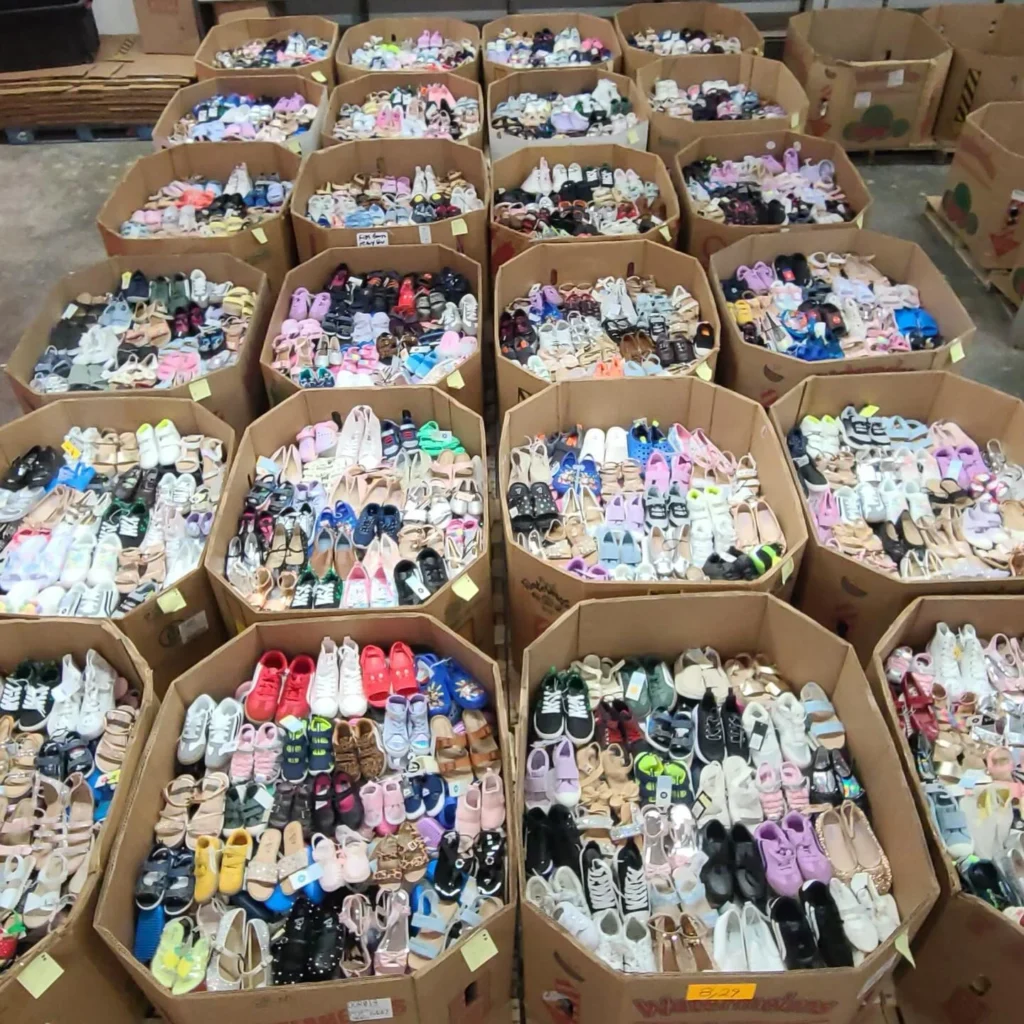
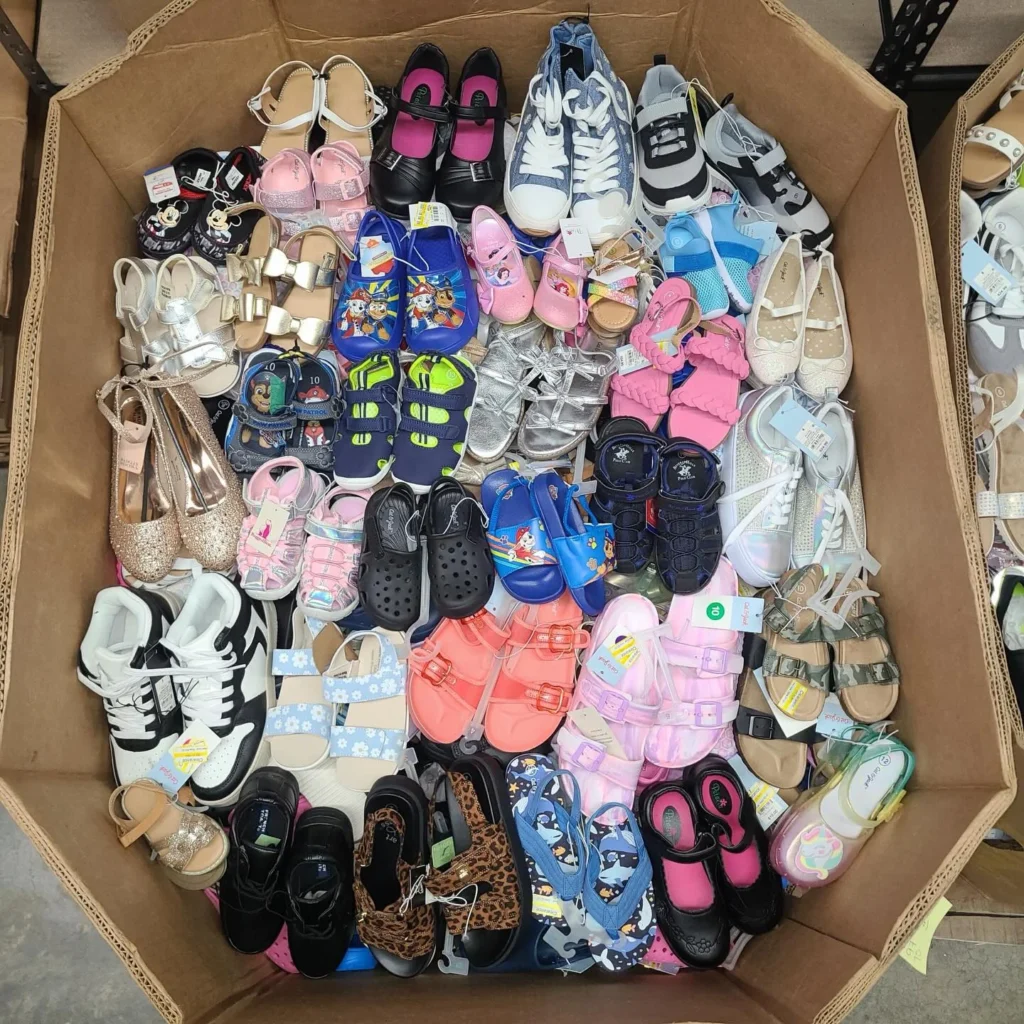
- Socks and Booties: Multi-packs of infant socks, scratch mittens, and soft-soled crib shoes.
- Bibs and Burp Cloths: Absorbent cotton or silicone feeding accessories.
- Hats and Beanies: Sun-protection bucket hats and warm winter knit caps.
Inventory Condition: From Brand New to Store Returns
The financial viability of your baby clothing pallets depends heavily on the grading of the inventory inside. Liquidation stock is categorized into three distinct tiers based on its supply chain origin.
+-------------------------------------------------------------------+
|                     LIQUIDATION INVENTORY TIERS                   |
+-----------------------------------+-------------------------------+
| NWT (New With Tags)               | Best condition, highest MSRP  |
+-----------------------------------+-------------------------------+
| Shelf Pulls                       | Unsold stock, minor box wear  |
+-----------------------------------+-------------------------------+
| Customer Returns                  | Opened packs, needs sorting   |
+-----------------------------------+-------------------------------+
New With Tags (NWT) & Shelf Pulls
These items are the gold standard of liquidation. They represent unsold store inventory that was removed from shelves to make room for incoming seasonal lines. The clothing is pristine, crisp, and retains its original manufacturer tags. Resellers can typically price NWT items at 60% to 80% of their original retail value, ensuring a swift and highly profitable turnaround. Baby clothing pallets
Customer Returns and Open-Box Batches
Customer returns require more hands-on processing but cost a fraction of the price of shelf pulls. Within this segment of a baby pallet inventory, you will encounter items returned by parents due to sizing errors, duplicate gifts, or online ordering mistakes.
While many items remain completely unworn, some may feature detached tags, wrinkled fabric from shipping, or opened plastic multi-packs that need to be re-sorted into attractive bundles.
Step-by-Step Strategy to Process and Profit from Your Pallet
Succeeding in the liquidation space requires an organized, repeatable framework. Treating a bulk delivery like a loose pile of clothing will bottleneck your operation. Follow this proven logistical pipeline to process your inventory efficiently.
Step 1: Unboxing and Preliminary Sorting
Set up clean, long processing tables in a well-lit workspace. As you break the shrink wrap on your baby clothing pallet, sort items immediately into large canvas bins based on age brackets:
- Newborn to 6 Months
- 6 to 12 Months
- 12 to 24 Months
- 2T to 5T (Toddler sizes)
Step 2: Quality Control Grading
Inspect each garment under high-quality lighting. Check zippers, snaps, and seams to ensure total structural integrity. Grade the items into three categories:
- Grade A (Pristine): Perfect condition with original store tags. Ready for top-dollar individual listing.
- Grade B (Minor Irregularities): Missing hangtags or wrinkled, but unblemished. Ideal for discount racks or online bundling.
- Grade C (Flawed): Missing snaps or displaying minor manufacturing dust. Set these aside to wash or sell as deep-discount clearance lots. Baby liquidation pallets
Step 3: Preparing the Garments for Retail Display
Presentation directly influences your perceived value. Use a commercial-grade fabric steamer to instantly remove wrinkles from high-end dresses, jackets, and sets. If a premium item has a loose thread, trim it neatly. For items that arrived in torn plastic packaging, repackage them in clean, clear poly bags with visible size labels to assure customers of their cleanliness.
Step 4: Data-Driven Pricing Architecture
Implement a clear strategy based on your cost per piece. To calculate your cost per item, use this straightforward formula:
If your average cost per piece figures out to $1.50, pricing a basic onesie at $5.00 and a premium winter jacket at $25.00 secures excellent profit margins while offering your customers an undeniable bargain compared to traditional retail outlets.
Diversifying Your Wholesale Sourcing Strategy
Relying on a single product type can limit your business growth. Successful liquidation entrepreneurs constantly diversify their warehouse stock to create a comprehensive shopping experience for their buyers.
Expanding Into Complementary Product Lines
When your apparel store or online storefront gains traction, integration is key. Sourcing a high-quality baby clothes pallets shipment alongside a dedicated baby diapers pallets delivery creates an efficient cross-selling environment. Parents who visit your shop to purchase affordable playwear will happily add bulk diapers, wipes, and infant formula to their carts, increasing your average order value (AOV) significantly.
Industry Insights: What the Data Says About Children’s Overstock
Statistical analysis of global supply chain management shows that major retail store chains experience a steady 10% to 12% return and overstock rate on kids’ clothing lines annually. This consistent surplus is driven by fast-moving fashion trends and the rigid timeline of seasonal retail transitions. Baby pallet inventory
Because children grow rapidly, items that do not sell within a specific three-month window become instantly obsolete for big-box department stores, forcing them to liquidate premium stock at pennies on the dollar to clear valuable warehouse floor space.
Real-World Case Study: From Single Pallet to Dedicated Storefront
Consider the operational trajectory of a home-based reseller in Ohio. She began her e-commerce business by investing an initial $950 into a single, high-grade unmanifested selection of baby liquidation pallets.
+-------------------------------------------------------------------+
|                    FIRST PALLET FINANCIAL SUMMARY                 |
+-----------------------------------+-------------------------------+
| Initial Investment                | $950 (Pallet + Freight)       |
+-----------------------------------+-------------------------------+
| Total Usable Items Unboxed        | 620 units                     |
+-----------------------------------+-------------------------------+
| Average Cost Per Item             | $1.53                         |
+-----------------------------------+-------------------------------+
| Total Gross Resale Revenue        | $3,410                        |
+-----------------------------------+-------------------------------+
| Net Profit Reinvested             | $2,460                        |
+-----------------------------------+-------------------------------+
By meticulously sorting her inventory, steam-ironing the mid-tier garments, and cross-listing the NWT items across both Poshmark and Facebook Marketplace, she flipped the entire batch within 45 days. She reinvested her net profits directly into purchasing a multi-pallet LTL (Less-Than-Truckload) shipment, eventually scaling her business from a spare bedroom into a commercial brick-and-mortar discount boutique within eighteen months.
Conclusion: Is Sourcing Baby Clothing Pallets Right for You?
Investing in wholesale baby clothing pallets offers a reliable, low-risk entry point into the lucrative world of product liquidation and retail arbitrage. The high piece density per pallet keeps your average unit cost incredibly low, protecting your downside risk while leaving significant room for strong resale margins. By partnering with legitimate suppliers, carefully sorting your stock by size and condition, and pricing items competitively, you can turn raw wholesale lots into a highly profitable, scalable retail enterprise.
Q1: How many items normally come inside a standard wholesale baby apparel pallet?
A: A standard pallet generally contains between 300 and 1,000 individual items. The exact number depends on the specific age range and season of the load. Winter pallets featuring bulky coats and snowsuits have a lower item count, while summer pallets packed with lightweight cotton onesies and shorts have a much higher piece count.
Q2: What brands can I expect to find in these children’s liquidation loads?
A: Brands depend heavily on the specific department store or online retailer the pallet was sourced from. Common brands found in major US liquidation lots include Cat & Jack, Carter’s, OshKosh B’gosh, Gerber, Gerber Organic, Old Navy, and Nike Kids, alongside premium department store private labels.
Q3: Are all items inside a liquidation clothing pallet clean and wearable?
A: The vast majority of items in overstock or shelf-pull pallets are brand new, clean, and in retail-ready condition. For pallets containing customer returns, a small percentage (typically 5% to 10%) may show minor handling wear, dust from transit, or detached retail tags, which can be easily resolved through sorting and steaming.
Q4: Do I need a formal retail business license to purchase wholesale pallets?
A: This depends entirely on the liquidation supplier and your location. While some wholesale platforms require a valid state resale certificate or business license to waive sales tax, many liquidation distributors sell directly to public buyers, flea market vendors, and home-based online hobbyists.
Q5: How do I accurately calculate shipping costs for a heavy clothing pallet?
A: Inbound freight shipping costs are calculated based on the total weight of the pallet, the height of the stack, and the distance between the distribution warehouse and your delivery address. To minimize freight costs, look for suppliers offering flat-rate regional shipping or look into local warehouse pickup options.
Q6: What are the absolute best platforms to resell bulk baby clothing for a high profit?
A: For premium, Name-Brand New With Tags (NWT) items, online platforms like eBay, Poshmark, and Mercari yield the highest individual prices. For rapid inventory turnover without online shipping fees, local options like Facebook Marketplace, community yard sales, and renting a booth at a local indoor flea market are highly effective strategies.