If you are asking yourself are sneaker pallets worth it, the short answer is yes — but only when you understand what you are buying and how to resell properly.
Sneaker liquidation pallets have become one of the fastest-growing categories in the resale industry because shoes are always in demand. From athletic sneakers and casual footwear to branded shoes and mixed inventory loads, many resellers use sneaker pallets to build profitable businesses.
However, profits are not automatic. Some buyers make thousands from a single load while others lose money because they buy poor-quality inventory or pay too much. This guide explains exactly how sneaker pallets work, their advantages, risks, costs, profit margins, and whether investing in shoe pallets makes sense for your business.
What Are Sneaker Pallets?
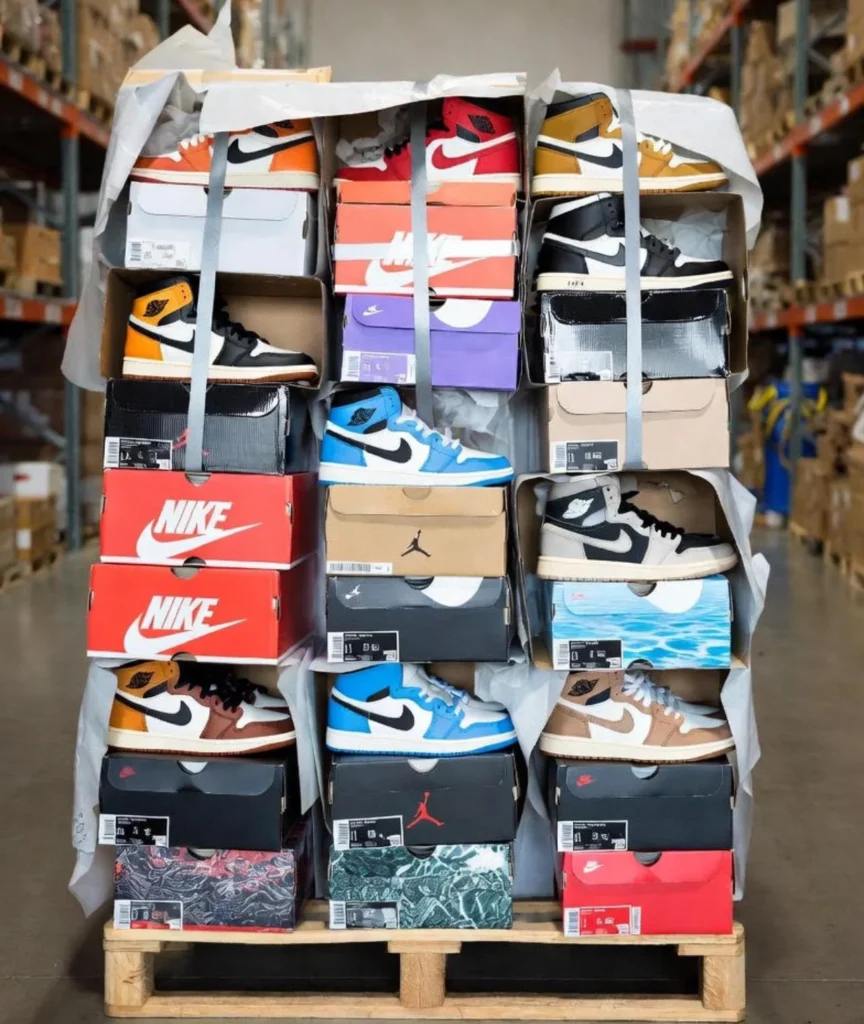
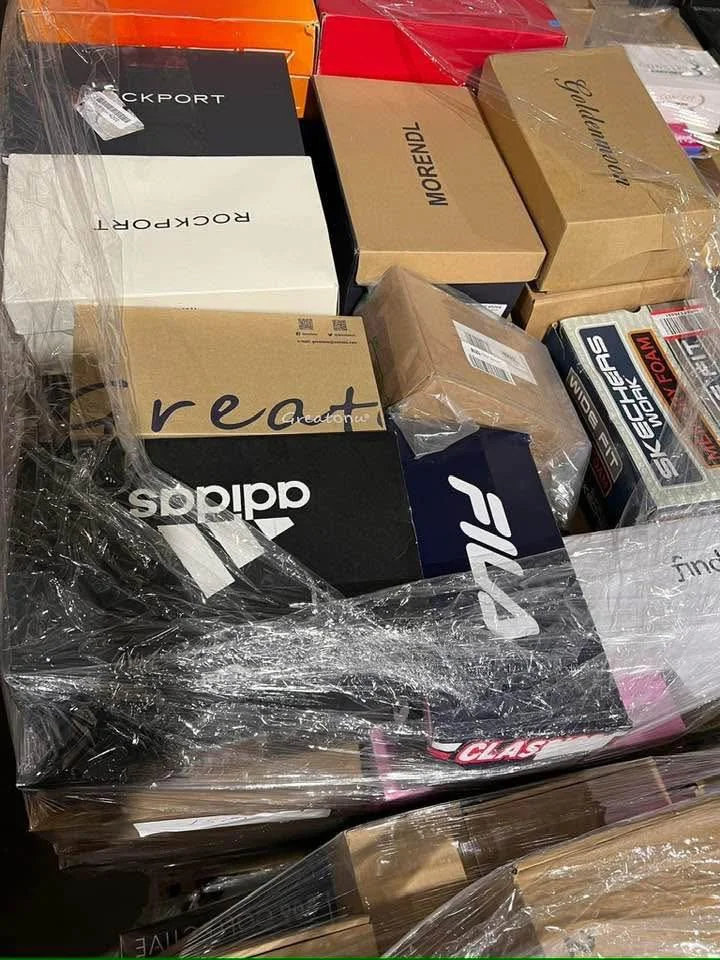
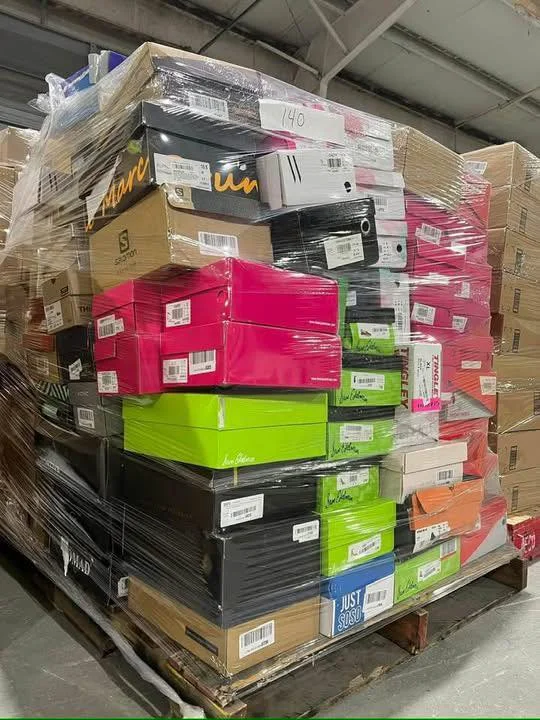
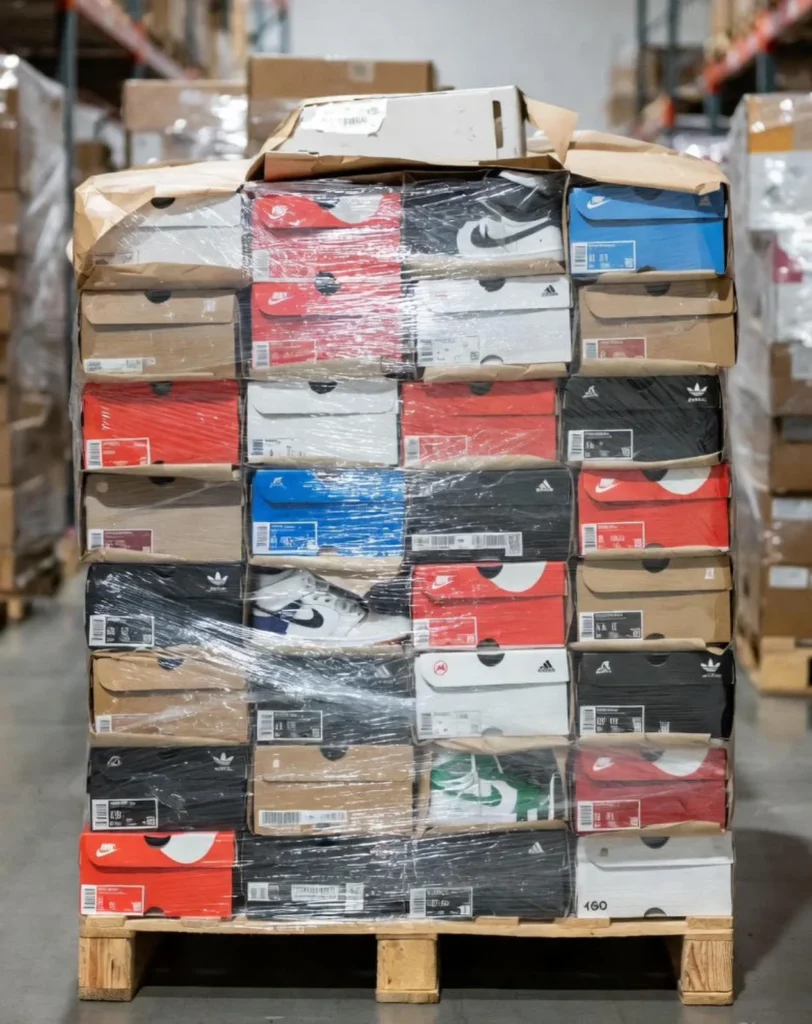
Sneaker pallets are bulk loads of footwear sold together, usually sourced from:
- Customer returns
- Overstock inventory
- Shelf pulls
- Excess retail stock
- Liquidation inventory
- Seasonal inventory clearances
Most pallets contain mixed brands, sizes, colors, and conditions.
Examples include:
- Athletic sneakers
- Running shoes
- Casual footwear
- Men’s shoes
- Women’s shoes
- Kids footwear
- Brand-name sneakers
Many buyers purchase mixed inventory such as these:
- Shoes and sneaker liquidation loads available here
- Mixed sneaker inventory examples
- Women’s shoe inventory examples
Why Sneaker Pallets Are Popular Among Resellers
Shoes are among the easiest products to resell because they solve several resale problems.
High Consumer Demand
Footwear is a repeat purchase category.
People continuously buy:
- Running shoes
- School shoes
- Fashion sneakers
- Work shoes
- Kids footwear
Unlike niche products, shoes have year-round demand.
Strong Profit Margins
A pallet purchased for several hundred dollars can produce significantly higher resale value when inventory quality is good.
Common selling channels include:
- Local marketplaces
- Facebook groups
- Ecommerce stores
- Flea markets
- Retail stores
- Export businesses
Easy To Split Inventory
Unlike furniture or large appliances, footwear inventory is easier to:
- Sort
- Photograph
- Store
- Ship
- List online
This makes scaling easier.
Are Sneaker Pallets Worth It Financially?
The answer depends on four major factors.
1. Purchase Price
Lower acquisition costs create higher margins.
A pallet costing:
$500 with 800 pairs provides much better margins than a pallet costing $1,200 with similar inventory.
2. Inventory Quality
Inventory condition dramatically affects profits.
Common categories include:
New Inventory
Highest value.
Shelf Pulls
Usually excellent margins.
Customer Returns
Can be profitable but require testing.
Mixed Condition Loads
Higher risk.
3. Brand Mix
Branded footwear generally sells faster.
Unknown brands often move slower.
4. Selling Method
Your profit changes depending on where you sell.
Example:
Selling locally:
- Lower fees
- Faster cash flow
Selling online:
- Larger customer base
- Higher platform fees
Typical Profit Margins From Shoe Pallets For Resale
Profit varies widely.
Example calculation:
Pallet Cost:
$700
Pairs:
200 pairs
Average resale price:
$12 per pair
Gross Revenue:
$2,400
Estimated expenses:
- Shipping
- Storage
- Packaging
- Marketplace fees
Potential net profits may remain attractive if inventory quality is strong.
This is why many people enter the shoe pallets for resale market.
The Biggest Risks Buyers Ignore
Many new buyers focus only on potential profits.
Experienced resellers focus on risks.
Hidden Damage
Some inventory contains:
- Missing pairs
- Damaged packaging
- Incorrect sizing
- Heavy wear
Poor Supplier Selection
Not all liquidation companies provide reliable manifests or quality inventory.
Storage Problems
Shoes occupy more space than many beginners expect.
Cash Flow Delays
Inventory may take weeks or months to fully sell.
How To Buy Sneaker Pallets Correctly
Follow this process.
Step 1: Define Your Buyer Market
Ask:
Who are you selling to?
Examples:
- Local families
- Sneaker collectors
- Budget shoppers
- Export customers
Step 2: Understand Pallet Types
Choose between:
- Mixed inventory
- Athletic only
- Women’s shoes
- Kids footwear
- Branded sneakers
Step 3: Calculate Maximum Purchase Price
Never buy based on emotion.
Calculate:
Expected Revenue
Minus:
- Shipping
- Storage
- Fees
- Labor
Your remaining number determines your buying limit.
Step 4: Start Small
Do not buy truckloads immediately.
Start with:
- Single pallets
- Small mixed loads
- Test inventory
Building A Sneaker Pallet Business
Many successful resellers eventually create a full sneaker pallet business.
Growth usually follows this pattern:
Beginner Stage
- Buy one pallet
- Learn sorting
- Learn pricing
Intermediate Stage
- Buy multiple pallets
- Create repeat customers
- Improve margins
Scaling Stage
- Truckloads
- Wholesale buyers
- Ecommerce operations
You can learn more about starting operations here:
Which Sneaker Pallets Usually Perform Best?
Generally, these categories sell faster:
Mixed Sneakers
Advantages:
- Wider audience
- Diverse inventory
- Easier turnover
Athletic Footwear
Strong demand.
Women’s Footwear
Often higher inventory movement.
Branded Shoes
Usually easier to price.
Examples of mixed inventory options:
Expert Recommendation For First-Time Buyers
After reviewing hundreds of reseller operations, one pattern appears repeatedly:
Buyers who succeed focus more on inventory quality than pallet quantity.
New buyers should:
- Buy smaller loads first
- Track profit carefully
- Build repeat customers
- Learn pricing before scaling
The most successful resellers rarely buy blindly.
Real-World Example
Consider two buyers.
Buyer A:
- Purchases cheapest pallet available
- No research
- Unknown inventory
Buyer B:
- Researches supplier
- Understands categories
- Calculates margins
Buyer B almost always performs better.
Liquidation success depends more on buying strategy than luck.
You can also explore additional profitable resale categories here:
Are Sneaker Pallets Worth It For Beginners?
Yes — when expectations are realistic.
Sneaker pallets work best for people who:
- Understand resale basics
- Have storage space
- Can sort inventory
- Are willing to learn pricing
They work poorly for buyers expecting instant profits.
Conclusion: Are Sneaker Pallets Worth It?
So, are sneaker pallets worth it?
For many resellers, yes.
The combination of strong demand, flexible selling options, and scalable inventory makes sneakers one of the more attractive liquidation categories.
However, profitability depends heavily on:
- Buying correctly
- Choosing quality suppliers
- Understanding your customers
- Managing costs
If approached properly, sneaker pallets can become a profitable side hustle or even a full sneaker pallet business.
The buyers who succeed are usually the ones who treat liquidation as a business rather than a gamble.
Are sneaker pallets worth it for beginners?
Yes. Beginners can profit if they start small, learn pricing, and avoid buying inventory blindly.
How much profit can you make from sneaker pallets?
Profit varies depending on inventory quality, purchase cost, and selling method.
What are the best shoe pallets for resale?
Mixed sneakers, athletic footwear, branded shoes, and women’s footwear generally perform well.
How many pairs come in sneaker pallets?
It depends on pallet size and supplier. Quantities can range from dozens to hundreds of pairs.
Is starting a sneaker pallet business profitable?
A sneaker pallet business can be profitable when inventory costs, storage, and resale channels are managed correctly.
Where can I buy sneaker pallets?
Buy from liquidation companies, wholesalers, and suppliers specializing in footwear inventory.