For e-commerce entrepreneurs, boutique store owners, and flea market vendors looking to build a high-margin retail business, learning how to buy baby pallets is one of the most profitable decisions you can make. The juvenile products market is inherently resilient; parents continuously buy clothing, gear, and daily essentials as children outgrow them. When major retail chains experience overstock situations, shelf pulls, or customer returns, they consolidate this inventory into wholesale lots. Buying these bulk lots allows smart resellers to acquire premium inventory at pennies on the retail dollar.
Navigating the liquidation industry requires strategy, technical knowledge, and an understanding of supply chains. Without a clear plan, beginners can easily lose money on broken items, missing parts, or unmarketable goods. This comprehensive guide breaks down the exact steps, math, and sourcing strategies needed to safely acquire high-quality wholesale inventory, manage logistics, and maximize return on investment (ROI). Buy baby pallets
The Economics of the Baby Product Resale Market
Before investing capital into inventory, you must understand why baby merchandise liquidations exist and how the pricing structures operate. Retailers like Target, Walmart, and Amazon operate on strict inventory turnover schedules. When a product line changes season, or when a customer returns a high-end stroller because they preferred a different color, the retailer frequently finds it more cost-effective to liquidate the item rather than process, re-tag, and re-shelve it.
This operational reality creates an arbitrage opportunity for independent sellers. Liquidation inventory is typically sold by the pallet or truckload at 10% to 20% of its original Manufacturer’s Suggested Retail Price (MSRP).
The Core Inventory Categories
When sourcing bulk lots, the merchandise generally falls into four distinct condition categories:
- Shelf Pulls: These are brand-new items that were displayed on retail shelves but never purchased. They are removed to make room for new seasonal stock. Expect intact original retail packaging, minimal exterior wear, and 100% functionality. This is the highest grade of liquidation inventory.
- Overstock (Closeouts): Excess warehouse inventory that never made it to the retail sales floor. These items are typically case-packed, completely immaculate, and identical to what you would buy directly from a primary distributor.
- Customer Returns: Items purchased and returned by consumers. Reasons for returns vary wildly—ranging from “changed mind” and “gift duplication” to actual hardware defects. These lots present higher risks but carry the deepest wholesale discounts.
- Salvage: Heavily damaged, broken, or incomplete items. Salvage lots should be avoided by beginners, as they require extensive repair, part harvesting, or testing to salvage any retail value.
Step 1: Identify Your Niche Within Baby Liquidation Pallets
The baby product category is vast, ranging from disposable commodities to high-tech electronic nursery gear. To scale successfully, you should align your sourcing with your specific storage capacity, processing capabilities, and chosen sales channels. Focusing your efforts on specialized baby liquidation pallets will help you build a targeted customer base and streamline your sorting workflows.
[Sourcing Strategy]
       │
       ├──► Consumables (Diapers, Wipes) ──► High Volume, Fast Turnover, Lower Margins
       │
       ├──► Apparel (Onesies, Pajamas)  ──► Low Storage Space, High Margins, High Sorting Time
       │
       └──► Hard Goods (Strollers, Cribs) ─► High Storage Space, High Ticket, Testing Required
High-Volume Consumables
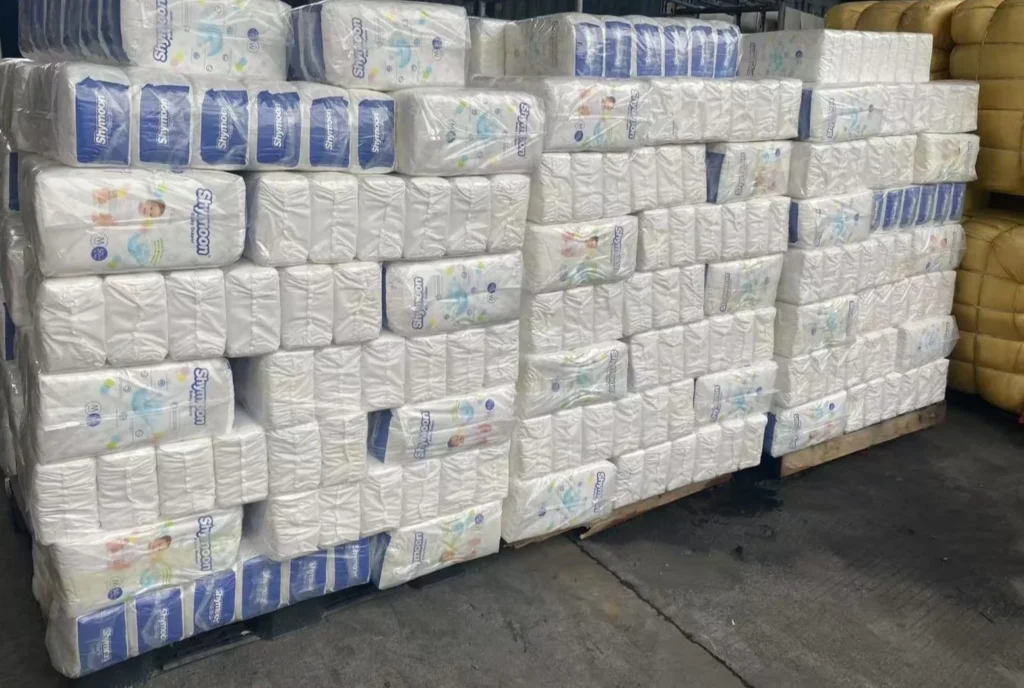
Diapers, training pants, and baby wipes are non-cyclical, recession-proof necessities. Parents must buy them continuously regardless of economic conditions. Sourcing a dedicated baby diapers pallets load provides you with high-volume, predictable merchandise. These items are incredibly easy to list and sell locally or online because they require zero mechanical testing, detailing, or complex grading. The packaging condition is your primary metric; as long as the internal product seals are intact, consumables move incredibly fast. Baby liquidation pallets
Apparel and Soft Goods
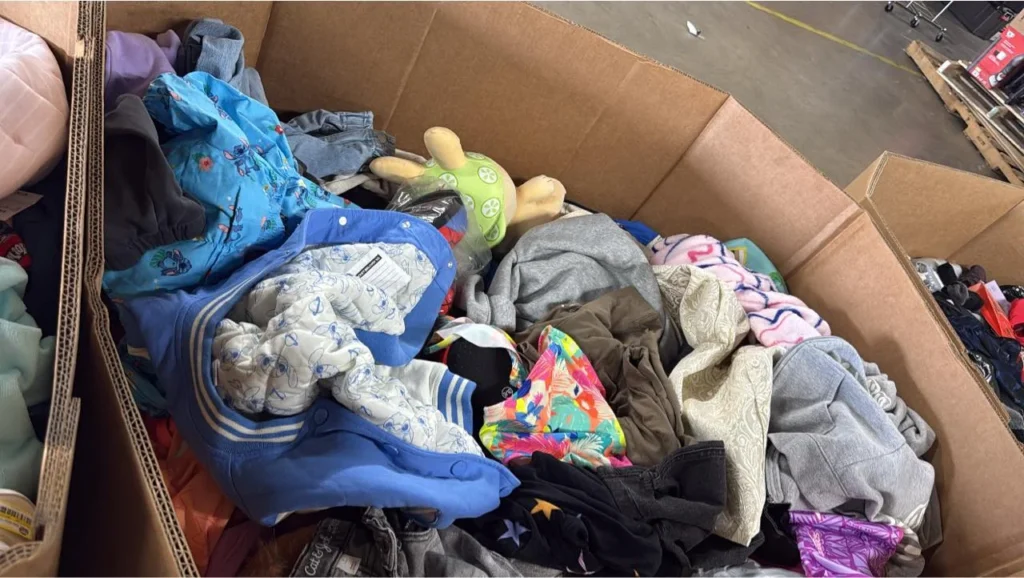
Baby clothing is a highly lucrative category for resellers with limited warehouse space. Infants outgrow clothing sizes every few months, creating a permanent cycle of demand. Buying a focused baby clothing pallet gives you access to thousands of individual pieces—such as onesies, sleepers, rompers, and outerwear—at a tiny per-unit cost.
Because baby clothing is lightweight, your incoming freight costs per item are minimal, and your outgoing shipping costs to retail customers remain low. This maximizes your net margins on platforms like eBay, Poshmark, and Vinted. For a diverse cross-section of brands, styles, and seasonal items, many successful operations utilize a structured mixed baby pallets program to maintain an evergreen online storefront.
Hard Goods and Nursery Gear
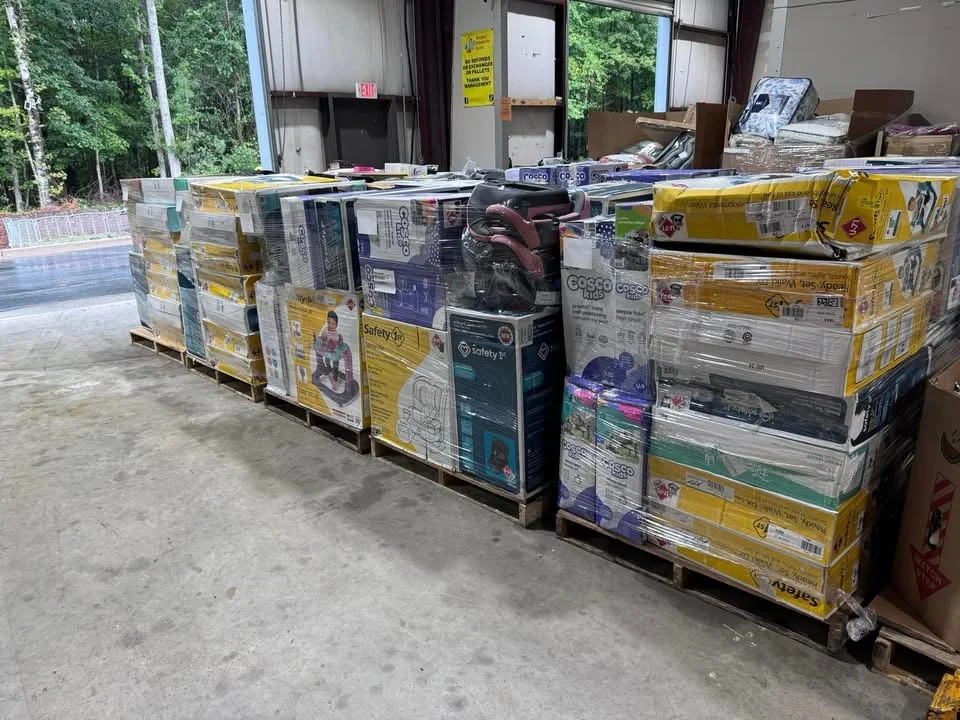
This category includes high-ticket items such as car seats, travel systems, strollers, high chairs, motorized swings, and video baby monitors. While these products require significant storage square footage and thorough safety inspections, they offer the highest absolute dollar profit per flip. A single premium double-stroller acquired for $40 out of a liquidation lot can easily resell used or open-box for $200 to $300.
Step 2: Choose the Right Pallet Configuration
When buying wholesale lots, you will choose between two primary administrative formats: manifested lots and unmanifested lots. Your choice directly dictates your financial risk profile and the amount of processing labor required.
Manifested Pallets
A manifest is an itemized spreadsheet generated by the liquidation facility or primary retailer. It details exactly what is on the pallet, including:
- The Universal Product Code (UPC) or Amazon Standard Identification Number (ASIN)
- The brand name and precise product description
- The quantity of each item
- The original retail price (MSRP)
- The calculated wholesale cost based on a percentage of MSRP
Evaluating a manifest allows you to calculate your gross potential revenue before spending a single dollar. You can research current historical selling prices on eBay or Amazon for the specific items listed, factor in your shipping costs, and determine your exact projected net profit margin. Manifested lots carry a premium wholesale price tag, but they virtually eliminate the risk of buying a “dud” pallet.
Unmanifested Pallets
Unmanifested lots are sold completely “blind.” You are provided with a general category description (e.g., “Assorted Target Baby Hard Goods”) and a total pallet weight or height estimate, but no itemized list exists.
While unmanifested pallets require a high tolerance for risk, they are sold at the absolute lowest wholesale rates. This format is where experienced resellers often find “home run” items—such as high-end, factory-sealed smart bassinets or premium travel systems hidden beneath lower-value items. If you have a well-established local liquidation store or a high-volume flea market setup that can absorb a wide variety of miscellaneous items, unmanifested lots offer incredible ROI potential.
Step 3: Source from Verified, Legitimate Liquidation Suppliers
The secondary market can be difficult to navigate for the uninitiated. The internet contains numerous broker websites that act as unnecessary middlemen, inflating wholesale prices or misrepresenting the quality of their lots. To build a sustainable business, you must source directly from established, tier-one liquidation facilities with physical assets, real warehouses, and transparent corporate track records.
| Supplier Criteria | Verified Top-Tier Liquidator | High-Risk Broker / Scammer |
| Physical Location | Has a verifiable brick-and-mortar warehouse you can inspect. | Uses stock photos; refuses to provide a physical address. |
| Payment Protocol | Accepts secure bank wire transfers or credit cards. | Demands untraceable payments (Apps, crypto, gift cards). |
| Manifest Integrity | Provides matching UPC codes and detailed item conditions. | Uses vague descriptions like “High value mixed items.” |
| Freight Coordination | Offers real freight carrier options with tracking details. | Quotes impossibly low flat-rate shipping costs. |
When analyzing potential wholesale vendors, look for established companies like Prime Source Pallets, which consistently manage direct store-contract cleanouts. Sourcing through structured programs like their baby clothes pallets line ensures you are receiving clean, unsearched inventory directly from retail supply chains, bypassing brokers who cherry-pick the best items before passing the remainder down the line.
Step 4: Master the Logistics of Freight Shipping
A common mistake made by new wholesale buyers is failing to accurately calculate the cost of freight logistics. A pallet may seem like an incredible deal at $350, but if you fail to account for shipping costs, a $400 freight bill can instantly wipe out your projected profit margins.
Accessorial Fees to Anticipate
Freight carriers operate large semi-trucks (53-foot dry vans) that require specific infrastructure to unload. If your delivery location deviates from a standard commercial warehouse setup, carriers assess add-on fees known as accessorials:
- Liftgate Service: If your delivery location does not have a raised loading dock or a forklift to lift the pallet out of the back of the semi-truck, you must request a truck equipped with a hydraulic liftgate. This typically adds $50 to $100 to your freight invoice.
- Residential Delivery Fee: Navigating a semi-truck through tight residential neighborhoods requires extra driver time and specialized routing. Freight lines charge a premium ($75–$150) for residential drop-offs.
- Limited Access Fees: Schools, churches, storage units, and military bases are classified as limited-access areas and incur extra charges.
Mitigating Logistics Costs
To optimize your supply chain efficiency, consider these professional shipping strategies:
- Terminal Pickup: Instead of paying for residential delivery and liftgate services, have the freight carrier hold your pallet at their nearest local distribution terminal. You can drive to the terminal with a pickup truck or a utility trailer, and the terminal staff will load the pallet directly into your vehicle using their forklift for free.
- Consolidated Truckloads: If you have the storage square footage, purchasing a full truckload (typically 24 to 26 pallets) dramatically reduces your per-pallet shipping cost compared to ordering single Less-Than-Truckload (LTL) shipments.
Step 5: Establish an Efficient Inventory Processing Workflow
Once your wholesale lot arrives at your workspace, your operational velocity—how fast you turn raw inventory into cash—determines your long-term success. You must treat inventory processing as an organized assembly line.
Incoming Pallet ──► Unstrap & Unwrap ──► Safety Inspection ──► Cleaning & Detailing ──► Multi-Channel Listing
The Inspection Protocol
Baby products require a highly rigorous inspection process due to strict safety standards. Your processing workflow must follow these precise steps:
- Safety and Recall Audits: Before listing any hard good (especially car seats, cribs, or high chairs), check the Consumer Product Safety Commission (CPSC) database using the item’s model number and manufacture date stamp. Selling recalled baby items is illegal and unethical. Ensure car seats have never been involved in an automobile accident and have not passed their manufacturer expiration date.
- Completeness Verification: Open box items must be checked for missing hardware, brackets, straps, or user manuals. If a premium stroller is missing a front wheel, you must source a replacement part online or discount the item heavily as an “open-box, incomplete” unit.
- Sanitization and Presentation: Presentation is everything. Wipe down hard goods with non-toxic, child-safe sanitizing cleaners. For apparel items, use a commercial fabric steamer to remove wrinkles from crushed pallet packing and ensure items are free of lint or dust. High-quality presentation allows you to demand top-of-market pricing.
Step 6: Optimize Your Sales Channels for Maximum Turnover
To maximize your revenue, do not rely on a single sales platform. Implement a diversified multi-channel sales strategy tailored to the specific types of inventory within your pallets.
Local Sales Channels
Local marketplaces are outstanding for large, heavy items like cribs, travel systems, and changing tables because they completely eliminate outgoing shipping costs.
- Facebook Marketplace & local buy/sell groups: Highly effective for targeting local parents who want to buy high-end brands without paying retail prices.
- Flea Markets & Pop-Up Consignment Events: Perfect for moving high volumes of lower-ticket items like clothes, toys, and small nursery accessories quickly.
Online E-Commerce Platforms
Online storefronts give you access to a nationwide audience, allowing you to secure higher prices for rare, collectible, or specialized baby merchandise.
- eBay: The gold standard for open-box electronics, baby monitors, replacement stroller parts, and bundled clothing lots.
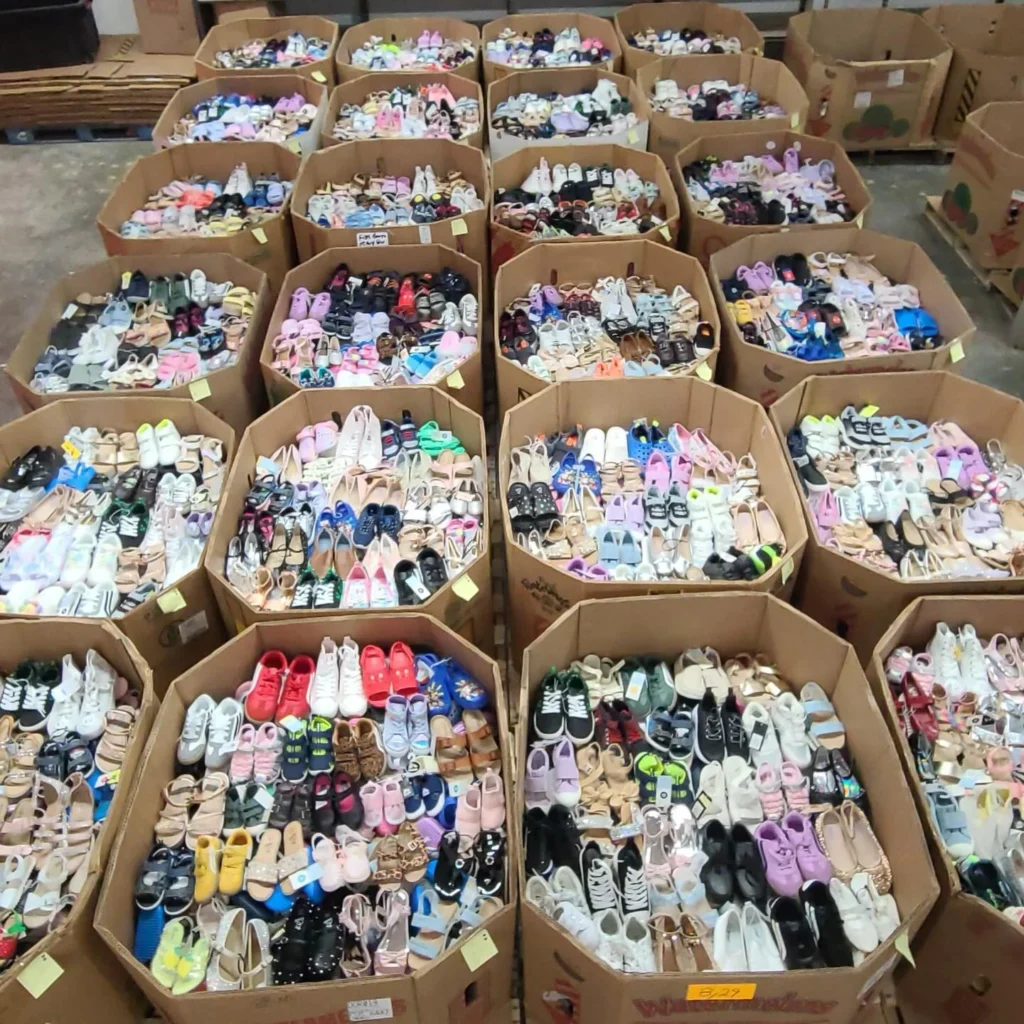
- Poshmark and Mercari: Exceptional platforms for designer or name-brand baby clothing items, shoes, and lightweight accessories.
Expert Case Study: Scaling from a Single Garage Pallet to a Commercial Warehouse
To see these principles in action, look at the real-world operational trajectory of an independent liquidation firm based out of Columbus, Ohio. The founders started their business with an initial capital investment of $1,200.
The Launch Phase
For their initial order, they avoided the temptation of high-risk, unmanifested “mystery boxes” and instead chose a manifested, high-piece-count selection from a certified wholesale baby pallets distributor. Their first pallet cost $650, with an additional $220 allocated for terminal-pickup freight logistics. The load contained 410 pieces of brand-name infant apparel, sleepwear, and basic soft goods.
Initial Investment: $1,200
  ├── Pallet Cost:  $650
  ├── Freight:      $220
  └── Supplies:     $50
  ──────────────────────
  Remaining Cash:   $280
Processing and Execution
The owners dedicated one weekend to sorting, grading, and steaming the apparel.
- They discovered that 92% of the inventory was in pristine, New-With-Tags (NWT) condition.
- The remaining 8% consisted of minor customer returns with damaged packaging or light dust smudges from transit.
Instead of listing all 410 items individually—which would have created a massive logistical bottleneck—they deployed a tiered listing strategy. Premium, high-demand outerwear and sleepwear sets were cross-listed on eBay and Poshmark to capture maximum online retail margins. The baseline everyday items, such as standard onesies and plain receiving blankets, were sorted by size, bundled into cohesive “instant wardrobe starter packs” of 10 to 15 items, and sold across local Facebook parenting groups.
Financial Results and Scaling
Within 45 days of intense operational focus, the entire inventory from the initial pallet was completely liquidated.
- Total Gross Revenue Generated: $2,840
- Net Profit (After initial cost & platform fees): $1,710
Instead of taking this profit as personal income, the founders consistently executed a classic compounding strategy. They immediately reinvested their entire capital pool back into the supply chain, purchasing a multi-pallet LTL shipment of high-ticket nursery gear and hard goods. Within 18 months of disciplined cash-flow compounding and strict quality control, the business successfully transitioned out of their residential garage and into a dedicated 3,500-square-foot commercial distribution warehouse, running automated logistics pipelines.
Common Sourcing Pitfalls to Avoid
As you scale your wholesale operation, stay vigilant against these common operational mistakes that can drain your cash reserves:
- Over-estimating Manifest Values: Retailers generate manifests based on the original full MSRP. However, an item’s true value is dictated by what consumers are currently paying for it right now on the open market. Always calculate your profit projections based on historical “sold” values on eBay, not the inflated historical MSRP listed on the manifest sheet.
- Ignoring Expiration Dates on Car Seats: Every modern infant car seat has a rigid expiration date molded into its plastic frame (typically 6 to 10 years from the date of manufacture). Plastic degrades over time under thermal stress inside vehicles. Never purchase or resell expired safety equipment.
- Failing to Factor in Your Labor Costs: Sorting a pallet containing 1,000 tiny accessories requires significant hours of work. If a pallet has a low total dollar value, the time spent sorting, cleaning, photographing, and packaging individual items can easily result in a very low hourly return. Make sure your projected profit margins match the actual labor required to process the lot.
Conclusion
Learning how to successfully buy baby pallets for resale is a highly reliable way to launch a lucrative, scalable retail enterprise. By avoiding brokers, conducting disciplined manifest analysis, strictly auditing safety certifications, and diversifying your local and digital sales channels, you can mitigate your operational risks and secure exceptionally strong profit margins. Start with a manageable, high-grade lot of essential goods, perfect your grading workflows, and systematically reinvest your profits to scale from a single pallet into a highly profitable wholesale operation.
1. Are baby products from liquidation pallets safe to resell?
Yes, baby products are safe to resell provided you conduct a thorough quality control audit. You must check every item against the Consumer Product Safety Commission (CPSC) recall database using its manufacturer model number. For safety items like car seats, verify that the item has never been involved in an accident, is completely free of structural wear, and is well within its factory-stamped expiration date.
2. What equipment do I need to process my first pallet?
To process a pallet efficiently at home or in a small warehouse, you will need a basic toolkit: a heavy-duty box cutter to remove pallet wrapping, a digital shipping scale, a measuring tape for calculating freight and shipping dimensions, a commercial fabric steamer to remove wrinkles from clothing, child-safe sanitizing wipes, a smartphone with a high-quality camera for taking product photos, and a printer to generate shipping labels.
3. How much capital do I need to start a baby pallet resale business?
A realistic starting budget for a beginner is between $800 and $1,500. This capital pool is sufficient to cover the wholesale cost of your first high-quality manifested pallet, the freight shipping or terminal pickup costs, basic cleaning and packaging supplies, and initial platform listing fees. Starting with this amount allows you to learn the logistics pipeline without exposing yourself to excessive financial risk.
4. How can I avoid online liquidation scams?
To avoid scams, buy directly from established liquidation companies that own physical warehouses and inventory assets. Never send money via untraceable payment methods like peer-to-peer cash apps, cryptocurrency, or gift cards; legitimate wholesale liquidators accept secure bank wire transfers or standard corporate credit cards. Avoid any supplier who refuses to provide a physical address or detailed manifest data for their premium lots.
5. Do I need a business license or resale certificate to buy liquidation pallets?
While some liquidation brokers sell directly to the general public, top-tier liquidation firms and direct retail recovery networks require a valid state-issued resale certificate or business license. Obtaining a resale certificate is highly beneficial because it exempts you from paying local sales tax on your bulk inventory purchases, allowing you to preserve your working capital for maximum inventory acquisition.
6. Which platforms are best for reselling liquidated baby items?
The ideal platform depends entirely on the size and weight of the specific item. Large, heavy items like strollers, cribs, and nursery furniture sets are best suited for local platforms like Facebook Marketplace, OfferUp, or local consignment sales to avoid high shipping costs. Lightweight items like baby clothing, monitors, and smaller accessories perform exceptionally well on nationwide e-commerce platforms like eBay, Poshmark, and Mercari, where you can secure higher retail market values.